
Mild vs Sharp Cheddar: How Aging Changes Taste and Texture

Introduction
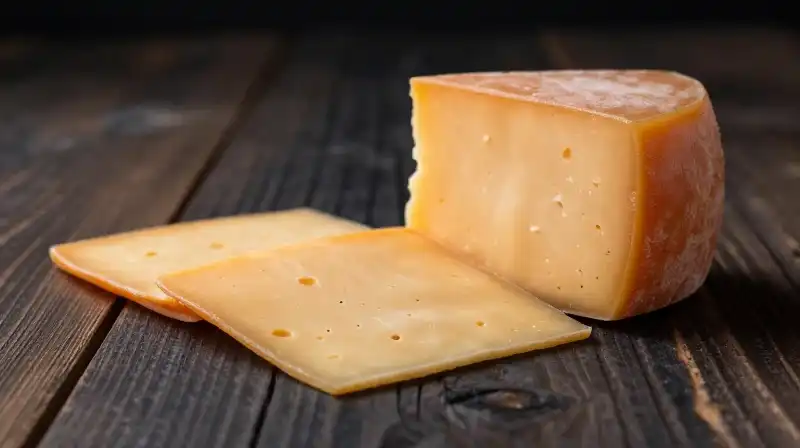
The distinction between mild and sharp cheddar is primarily determined by time—the length of the cheese’s aging process. While both cheeses originate from the same foundational process, the duration of maturation transforms their physical structure, flavor intensity, and complexity. If you are deciding which cheddar to purchase for a recipe or a snack, understanding how mild, medium, and sharp cheddars evolve is key to making the right selection. Simply put, the longer a cheese ages, the sharper, more robust, and drier its profile becomes.
The Science of Flavor: How Aging Transforms Cheddar
The shift from mild to sharp cheddar is a chemical evolution. During the production of all cheddar, starter cultures and naturally occurring enzymes begin the breakdown of milk proteins. When the cheese is initially pressed, it is relatively soft and mild. However, when it is moved to an aging cellar, this process accelerates. This extended aging allows specific bacteria and enzymes to continually break down fats and proteins into smaller, more volatile molecular compounds. These smaller molecules are what the palate perceives as “sharp” or “complex.” In contrast, mild cheddar has not undergone this extensive molecular restructuring. Furthermore, the longer the cheese ages, the more moisture evaporates from its structure, leading to the characteristic drier, crumbly texture of sharp varieties.
Mild vs. Sharp vs. Medium Cheddar: A Detailed Comparison
While the terms mild and sharp are often used, the inclusion of “medium” helps provide a more nuanced picture of the cheddar spectrum. Each category represents a distinct point in the aging timeline, offering different culinary uses.
| Attribute | Mild Cheddar | Medium Cheddar | Sharp Cheddar |
|---|---|---|---|
| Aging Duration | Short (Typically 2–3 months) | Moderate (Typically 4–8 months) | Long (Typically 1+ year) |
| Flavor Profile | Smooth, buttery, subtle, and creamy. | Slightly pronounced; a definite tang emerges. | Robust, pungent, tangy, and complex. |
| Texture | Soft, creamy, and malleable. | Firm but pliable. | Dry, brittle, and crumbly. |
| Cost | Generally the most affordable. | Mid-range pricing. | Highest production cost due to storage time. |
Addressing Common Health and Dietary Questions
Cheddar cheese is a nutrient-dense food, but its suitability for different dietary needs varies depending on its aging.
Lactose Content and Digestibility
Cheddar cheese naturally reduces its lactose content during the aging process. This is because the bacteria break down the lactose into simpler sugars. Consequently, most aged cheddars are considered “naturally lactose-free” or significantly reduced in lactose, making them much easier to digest for individuals with lactose intolerance than fresh milk or unaged dairy.
Health Claims and Nutrition
From a nutritional standpoint, cheddar is a rich source of calcium and protein. Regarding specific conditions like arthritis, while no cheese can cure medical conditions, the high calcium and vitamin D content in aged cheddar supports general bone health, which is a vital consideration for individuals managing joint health. It is important to note that any specific dietary adjustments should always be discussed with a healthcare professional.
Culinary Applications: Choosing the Right Cheddar for Your Dish
The physical properties and flavor intensity of the cheddar dictate how it performs in a recipe. Choosing the wrong type can ruin the texture or the flavor balance of a dish.
Melting and Shredding
* **Mild Cheddar:** Its creamy, softer texture makes it melt consistently and easily, ideal for smooth, subtle cheese sauces or creamy dips. * **Sharp/Low-Fat Cheddar:** These sharper varieties are often better suited for being shredded and cooked over low heat. The moisture reduction helps them maintain a desirable texture when melted, and their intense flavor stands up well to the heat.
Flavor Pairing Suggestions
* **Bold Flavors:** Intense, aged sharp cheddars are recommended for dishes that require a pungent kick. They pair exceptionally well with bold meats, hearty stews, and strong, deep red wines like Pinot Noir. * **Subtle Flavors:** Milder cheddars are best for applications where they should complement, rather than dominate, other ingredients, such as light sandwiches, quesadillas, or white sauces.
Common Usage Scenarios
To ensure optimal results, consider the application when making your final selection:
- Sandwiches/Burgers: Thin slices of mild or medium cheddar provide an even, pleasant coating.
- Macaroni and Cheese/Casseroles: Grated sharp cheddar delivers the signature robust flavor and excellent melt.
- Cheese Boards/Snacks: Aged sharp cheddars are ideal when served at room temperature, allowing their complex flavor to fully develop.
Synthesis: Practical Criteria for Decision Making
When choosing between mild and sharp cheddar, the decision should hinge on the desired experience:
- Prioritize Texture: If you need a creamy, smooth melt for a sauce, choose Mild. If you want a crumbly, structured cheese for a robust flavor burst, choose Sharp.
- Determine Flavor Goal: If the dish needs a subtle, buttery lift, choose Mild. If you want the cheese to be a dominant, tangy element (like in nachos or a powerful grilled cheese), choose Sharp.
- Consider Affordability: Mild and Medium cheddars are generally more economical options compared to the extended aging required for premium Sharp varieties.
Focus on using the aging process as a tool: mild for foundation and creaminess, sharp for complexity and bold flavor.
Frequently Asked Questions
Which is healthier, sharp cheddar or mild cheddar?
Aged cheddars, such as sharp cheddar, naturally reduce their lactose content, which can make them easier to digest for those with lactose intolerance. Furthermore, the high calcium and vitamin D content found in aged cheddar supports general bone health.
Is mild the same as medium cheddar?
No, mild and medium cheddar are not the same because they represent distinct points in the aging timeline. According to the article, mild cheddar is aged short (typically 2–3 months) and is creamy and buttery, whereas medium cheddar is aged moderately (4–8 months) and features a definite tang.
Is cheddar cheese good for arthritis?
While no cheese can cure medical conditions, aged cheddars high calcium and vitamin D content supports general bone health, which is a vital consideration for individuals managing joint health.
Related Articles