

Espresso vs. Latte: The Definitive Guide to Coffee Ratio and Taste

Introduction
The primary difference between an espresso shot and a latte is not just in appearance, but in the fundamental ratio of coffee concentration to milk volume. An espresso shot is highly concentrated coffee—the powerful, foundational component of many beverages—while a latte is a balanced blend where the robust intensity of espresso is softened and complemented by a large volume of steamed milk. Choosing between the two depends entirely on whether you seek a potent coffee experience (espresso) or a creamy, mellow, milk-dominant beverage (latte). Understanding this distinction helps clarify not only how these drinks are made but also the resulting taste and intensity.
Espresso: The Concentrated Power Source
To understand the latte, one must first understand espresso itself. Espresso is a specialized coffee preparation created by forcing a small volume of very hot water through finely ground, dark roast coffee beans under extremely high pressure. Unlike traditional brewed coffee, which uses gravity and passes water through medium-consistency grounds, espresso is designed to extract maximum flavor and oils into a highly concentrated shot. This results in a small, thick volume of coffee topped with a layer of reddish-brown crema. In coffee shop culture, espresso is often referred to as a “shot” and serves as the critical base for nearly all specialty coffee drinks, including lattes and cappuccinos.
Latte: The Balanced Milk Blend
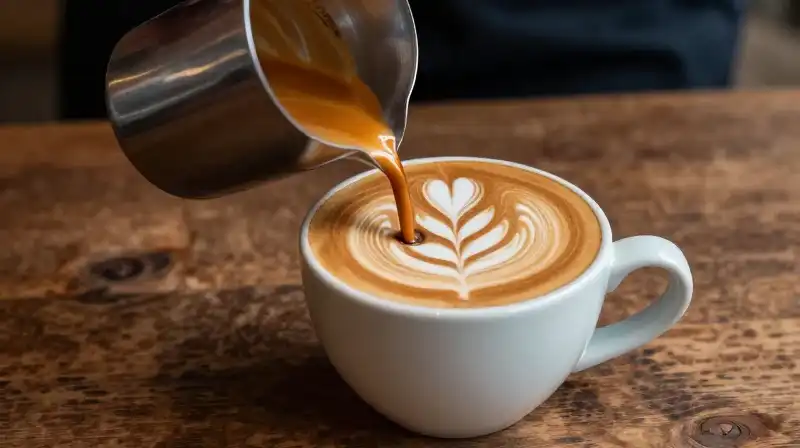
A latte is defined as a beverage that uses espresso as its primary component, but blends it with a considerably larger volume of steamed milk. While the exact ratio can vary by cafe, a classic latte typically consists of roughly one-third espresso, two-thirds steamed milk, and a thin layer of microfoam to top. The goal of latte preparation is to achieve a smooth, velvety texture. The steamed milk not only dilutes the sharp acidity and high concentration of the espresso but also carries the natural, comforting sweetness of the dairy, leading to a creamy and mellow flavor profile.
Latte vs. Espresso: Ratio, Taste, and Mouthfeel
The contrast between these two drinks boils down to concentration versus dilution, which dictates the entire sensory experience.
| Feature | Espresso Shot | Latte |
|---|---|---|
| Preparation | High pressure, small volume. | Pressure extraction followed by extensive steaming and blending. |
| Ratio | Highly concentrated coffee (pure shot). | Blend of espresso and approximately two-thirds steamed milk. |
| Taste Profile | Intense, robust, and concentrated coffee flavor; often acidic and strong. | Creamy, mellow, smooth, and dairy-forward, with balanced coffee notes. |
| Mouthfeel | Thick, intense, concentrated. | Smooth, velvety, and flowing. |
| When comparing the two, espresso delivers a punch of concentrated coffee flavor, making it ideal for immediate caffeine boosts or as a base for milk-based drinks. Conversely, the latte offers a milder, more approachable experience, utilizing the steamed milk to create a smoother, fuller-bodied beverage. |
Understanding Related Specialty Drinks
The line between these drinks can become blurred, but differentiating them helps clarify what each drink is meant to deliver.
- Cappuccino: Unlike a latte, which emphasizes smooth milk, a cappuccino is designed for texture. It consists of roughly equal parts espresso, steamed milk, and thick, airy foam. Because of the high proportion of foam, it results in a stronger, more robust, and more intense coffee profile than a latte, and its mouthfeel is lighter and more textured.
- Macchiato: This is a highly specific preparation where espresso is “marked” or “stained” with a small amount of milk foam. It is espresso topped with only a dollop of foam, designed to maintain the coffee’s intense flavor profile while adding a subtle hint of milk.
Intensity and Caffeine: Which is Stronger?
In terms of sheer caffeine concentration per ounce, espresso is significantly stronger than standard coffee brewed using gravity (like a drip or pour-over). Because the process of forcing water through finely ground coffee extracts more compounds into a smaller volume, a single espresso shot contains a very high dose of caffeine. A latte, while containing espresso, is a diluted version of that shot. If you order a standard latte, the volume of milk significantly spreads the caffeine across a larger volume of liquid. Therefore, while the *source* of the latte is espresso, the overall caffeine concentration per ounce is lower than a straight shot of espresso.
Selecting Your Perfect Coffee Experience
Choosing between an espresso shot and a latte should align with your desired outcome:
- Choose Espresso if: You prioritize the bold, unadulterated taste of coffee; you want a quick, powerful caffeine hit; or you plan to add flavored syrups (e.g., caramel) to a tiny amount of concentrated coffee.
- Choose a Latte if: You prefer a creamy, smooth, and mellow drink; you are looking for a comforting beverage that balances espresso’s intensity with dairy’s sweetness; or you want a more drink-like, less intense coffee experience.
The decision ultimately depends on whether you want the sharp, potent focus of coffee or the comforting, creamy blend of coffee and steamed milk.
Related Articles