

Outrunning a Tornado: Why Driving Is Not a Safe Choice

Introduction
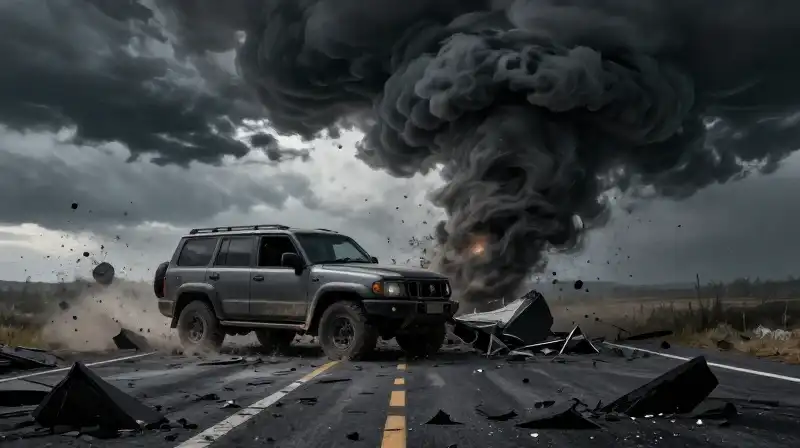
The question of whether you can outrun a tornado is one of the most critical decisions a driver might face during a severe weather event. The short, definitive answer is no. Attempting to outrun a tornado while driving is strongly advised against. This is a persistent misconception that relies on a flawed comparison of speed and trajectory. In reality, the constraints of a vehicle combined with the unpredictable and overwhelming force of a severe storm make driving the most dangerous option when a tornado is in proximity.
Understanding the fundamental difference between a sustained highway speed and the raw power of a twister is essential for safety. Tornadoes do not follow human infrastructure; they are a natural phenomenon unrestricted by roads, and their speed and path are erratic. The following analysis breaks down the risks involved, clarifies the physics of the situation, and provides clear, actionable steps for securing the safest possible shelter.
The Flawed Comparison: Speed and Trajectory
A common fallacy is comparing the maximum speed of a vehicle (e.g., 60 mph) to the estimated speeds of a tornado, which can often reach 70 mph or more. This comparison fails to account for the critical differences in movement and environmental impact.
A vehicle’s speed is limited by road surfaces, physics, traffic, and obstacles like trees or power lines. Even if a car can maintain high velocity, that speed does not equate to the “speed” of the storm in a way that allows for escape. Furthermore, even if a vehicle maintained a high speed, a tornado is not bound by the linear paths of roads. It can deviate sharply or move erratically, rendering the concept of “outrunning” it impossible.
The most dangerous factor is not simply the speed, but the force. High winds associated with severe thunderstorms generate forces powerful enough to lift vehicles entirely, instantly rendering them stationary and exposed. Debris kicked up by the intense rotating winds can cause structural damage to the car, puncture tires, and drastically reduce visibility, leading to a loss of control.
Assessing Risk: Why a Vehicle is a Poor Sanctuary
Even if a tornado is distant, the risks associated with staying in a vehicle—or using a vehicle for temporary shelter—are substantial. Drivers often focus on the idea of escape while ignoring the immediate vulnerabilities of the car itself.
The dangers include:
- Wind Tunnel Effect: Structures like overpasses create wind tunnels that can accelerate winds dramatically, intensifying the danger within the car and increasing the risk of being swept away.
- Obstacle Exposure: The vehicle offers no protection against large debris (trees, household objects) that are hurled by the wind, which are typically the primary cause of fatal injuries during a tornado event.
- Impaired Visibility: Heavy rotating winds and intense rain severely impair a driver’s ability to navigate or accurately assess the storm’s trajectory.
- Impact Vulnerability: A car is a relatively small, lightweight object compared to a severe storm, making it highly susceptible to being physically moved or overturned by the extreme forces of the wind.
Emergency Decision Matrix: What to Do When a Tornado Is Near
The safest course of action depends critically on how close the tornado is. The primary goal in all scenarios is to move away from the storm’s path and seek a sturdy structure, not to drive along the path of least resistance.
| Tornado Status | Recommended Action | Safety Rationale |
|---|---|---|
| Distant / Apparent Threat | Drive at a 90-degree angle away from the storm. | This provides immediate distance and avoids following the storm’s path along the road. |
| Rapidly Approaching / Immediate Threat | Abandon the vehicle and seek immediate, secure shelter indoors. | The time required to travel a safe distance while driving is insufficient; immediate structural protection is paramount. |
Practical Shelter Protocols: Prioritizing Safety
Once the decision is made to seek shelter, specific safety protocols must be followed to maximize protection. The vehicle is almost never considered safe shelter.
Primary Shelter Directive: Seek immediate refuge in the nearest sturdy, well-built structure. If a building is accessible, this is the optimal location.
If no sturdy building is immediately accessible:
- Find a low, secure location, such as a deep ditch or ravine, away from mobile homes, as mobile homes are not designed to withstand severe winds.
- If you are trapped inside a vehicle and the storm is actively raging, fasten your seatbelt. To protect against potential shattering glass, stay low, covering your head and body below the windshield and windows.
Crucial locations to avoid during a tornado event include:
- Underpasses: These areas funnel and intensify wind velocity, creating dangerous wind tunnels that increase the risk of being blown or swept away.
- Mobile Homes: These structures lack the reinforced integrity of conventional buildings and present a significantly higher risk.
Addressing Specific Weather Doubts
People often have several specific questions regarding the mechanics of tornadoes. Clarity on these points helps dispel common fears:
Can a tornado split into two?
Yes, tornadoes can sometimes appear to split or become tornadic vortices. While the primary structure is the focus of warnings, atmospheric dynamics can cause a tornado to appear as if it is divided into multiple sections. This is a natural atmospheric variation and does not mean the danger has diminished.
Is Tornado Alley shifting in 2026?
Tornado Alley is a broad geographical designation encompassing regions prone to severe weather, primarily due to the interaction of various weather systems. Like all meteorological patterns, these regions are subject to natural shifts influenced by climate change and changing atmospheric conditions. Specific predictions about shifts in defined years are not feasible, but the potential for severe weather remains a constant risk across the great plains.
Final Safety Synthesis
Do not rely on the hypothetical ability to outrun a tornado; rely on the reality of its overwhelming power and unpredictability. The core directive is always clear: prioritize finding immediate, secure shelter in a reinforced building whenever possible. If a tornado is distant, move perpendicularly away from its path to create distance. If it is approaching rapidly, abandon the vehicle immediately. By understanding the critical failure points of both vehicular travel and localized shelter, you can make a calculated decision that maximizes your survival probability during a severe weather threat.
Frequently Asked Questions
Could you outdrive a tornado?
No, the article states that attempting to outrun a tornado while driving is strongly advised against. Because tornadoes are not bound by roads and move with unpredictable, overwhelming force, the concept of outrunning a twister is impossible.
Can a tornado split into two?
Yes, tornadoes can sometimes appear to split or become tornadic vortices. Atmospheric dynamics can cause a tornado to look as if it is divided into multiple sections, which is a natural atmospheric variation that does not diminish the danger.
Is Tornado Alley shifting in 2026?
Tornado Alley is subject to natural shifts influenced by climate change and changing atmospheric conditions. However, specific predictions about shifts in defined years are not feasible, although the potential for severe weather remains a constant risk across the great plains.
How to Secure Safety During a Tornado Threat
Assess Tornado Status
Determine whether the tornado is distant/apparent or if it is rapidly approaching/an immediate threat.
Act if Threat is Distant
If the tornado is distant or only an apparent threat, drive at a 90-degree angle away from the storm to gain immediate distance without following the storm's path.
Act if Threat is Immediate
If the tornado is rapidly approaching or poses an immediate threat, abandon the vehicle and seek immediate, secure shelter indoors.
Find Primary Shelter
Seek immediate refuge in the nearest sturdy, well-built structure or building, as these provide the optimal location for protection.
Secure Alternative Shelter
If no sturdy building is immediately accessible, find a low, secure location, such as a deep ditch or ravine, making sure to avoid mobile homes.
Shelter if Trapped in Vehicle
If you are trapped inside a vehicle and the storm is actively raging, fasten your seatbelt, stay low, and protect your head and body by covering them below the windshield and windows.
Related Articles