
Standing with Locked Knees: Risks to Circulation and Joint Health

Introduction
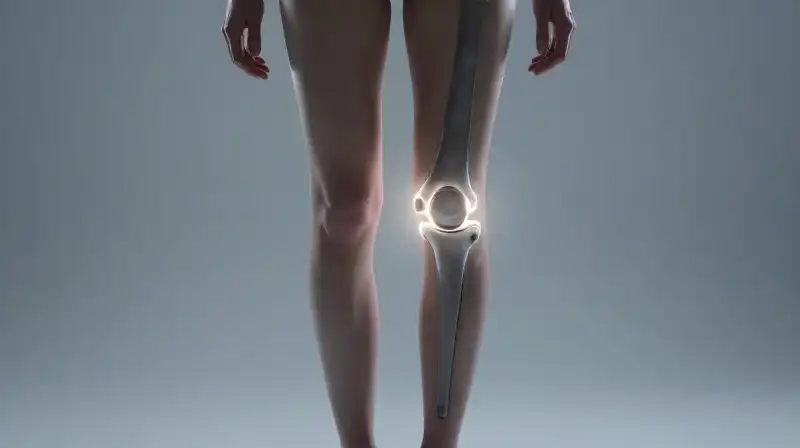
Standing with locked knees, or hyperextending the knee until it is fully straightened, is a common, often subconscious habit. While it may feel stable or comfortable in the moment, this posture presents significant long-term risks to both the circulatory system and the structural integrity of the joints. This practice shifts the entire load handling mechanism, transforming what should be a dynamic muscular effort into a static stress concentration. This article details the biomechanical and physiological reasons why standing with locked knees is discouraged and provides practical strategies to maintain optimal standing posture and circulation.
The Circulatory Risks: Venous Return and Dizziness
The primary circulatory issue associated with standing with locked knees relates to venous return—the process by which blood moves from the lower extremities back up toward the heart. Veins are elastic and rely heavily on the surrounding muscle contractions (the “muscle pump”) to propel blood against the force of gravity. When the knees are locked, the major muscle groups in the legs are essentially deactivated, drastically restricting this pump action.
This restriction allows blood to pool and stagnate excessively in the lower leg veins, creating a large reservoir. Reduced blood flow back to the heart lowers cardiac output, which, in turn, decreases the supply of oxygenated blood reaching the brain. The most immediate symptoms of this inadequate cerebral blood flow are lightheadedness, sudden dizziness, or even syncope (fainting).
For those who find themselves “standing with locked knees passing out,” this poor venous return is a key contributing factor. Maintaining a slight, natural bend in the knees, even while stationary, ensures the surrounding musculature remains engaged, allowing the natural pump action to facilitate consistent blood return.
Biomechanical Stress: Shear Forces vs. Compression
The concept of joint health when standing is defined by the distribution of force. Optimal joint stacking—where the ear, shoulder, hip, knee, and ankle align along a perfect vertical line—is crucial for reducing undue stress.
When a person stands with “soft” (slightly bent) knees, the body achieves proper alignment, and the only forces applied to the joint are safe compression forces, which run parallel to the bone and are the body’s intended load-bearing method. Conversely, when joints are not stacked, or when the body leans away from the vertical line due to poor alignment or compensatory habits, a “moment arm” is created.
Understanding the Moment Arm
A moment arm exponentially increases the distance between the joint’s center of gravity and the point of support. This increased distance introduces dangerous shear forces—perpendicular forces that tear and wear down cartilage, ligaments, and tendons over time. Standing with locked knees often exacerbates this poor stacking, concentrating harmful stress on the posterior structures of the knee, including the joint capsule and hamstring tendons.
Why We Adopt This Posture and Its Compensatory Nature
It is common for individuals to resort to locking their knees during prolonged periods, particularly when leg muscles feel fatigued. This is a compensatory mechanism the body uses to momentarily reduce perceived strain. However, while it provides temporary relief, it is fundamentally inefficient. Furthermore, when muscles are fatigued and the knee locks, the quadriceps are effectively deactivated. This shifts the entire load to passive joint structures rather than active, supportive musculature, accelerating wear and tear.
Additionally, in some individuals, the hyperextension of the knee can lead to the compression of the popliteal vein, further compromising circulation and potentially contributing to feelings of dizziness.
Practical Solutions: How to Avoid Locking Knees When Standing
Transitioning away from locked knees requires a conscious effort to engage the core and hip musculature, as these muscles are essential for maintaining the correct vertical stack and proper load distribution. Simply “softening” the knees is the basic goal, but effective prevention requires deeper activation.
1. Core and Hip Activation
The foundational step to achieving proper joint stacking is activating the deep stabilizing muscles—the core and the gluteal complex (hip muscles). By engaging these muscles, you ensure that the load is distributed through the entire kinetic chain (from ankle to hip) rather than being concentrated solely on the knee joint.
2. Intermittent Movement and Micro-Shifting
For anyone standing for extended periods, static posture is inherently harmful. Even small, intermittent movements of the legs or shifting weight from one foot to the other breaks the static load and encourages the muscle pump, drastically improving circulation. This practice prevents blood stagnation and reduces the prolonged, unnatural stress on tendons.
3. Targeted Strengthening
To build muscle tolerance and support for prolonged standing, specific strengthening exercises are beneficial. These should be done under the guidance of a professional, especially if you have pre-existing conditions.
- Quad Sets: Engaging the quadriceps while seated or lying down to build muscular strength without deep flexion.
- Straight Leg Raises: Strengthening the hip flexors and glutes while the knee remains locked (but not hyperextended).
- Calf Raises: Enhancing the “pump” action in the lower leg.
Standing Posture Check: The Vertical Line
Instead of focusing solely on the knee, assess the entire vertical alignment. A proper standing posture—often checked with a plumb line—requires that the major points of the body are vertically aligned. If you habitually find yourself leaning or swaying, it often indicates that your muscles are compensating for a lack of core strength or a hip misalignment, which is why the simple fix of a slightly bent knee is insufficient.
Maintaining a posture similar to being “ready to move” ensures that the muscles are active and supportive, allowing the body to naturally manage the forces acting upon it without placing unnecessary shear stress on the delicate joint structures.
Practical Synthesis and Final Precautions
To prevent circulatory issues and mitigate joint wear, the goal of standing is not necessarily to maintain a constantly “soft” knee bend, but to maintain active muscular engagement through the entire standing process. This means ensuring your core is stable, your hips are engaged, and you break up prolonged static positions with micro-movements.
If you experience persistent symptoms such as dizziness, frequent fainting when standing, or unexplained joint pain, these could be linked to issues with circulation, alignment, or mechanical strain. While maintaining optimal form is crucial, these symptoms should prompt a consultation with a healthcare professional or physical therapist to rule out underlying conditions and receive a personalized assessment of your posture and movement patterns.
Frequently Asked Questions
Why do I stand normally with my knees locked?
Individuals often resort to locking their knees during prolonged periods when their leg muscles feel fatigued. This posture is a compensatory mechanism the body uses to momentarily reduce perceived strain.
How to Maintain Optimal Standing Posture and Circulation
Core and Hip Activation
Engage the deep stabilizing muscles, including the core and the gluteal complex (hip muscles), to achieve proper joint stacking and distribute load through the entire kinetic chain.
Intermittent Movement and Micro-Shifting
For extended periods of standing, perform small, intermittent movements of the legs or shift your weight from one foot to the other to break static load and facilitate the muscle pump action.
Targeted Strengthening
To build muscle tolerance, engage in specific strengthening exercises such as Quad Sets (engaging quadriceps while seated), Straight Leg Raises, and Calf Raises.
Related Articles