
Oxygen Tank Safety: Preventing Explosions and Fire Hazards

Introduction
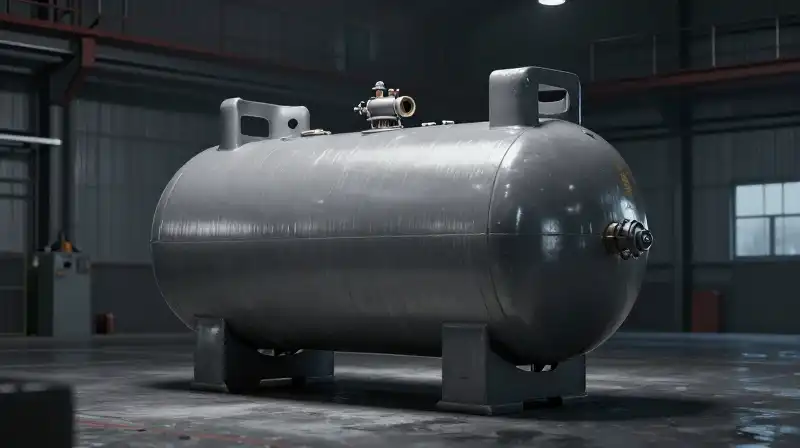
Oxygen (O2) is a powerful oxidizer, meaning it enables and accelerates combustion, but it does not burn itself. While this makes it essential for controlled processes like welding and vital for medical use, it presents unique fire and explosion risks when not handled correctly. The central concern—whether an oxygen tank will spontaneously explode or catch fire—is complex. Generally, tanks do not spontaneously ignite due to the oxygen itself. Fire usually starts externally, often involving the regulator or surrounding materials, and explosions are typically related to catastrophic internal pressure failure or external structural compromise.
Understanding the nature of these risks is crucial for safe usage. This guide details the distinct mechanics behind fire hazards and explosion risks, providing the necessary protocols to manage oxygen tanks safely in both industrial and home environments.
Understanding the Oxidizer vs. Fuel Distinction
The fundamental difference between oxygen and fuel is a matter of chemical role. Fuel (such as wood, gasoline, or dust) provides the energy source for combustion, while oxygen provides the necessary component to sustain that rapid chemical reaction—the oxidation process. Without oxygen, a fire quickly suffocates. With pure, pressurized oxygen, the reaction rate is dramatically increased, leading to much hotter and faster burning. This intense oxidizing capability is why small amounts of oxygen can rapidly alter materials, including metals like iron, and why even fine dust can spontaneously combust under high concentrations.
Fire Hazards: Preventing Rapid Combustion
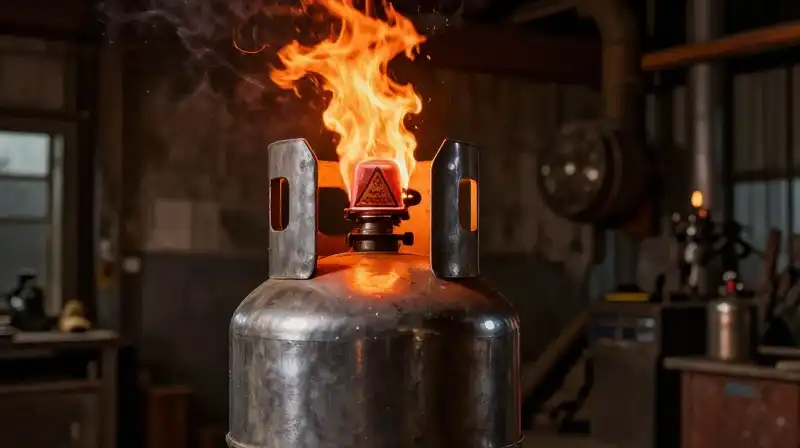
In the context of oxygen tanks, fire is rarely caused by the gas itself. Instead, the intense oxidizing power dramatically intensifies any ignition source present. The primary areas of fire risk are related to the equipment interface and environmental contamination.
Regulator and Equipment Failure
A common cause of fire near oxygen tanks is the failure of the regulator. When the pressurized oxygen is released, a sudden pressure increase causes adiabatic heating—a rapid rise in temperature within the regulator components. If contaminants are present, this heat can be enough to trigger a fire.
- Contamination: Oils, grease, dirt, and fine dust surrounding a regulator or connection point are significant ignition risks.
- Material Choice: Aluminum regulators are noted to be more susceptible to ignition compared to brass parts, which require significantly higher temperatures to combust. Brass regulators are therefore preferred for increased safety margins.
- Preventive Measures: Before attaching a regulator, briefly “cracking” the oxygen tank helps blast away surrounding dust and debris. Additionally, opening cylinders slowly allows heat to dissipate safely, and keeping equipment clean is paramount.
Increased Flammability in Home Settings
When medical oxygen is used in a home environment, the concentration of O2 in the surrounding air and materials is significantly elevated. This increased saturation heightens the flammability of common household items. The risk of fire is heightened even if the oxygen supply is disconnected, as the air itself holds the increased oxygen concentration.
High-Risk Behaviors: The presence of open flames or smoking (including tobacco) in proximity to an O2 tank dramatically increases the potential for rapid fire spread and severe burns. For home users, implementing safety valves, known as thermal fuses or firebreaks, within the supply tubing is a critical measure to mitigate this risk.
Explosion Risks and Tank Failure
An oxygen tank exploding is usually a result of physical or structural failure, rather than a chemical reaction with the gas itself. These events are classified as pressure-induced failures.
Causes of Pressure Failure
Internal pressure must be maintained within safe limits. Failure modes include:
- Internal Pressure Exceedance: Using incorrect equipment or improper tank maintenance leading to structural stress.
- External Damage: Dropping the tank, severe impact, or exposing the cylinder to extreme mechanical force.
- Chemical Reaction/Contamination: While rare, contaminants like oil can degrade tank components. Furthermore, a high-pressure leak caused by improper installation (such as using two O-rings or yoke washers) can create conditions that compromise the tank integrity.
Thermal and Environmental Factors
Heat poses a specific threat to tank structure. Tanks must be kept well away from external heat sources, sparks, or open flames. Exposure to high temperatures can compromise the tank’s structural integrity, leading to a pressure-induced catastrophic failure. Therefore, medical oxygen cylinders must maintain a distance of at least five feet from any external heat source to prevent tank ignition or structural weakening.
Is it Safe to Have an Oxygen Tank at Home?
The safety of having an oxygen tank at home is contingent entirely upon adherence to strict handling and storage protocols. While the gas itself is inert and non-flammable, the environment it creates—high oxygen concentration—means the *risk* of a severe fire is significantly increased if certain conditions are met.
Key Safety Requirements:
- Storage: Tanks must be kept upright, secured to prevent rolling, and stored away from direct sunlight and any heat source.
- Equipment: Use only approved, rated, and clean regulators and connections. Regular inspection of fittings and O-rings is essential.
- Environment: Prohibit open flames and smoking in the immediate vicinity of the tank. Ensure the area is kept free of flammable debris, grease, or dust.
- Maintenance: Follow all DOT guidelines for tank filling, testing, and storage. Tanks should never be left exposed to sparks.
Synthesis of Critical Safety Protocols
To manage the risks associated with oxygen, the focus must be on prevention through vigilance. Remember the difference: fire is typically an external event enabled by the oxygen, while explosion is usually a result of physical or structural failure. Maintaining a clean, properly maintained setup is your primary defense.
Before using or storing oxygen, ensure the following:
- Air Quality: The surrounding environment is completely free of grease, dust, and combustible materials near the regulator.
- Operational Integrity: All regulators and fittings are made of appropriate, non-aluminum materials (like brass) and are properly rated for the required pressure.
- Distance: The entire cylinder is maintained at least five feet away from any potential heat source or spark.
- Protocol: Usage adheres strictly to manufacturer and DOT guidelines, including the practice of slowly opening the cylinder and pre-cleaning connections.
Frequently Asked Questions
Is it safe to have an oxygen tank at home?
The safety of having an oxygen tank at home is contingent entirely upon strict adherence to handling and storage protocols. Because the oxygen environment significantly increases the risk of fire, specific measures—such as prohibiting open flames and maintaining distance from heat sources—are critical.
How to Safely Handle and Store Oxygen Tanks
Storage
Keep tanks upright, secured to prevent rolling, and stored away from direct sunlight and any heat source.
Equipment Management
Use only approved, rated, and clean regulators and connections. Regularly inspect all fittings and O-rings.
Environmental Control
Prohibit open flames and smoking in the immediate vicinity of the tank, and keep the area free of flammable debris, grease, or dust.
Maintenance and Protocol
Follow all DOT guidelines for tank filling, testing, and storage, ensuring tanks are never left exposed to sparks.
Related Articles