Why The Bends Happen: The Science of Decompression Sickness

Introduction
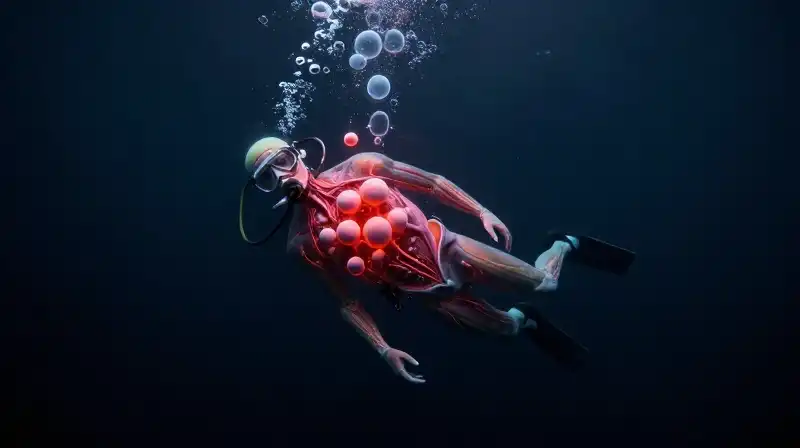
The phrase “the bends” is the common, colloquial name for a serious medical condition formally known as Decompression Sickness (DCS). It affects individuals exposed to high-pressure environments—most commonly scuba divers, but also workers in pressurized caissons, saturation divers, and even those traveling in certain high-altitude aircraft. At its core, the bends is a physiological failure caused by inert gases, primarily nitrogen, forming microscopic bubbles within the body’s tissues and bloodstream. The fundamental science behind this condition is governed by a principle called Henry’s Law, which dictates that the amount of gas that dissolves in a liquid is directly proportional to the pressure. When a body is subjected to high ambient pressure, such as deep underwater, nitrogen from the breathing gas dissolves readily into the blood and fatty tissues. The danger arises not from the high pressure itself, but from the sudden reduction in that pressure during ascent. When the diver surfaces too rapidly, the nitrogen—which was dissolved—can no longer hold its dissolved state and rapidly comes out of solution, forming harmful gas bubbles. These bubbles are the direct cause of the pain, dysfunction, and potential life-threatening complications associated with DCS.
The Science of Bubble Formation: How Decompression Sickness Happens
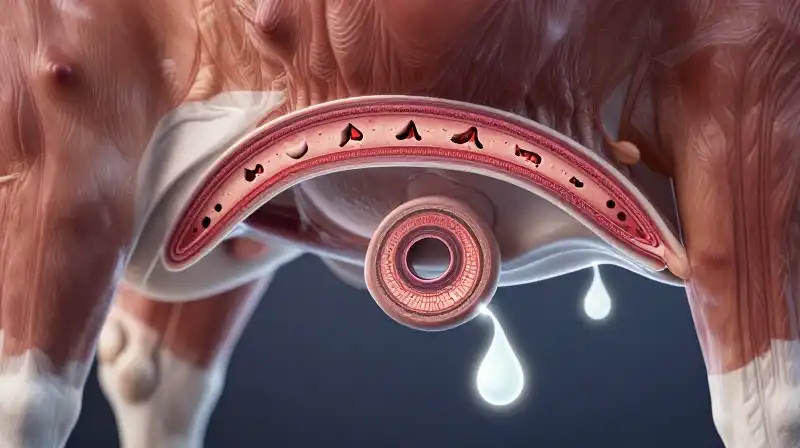
To understand why the bends occur, one must look at the transition of a dissolved gas from a liquid to a gaseous state. Think of a sealed bottle of carbonated water. While under pressure, the carbon dioxide stays dissolved in the liquid. Opening the cap and allowing the pressure to drop causes the bubbles to rapidly form and release. The human body reacts similarly. When a diver descends, the increased pressure forces more nitrogen into their blood and tissues. This process, known as saturation, allows the body to “store” more inert gas than at sea level. During the ascent, the ambient pressure outside the body drops, reducing the “force” holding the gas in solution. If the rate of this pressure drop is too fast, the nitrogen reaches its solubility limit and converts into microscopic gas bubbles (N2 bubbles) within the body. These newly formed nitrogen bubbles are not merely harmless gas; they interfere with the function of tissues, restrict blood flow, and can cause mechanical damage to sensitive organs. This is why symptoms appear—the bubbles block nerves, constrict blood vessels, and cause localized tissue damage, leading to the excruciating joint pain for which the condition is named.
Historical Origins: Why is it Called “The Bends”?
The term has a specific, physical origin that differs from the purely physiological “bubbles” description. The phrase was first coined by workers in early 19th-century compressed-air caissons. These workers would spend long shifts in air-tight chambers where the pressure was maintained to allow them to tunnel underwater. When the workers suffered from what we now call DCS, they experienced intense, debilitating joint and skeletal pain. Because the pain was so severe, sufferers were literally forced to physically bend forward or into a stooped posture to relieve the agony. This physical requirement to “bend” was the direct source of the name, which was later adopted by the diving community to describe the condition itself. While the name refers to the physical posture caused by extreme pain, it serves as a shorthand for the underlying physiological process of gas bubble formation.
Risk Factors and Triggers
While DCS is a natural risk of high-pressure exposure, several specific factors dramatically increase the likelihood of the bends:
- Rate of Ascent: This is the most critical trigger. Rapid decompression, or “fast ascent,” is the primary mechanism for bubble formation. Modern dive computers and standardized safety protocols (like decompression stops) are designed to mitigate this risk.
- Depth and Duration: The deeper a diver goes and the longer they remain at that depth, the more nitrogen the body absorbs, thereby increasing the potential for a dangerous pressure drop during ascent.
- Type of Gas Used: Diving with certain gases, such as enriched air (Nitrox), can reduce the concentration of nitrogen absorbed, offering a lower level of protection against the bends, though this requires careful management.
- High-Pressure Environments: DCS can occur outside of diving. Similarly, exiting a hyperbaric or saturation diving chamber too quickly, or even the sudden change in cabin pressure on high-altitude aircraft, can trigger the condition.
Differentiating Symptoms: Type I vs. Type II
The presentation of DCS varies significantly between individuals, often depending on which parts of the body the nitrogen bubbles affect. Medical professionals often categorize these symptoms into types:
Type I (Mild DCS)
These symptoms generally involve peripheral systems and are often more tolerable, though still distressing. The primary site of impact is the musculoskeletal or skin system.
- Joint Pain (often referred to as “Diving Stiffness”)
- Itching or Rash (mottling) on the skin
- Mild fatigue
Type II (Severe DCS)
These symptoms indicate that the bubbles have reached major, sensitive organs—typically the central nervous system (CNS) or the circulatory system. These symptoms are life-threatening and require immediate medical intervention.
- Paralysis or weakness
- Severe neurological symptoms (numbness, dizziness, confusion)
- Severe respiratory distress or circulatory failure
Addressing Associated Concerns: Can The Bends Kill You?
The question of lethality is a serious concern. Yes, Decompression Sickness can be fatal. The risk of death is significantly higher with Type II DCS, where the bubbles severely impede blood flow and compromise critical organ function, such as the brain or heart. Sudden, massive bubble formation can lead to immediate systemic failure. However, because the primary treatment for DCS is highly effective, death is often preventable. The key factor in survival is the immediate recognition of symptoms and receiving prompt medical care in a specialized environment.
Prevention and Treatment Protocols
If protocols are strictly followed, the risk of DCS is minimized. However, if the condition occurs, there is a clear path to recovery.
Preventative Practices
- Adhere to Limits: Never exceed the maximum depth or duration specified by dive computers or dive tables for the specific gas being used.
- Ascend Slowly: This is the most important safety rule. A slow, steady ascent allows the body sufficient time to safely off-gas and eliminate dissolved nitrogen gradually.
- Perform Safety Stops: Even when following a computer, safety stops are used to allow the blood a final period of decompression.
- Stay Hydrated: Proper hydration supports blood volume and overall physiological function.
Medical Treatment: Recompression Therapy
The gold standard and primary treatment for decompression sickness is **hyperbaric oxygen therapy**. This involves placing the affected individual in a specialized recompression chamber. Inside the chamber, the body is subjected to high pressure and high concentrations of oxygen. This highly concentrated oxygen helps the body flush the inert nitrogen bubbles out of the tissues and replaces the dissolved nitrogen in the blood with oxygen, allowing the body to begin the healing process. The preference is always for immediate recompression. Delayed treatment reduces the chances of a full recovery and increases the severity of permanent damage.
Practical Warnings and Synthesis
Decompression Sickness is a direct result of pressure changes forcing dissolved nitrogen out of the blood and tissues. The term “the bends” links the extreme physiological suffering to the physical bending required by the pain. The crucial takeaway for anyone involved in high-pressure activities is that risk is proportional to the *rate of change*. Whether in diving or any similar pressure environment, a sudden or too-rapid shift in ambient pressure is the fundamental trigger. While most cases of DCS resolve completely with appropriate medical intervention, the condition should never be dismissed as merely “joint pain.” If symptoms such as numbness, severe joint distress, or neurological changes occur after exposure to high pressure, immediate medical assistance is required.
Frequently Asked Questions
Why can't you swim up fast in the ocean?
Rapid ascent causes a sudden reduction in ambient pressure, which forces dissolved nitrogen to rapidly come out of solution and form harmful gas bubbles in the body. These bubbles are the direct cause of Decompression Sickness, commonly known as the bends.
Prevent Decompression Sickness (The Bends)
Adhere to Limits
Never exceed the maximum depth or duration specified by dive computers or dive tables for the specific gas being used.
Ascend Slowly
Ensure a slow, steady ascent to allow the body sufficient time to safely off-gas and eliminate dissolved nitrogen gradually.
Perform Safety Stops
Even when following a computer, always implement safety stops to allow the blood a final period of decompression.
Stay Hydrated
Maintain proper hydration to support blood volume and overall physiological function.
Related Articles