
Understanding the Purpose of the Ground Wire: Safety and Function

Introduction
The ground wire, officially recognized as the Equipment Grounding Conductor (EGC), is arguably the most critical safety element in any modern electrical installation. Its fundamental purpose is to provide a dedicated, secure pathway for electricity to escape during a fault condition, thereby preventing severe electrocution and minimizing the risk of electrical fires. Simply put, the ground wire is the electrical system’s ultimate fail-safe mechanism. It does not operate during normal power usage; instead, it is an emergency path that only activates when a dangerous event occurs, such as a live wire accidentally contacting the metal chassis of an appliance.
How Does the Ground Wire Work? The Fault Scenario
To understand the ground wire, one must first understand electrical faults. A fault occurs when a hot (live) wire comes into accidental contact with a grounded metal object—like the casing of a washing machine or a refrigerator. Normally, current flows from the hot wire to the metal casing, which is connected to the ground wire. In this hazardous state, the casing becomes energized, creating a path for dangerous current to flow through a person who might touch the appliance.
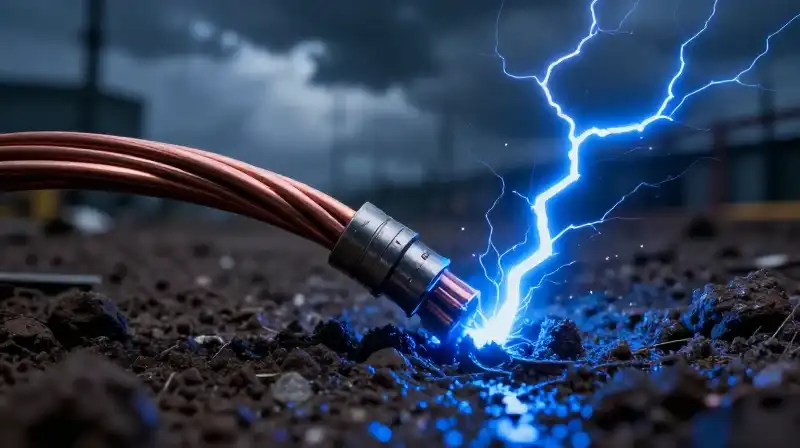
The ground wire intercepts this fault current. It is specifically designed to be a “low-impedance path,” meaning it offers the least resistance for electricity to follow. When the fault happens, the current instantly shunts away from the user and down this low-resistance path directly into the earth ground (the deep rod outside your home). This massive, sudden flow of fault current is powerful enough to immediately trigger the circuit breaker or fuse, causing it to trip and cutting off the main power supply. The ground wire, therefore, acts as a shock absorber, diverting catastrophic energy into the earth before it can reach a human body.
Ground Wire vs. Neutral Wire: Understanding the Distinction
A common point of confusion is confusing the ground wire with the neutral wire, but their functions are entirely different. Understanding this separation is key to comprehending electrical safety.
The neutral wire is an essential component of normal operation. It completes the electrical circuit by providing a return path for electricity after it has passed through the device, allowing the appliance to run as intended. It is designed to carry a steady, predictable current during normal use.
In contrast, the ground wire is strictly a protective conductor. It is designed solely for fault conditions. While the neutral wire manages the day-to-day flow of power, the ground wire is the system’s dedicated emergency response, ensuring that any unexpected, high-energy event is safely channeled away from living spaces and equipment.
| Feature | Ground Wire (EGC) | Neutral Wire |
|---|---|---|
| Primary Function | Safety path for fault current and surge dissipation. | Completes the normal electrical circuit for operation. |
| Typical Usage | Only during an electrical fault (short circuit). | During continuous, normal appliance use. |
| Intended Current | High, sudden surge of fault current. | Steady, operational current. |
Functions Beyond Electrocution Prevention: Surge Management and EMI
While preventing electrocution is the ground wire’s primary role, its benefits extend to protecting sensitive electronics and maintaining system integrity.
Dissipating High-Energy Surges
High-energy events, such as lightning strikes or sudden power fluctuations from the start-up of major appliances, can induce dangerous spikes in voltage. The ground system serves as a secondary path to allow these excess charges to safely dissipate into the earth, preventing the extreme voltage spikes from damaging internal components within electronics.
Mitigating Electromagnetic Interference (EMI)
Grounding is also crucial for signal integrity. By providing a stable, low-impedance reference point, the ground wire helps minimize electrical noise and electromagnetic interference (EMI) within a system. This stabilization is vital for sensitive electronic components, ensuring they operate reliably without being corrupted by stray electrical charges.
Identifying and Maintaining Ground Safety
A properly installed ground system is visually distinct and requires specific maintenance to remain effective.
Color Coding and Installation
In residential wiring, the ground wire is typically identified by its color. Most commonly, it is bare copper, though in some jurisdictions, it may be green (sometimes marked with a yellow stripe). It is always the smallest gauge wire in the typical three-slot outlet.
Fully grounded electrical outlets are identifiable by having three slots. The rounded, D-shaped slot is designated for the ground wire, ensuring that the chassis of any appliance plugged into it remains safely isolated from the energized parts of the circuit.
Consequences of Improper Grounding
Failing to maintain an uninterrupted ground connection or installing faulty wiring introduces significant risk. If a ground wire is missing or disconnected, the fault current has no immediate, low-resistance path to the earth. The current remains trapped in the metal chassis, allowing dangerous voltage to reach the user, drastically increasing the risk of shock and leading to potential overheating and electrical fires.
Practical Synthesis and Safety Checklist
Ground wiring is not an optional add-on; it is a fundamental requirement for safety and operational stability. Its purpose is to be the definitive path for fault energy, allowing the breaker to trigger before human injury occurs.
When assessing your electrical system, remember these practical points:
- Verify the Connection: Ensure all grounding points—from the outlet to the service panel and the outdoor ground rod—are firmly and securely connected.
- Check Outlet Integrity: Confirm that outlets provide three slots, confirming the presence of the protective ground path.
- Note the Difference: Recognize that the ground wire only performs its duty during a fault, whereas the neutral wire is constantly active.
- Use Dedicated SPDs: While the ground wire dissipates excess energy, dedicated Surge Protection Devices (SPDs) are separate components required to handle extreme, high-voltage spikes, utilizing the existing ground system for safe discharge.
A properly installed and maintained ground system ensures that any unexpected electrical failure is safely isolated and discharged into the earth, maintaining both code compliance and the safety of those living in the structure.
Frequently Asked Questions
Why do I need a ground wire?
The ground wire provides a secure pathway for electricity to escape during a fault condition, which prevents severe electrocution and minimizes the risk of electrical fires. It also serves as a path to allow excess charges from high-energy events to dissipate safely into the earth.
How to Assess and Maintain Ground System Safety
Verify the Connection
Ensure all grounding points—from the outlet to the service panel and the outdoor ground rod—are firmly and securely connected.
Check Outlet Integrity
Confirm that all electrical outlets provide three slots, which indicates the presence of the protective ground path.
Recognize Functional Differences
Remember that the ground wire only performs its protective function during a fault, while the neutral wire is constantly active during normal operation.
Utilize Surge Protection
Use dedicated Surge Protection Devices (SPDs) to manage extreme, high-voltage spikes, utilizing the existing ground system for safe discharge.
Related Articles