

Garage Door Spring Danger: Understanding Risks and Pro Safety Tips

Introduction
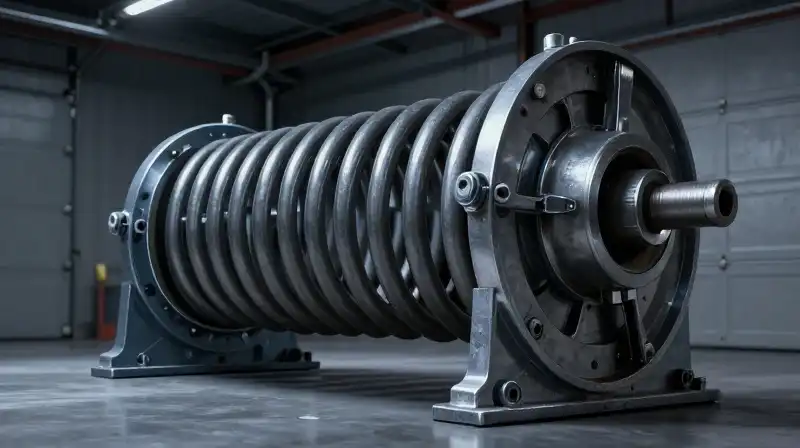
Garage door springs are arguably the most dangerous component of any home entrance, storing colossal amounts of potential energy designed to counterbalance the heavy door. These springs manage extreme tension, which is necessary for lifting the door with minimal effort. However, this stored energy makes the system inherently volatile. The primary risk is not merely a “break,” but a sudden, violent release of force that can launch heavy components—or pieces of the spring itself—with explosive speed. Because the dangers are often hidden by wear and tear, a catastrophic spring failure can result in shrapnel hazards, crushing injuries from the door’s weight, or sudden, violent recoil. Therefore, understanding the structural risks of garage door springs is the first step toward ensuring home safety.
The Mechanics of Spring Tension and Failure
To understand the danger, one must appreciate the physics at work. A spring acts as a powerful counterweight, utilizing tension to facilitate the opening and closing cycle. However, tension is equal to stored potential energy. When the spring mechanism fails—due to fatigue, corrosion, or improper installation—that stored energy is released instantly and uncontrollably. The hazards resulting from this sudden release include:
- Projectile Hazards: Pieces of the broken spring or the attached hardware can be propelled with tremendous force, acting as lethal projectiles.
- Structural Collapse Risk: If a spring fails while the door is in motion, the sudden loss of tension means the massive weight of the door will drop uncontrollably, leading to crushing injuries at pinch points.
- Unexpected Recoil: Even if the spring does not shatter, improper tuning or premature wear can cause erratic, sudden movements, leading to injury from the door’s rapid slamming or vibration.
The fact that wear is often internal—rust building inside coils or microscopic fractures occurring under constant stress—means the spring’s danger is frequently invisible to the naked eye.
Recognizing Pre-Failure Warning Signs
Identifying subtle changes in the door’s operation is critical for proactive safety measures. Before a catastrophic failure occurs, certain signs often indicate that the tension-bearing component is degrading. Professional assessment is crucial because these symptoms may be easily dismissed as normal “house noises.” Key indicators of spring degradation include:
- Audible Anomalies: Persistent creaking, snapping, or sharp popping sounds during regular door operation usually suggest the spring is under excessive or uneven strain.
- Sluggish or Uneven Movement: If the door moves sluggishly or appears to drift more than usual, it may be a sign that the tension is not distributing evenly across the spring coils, possibly due to rust or uneven wear.
- Visible Corrosion or Deformation: Any visible rust, rust streaks, or areas where the coils of the spring appear to be separating or flattened are clear indicators of structural weakening.
- Inconsistent Operation: If the door struggles significantly when starting or stopping, or if it moves at an erratic pace, the spring mechanism may require replacement before it fails completely.
These symptoms suggest that the “hidden” danger is becoming a physical, observable issue.
Addressing the Catastrophe: Will the Garage Door Fall If the Spring Breaks?
Directly answering this crucial question, the outcome of a spring break is rarely a simple, gradual “fall” in the traditional sense. Because the spring holds such immense, high-tension energy, a break results in a violent release. Instead of a controlled descent, a spring failure typically leads to one of two severe scenarios:
First, there is often an immediate, sudden, and violent “drop” of the door weight due to the loss of counterbalancing force. Second, and equally dangerous, is the projectile effect. The energy is not simply dissipated; it is often channeled into breaking the component itself, causing shrapnel that can injure anyone in the vicinity. The risk is therefore characterized by sudden, uncontrolled impact and fragmentation, making the danger acute and immediate rather than just a slow descent.
Why DIY Repair is a Severe Safety Hazard
The primary reason garage door springs are not a DIY project is the extreme risk associated with the required handling of tension. Improper execution, lack of specialized knowledge, or using inadequate tools can lead to immediate component failure. Replacing or adjusting these components requires high-grade, specialized tools that are designed specifically to manage tension and hold heavy loads securely. Using improvised tools, attempting to force components, or misjudging the tension settings are the most common reasons for DIY failures. When new components are installed, the initial “tuning” process is critical. If the new spring is not correctly set to the door’s specific weight and resistance, it can fail violently upon its first attempt to lift the door. This highlights the technical nuance that goes beyond simple replacement; it requires precise calibration.
The Path to Safety: Professional Maintenance Protocols
The only responsible path to garage door spring safety is professional intervention. While the repair cost is a factor, viewing the service as a mandatory safety precaution minimizes the risk of injury, property damage, and the possibility of fatal accidents associated with spring failure. To ensure longevity and safety, professional maintenance should involve:
- Spring Specification Audit: Professionals must first determine the exact requirements of the door (weight, type, height) and select the appropriate spring with the necessary load rating.
- Tension Calibration: The spring’s tension must be meticulously calibrated to ensure it provides a balanced counterweight without undue stress on the door tracks or rails.
- Component Inspection: A full inspection must look for signs of wear not only on the springs but also on the cables, rollers, hinges, and track, as these elements contribute to stress on the springs.
Regular, professional inspection is the most effective method for mitigating the inherent dangers of these powerful, high-tension components.
Frequently Asked Questions
Will the garage door fall if spring breaks?
A spring failure typically results not in a simple, gradual fall, but in an immediate, sudden, and violent drop of the door weight due to the loss of counterbalancing force. Additionally, the stored energy can cause the component to break and become lethal shrapnel.
Perform Professional Garage Door Spring Maintenance
Spring Specification Audit
Professionals must first determine the exact requirements of the door (weight, type, height) and select the appropriate spring with the necessary load rating.
Tension Calibration
The spring's tension must be meticulously calibrated to ensure it provides a balanced counterweight without undue stress on the door tracks or rails.
Component Inspection
A full inspection must look for signs of wear not only on the springs but also on the cables, rollers, hinges, and track, as these elements contribute to stress on the springs.
Related Articles