
Mobile Home vs. Trailer: The Definitive Comparison

Introduction
Choosing between a mobile home, a trailer, or a manufactured home requires understanding a fundamental difference in intent: permanence versus portability. While the terms are often used interchangeably in casual conversation, they represent distinct classifications in construction, legality, and lifestyle. In short, if the unit is intended to be a stationary, long-term residence, it is classified as a mobile home or manufactured home; if its primary purpose is temporary, seasonal, or recreational travel, it is considered a trailer.
The confusion often stems from the fact that both types of dwellings are factory-built, but they adhere to vastly different structural codes and usage guidelines. A clear distinction is essential because your choice will dictate how you finance the property, whether you can secure a standard mortgage, and how the unit will behave under local zoning laws.
The Core Definition: Mobility vs. Stability
The most defining factor separating a trailer from a mobile home lies in its structural design and intended movement. This is why the terms “trailer” and “mobile home” frequently spark debate online.
Mobile Home and Manufactured Housing: Semi-Permanent Dwellings
Mobile homes and manufactured homes are both factory-built dwellings designed for long-term stability. Mobile homes are generally designed to be installed on permanent or semi-permanent foundations (like concrete slabs or blocks) and have the intent of being stationary residences. They are built to house a family permanently. Manufactured homes are a broad category that refers to any home built primarily in a factory and transported to the final site, often incorporating advanced manufacturing techniques.
Crucially, these homes follow strict federal guidelines, such as the HUD Code. They are engineered for maximum structural integrity when placed on a foundation, allowing them to become viable, long-term real estate, particularly when situated within a designated housing park.
Trailers: Designed for Temporary or Recreational Use
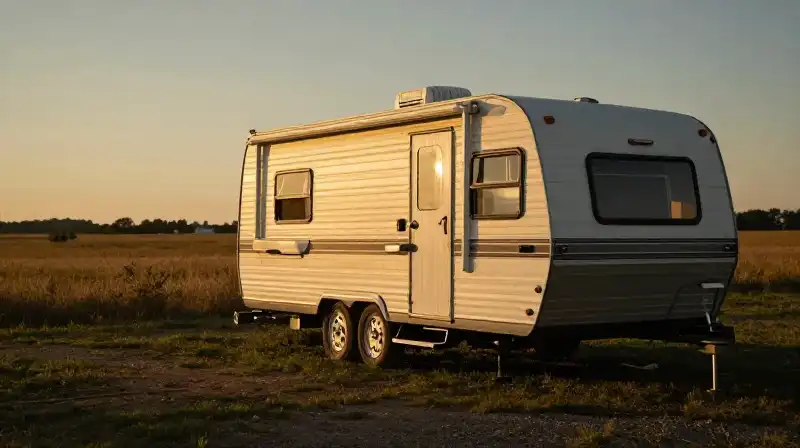
A trailer, by contrast, is designed primarily for portability. They typically retain their chassis, wheels, and tires, making them suited for temporary, seasonal, or recreational living. Trailer construction often involves lighter materials and may not be subject to the same rigorous building codes mandated for permanent housing. They function more like sophisticated recreational vehicles (RVs) or temporary site accommodations.
Comparing Technical Specifications and Standards
When making a decision, understanding the technical and regulatory differences helps clarify the true nature of the product:
| Feature | Mobile Home/Manufactured Home | Trailer |
|---|---|---|
| Primary Function | Permanent, long-term residence | Temporary, seasonal, or recreational living |
| Structural Design | Built to be stationary on a foundation | Designed to be movable and portable (on wheels) |
| Building Standards | Subject to HUD Code and stringent building codes | May have less stringent, project-specific codes |
| Foundation | Requires permanent or semi-permanent pads/slabs | Rests on wheels or temporary stands |
| Value Potential | Can potentially appreciate in value, especially in desirable locations | Generally depreciates and does not appreciate like traditional real estate |
Regulatory Framework and Safety Requirements
Because mobile homes are intended for permanence, they are subject to specific safety codes like the HUD Code, which governs structural soundness and habitability. Conversely, trailers often operate under less demanding codes appropriate for their temporary nature. Furthermore, manufacturers often require mobile homes to be secured with tie-downs or anchoring systems to ensure stability, especially in areas prone to high winds or severe weather, reinforcing their semi-permanent status.
Financial Considerations: Mortgage and Valuation
The distinction between the two types has major implications for the buyer’s wallet, particularly concerning financing and resale value. If you are looking at a “Mobile vs. Trailer cost,” the total purchase price is only part of the equation.
Financing and Property Valuation
Many lenders classify high-quality mobile or manufactured homes as real estate, allowing buyers to utilize traditional mortgage options and potentially secure rates similar to a conventional home. However, if the unit is legally classified as a trailer, lending may be more limited, often leaning towards financing models similar to auto loans, which typically have shorter terms and different debt-to-income requirements.
Regarding land, a critical point often overlooked is the “land ownership” element. Mobile homes and manufactured homes typically reside within specific communities or parks. The purchase often includes a lease for the land, which is a recurring liability. The land itself, however, is what tends to appreciate in value, separate from the dwelling.
Who Should Choose Which? Use Case Scenarios
The choice between a mobile home and a trailer depends entirely on your intended use:
The Case for a Mobile or Manufactured Home
Select a mobile home if you are seeking to put down permanent roots. These dwellings are better suited for establishing a long-term family home where you intend to reside for years. They offer the stability, structural permanence, and often the legal framework necessary to treat the purchase as a significant residential investment.
The Case for a Trailer or Recreational Unit
Choose a trailer if your needs are temporary or recreational. This applies to construction site housing, seasonal living, or as a dedicated recreational vehicle. Trailers are ideal for projects where the structure’s ability to be moved quickly and easily is paramount and not a restriction.
Navigating Confusing Terms: Modular vs. Manufactured vs. Mobile
The search terms often bring up confusion regarding modular and prefabricated homes. While manufactured, modular, and mobile homes are all built off-site in a factory, their design and installation processes vary.
- Mobile Homes: Built to be non-permanent and are designed to be moved frequently during the construction of their site (though modern ones are often static).
- Manufactured Homes: Built in a factory but designed for permanent placement on a permanent foundation. This term is often used interchangeably with “mobile home” but represents a wider, more permanent category.
- Modular Homes: These are factory-built units whose structural pieces are assembled on-site using a crane. They are similar to manufactured homes in intent (permanence) but differ in their assembly process.
To summarize, while all three are factory-built, a “mobile home” emphasizes the dwelling’s design for movement, whereas “manufactured” and “modular” emphasize the method and intent of permanent installation.
Prudent Purchasing and Important Warnings
Before making a purchase, buyers must address several practical risks that go beyond the basic definition of the unit.
Zoning and Local Ordinances
A crucial step is checking local zoning laws. Even if a unit is legally classed as a mobile home, local municipalities may have specific ordinances dictating where such a residence can be placed. The suitability of the land and the local community rules must be verified before any investment is made.
Quality and Longevity Assessment
The lifespan and quality of manufactured homes vary significantly by manufacturer and price point. Due to the diverse construction methods, it is advisable to research the specific model and look for units in the mid-to-upper range to ensure structural durability and a longer lifespan. Do not assume that simply being “factory-built” equates to high quality; thorough inspection is non-negotiable.
Financing a manufactured home requires careful review of mortgage options tailored specifically for that housing type, as standard residential financing may not cover these structures due to their unique classification.
Frequently Asked Questions
Are trailer homes and mobile homes the same?
No, trailer homes and mobile homes are not the same. Mobile homes are intended as stationary, long-term residences built for stability, while trailers are designed primarily for temporary, seasonal, or recreational use and portability.
Is it called a trailer or a mobile home?
It is called a mobile home if the unit is intended to be a stationary, long-term residence, but it is called a trailer if its primary purpose is temporary, seasonal, or recreational travel. Mobile homes are designed for permanent installation on foundations, whereas trailers are designed for portability and typically retain wheels and a chassis.
Guide to Prudent Purchasing of a Mobile or Manufactured Home
Check Zoning and Local Ordinances
Verify local zoning laws to ensure the residence can be legally placed in the desired location, as local municipalities may have specific ordinances dictating placement.
Assess Land and Community Suitability
Confirm that the suitability of the land and the local community rules meet your long-term needs before making any investment.
Evaluate Quality and Longevity
Research the specific model, manufacturer, and price point, opting for units in the mid-to-upper range to ensure structural durability and a longer lifespan.
Perform a Thorough Inspection
Conduct a thorough physical inspection of the unit, as quality should not be assumed merely because the structure is factory-built.
Review Tailored Financing
Carefully review mortgage options specifically tailored for that type of housing, as standard residential financing may not apply.
Related Articles