
Nissan Skyline Legal in the US: JDM Import Regulations Explained

Introduction
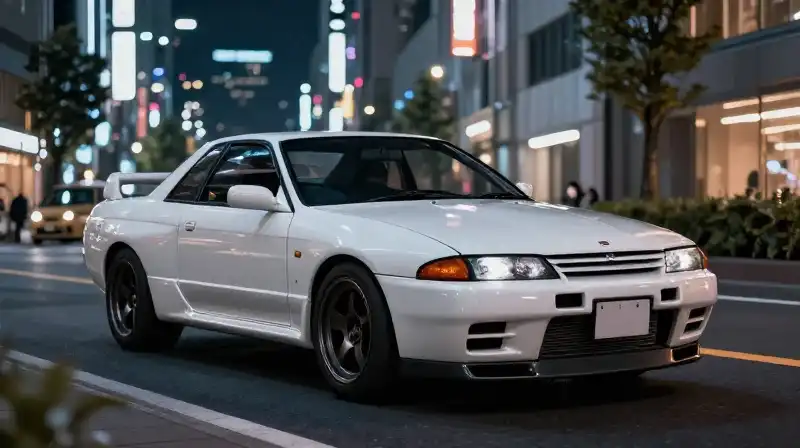
The question of whether Nissan Skylines are legal in the US touches upon a complex intersection of automotive history, international trade law, and federal safety standards. The short answer is nuanced: while the ownership of many Japanese Domestic Market (JDM) Skylines is generally permissible, operating them legally on public US roads is rarely straightforward due to their lack of original certification for North American use.
Since Nissan never formally manufactured or sold the Skyline for the United States market, these vehicles never underwent the rigorous crash testing and emissions inspections mandated by US federal law. This fundamental gap in compliance under the Federal Motor Vehicle Safety Standards (FMVSS) and Environmental Protection Agency (EPA) regulations often leads to the perception that these cars are inherently “illegal.” This article clarifies the precise legal pathways for owning, importing, and driving these legendary vehicles.
Why Skylines Are Often Deemed Illegal in the US
To understand why many owners seek clarification, one must first look at the regulatory hurdles established by the Imported Vehicle Safety Compliance Act of 1988. Because the Skyline was built to meet Japanese standards (JDM) rather than US standards, it fails to meet critical requirements regarding crash safety, emissions, and equipment visibility.
The primary reasons JDM Skylines are initially banned from general use include:
- Lack of Crash Certification: They have not been tested to meet modern US crash test standards (FMVSS).
- Emissions Non-Compliance: JDM engines often lack the catalytic converters and after-treatment systems required by the EPA for US emissions testing.
- Equipment Discrepancies: Standard lighting, bumpers, and safety features may not conform to US safety requirements.
It is crucial to distinguish between the right to own the vehicle (which is generally allowed) and the right to register and drive it on a public street, which requires full regulatory compliance.
The Exception: Utilizing the 25-Year Rule for Importation
One of the most critical legal pathways for bringing older, historically significant Skylines into the US is the “25-year rule.” This rule is designed to exempt classic, vintage, or historical vehicles from the stringent safety and emissions requirements of modern production cars.
This classification allows certain models to bypass the arduous process of achieving full compliance with FMVSS and EPA standards. For a vehicle to qualify, it must meet specific age and condition criteria. When successfully registered under this rule, the import becomes legally possible, though this status typically applies to specific uses.
This age-based exception provides a genuine alternative to the costly and often technically impossible task of modifying a modern JDM car to meet all US mandates.
Navigating the Legal Spectrum: Display, Racing, and Road Use
The legal status of a Skyline depends heavily on its intended use. Not every method of import grants a license for general street driving. Different regulatory pathways serve distinct purposes:
Show and Display Exemption:
Many classic JDM cars enter the US under exemptions allowing them to be displayed in showrooms or collector settings. These vehicles are legal to own and transport to specialized events but are strictly prohibited from use on general public roads.
Competition/Racing Use:
A specific legal niche allows cars to be imported for use as race or drag cars. Owners must follow specific procedures to certify the vehicle for controlled tracks and racing surfaces, which is entirely separate from achieving a standard street-legal registration.
General Road Use (Modification Path):
For a modern, non-exempt Skyline (like the R35) to be street legal, it must be imported through a licensed registered importer. These importers are responsible for making substantial mechanical and structural modifications to meet US standards before official compliance can be granted. This process is highly complex, expensive, and time-consuming.
Practical Import Requirements and Compliance
If you intend to pursue general street legality for a modern or older model, the following steps are typically involved, though a licensed specialist is necessary:
- Initial Importation: The vehicle must be imported by a licensed registered importer.
- FMVSS Compliance: The vehicle must undergo rigorous inspections and modifications to meet Federal Motor Vehicle Safety Standards (FMVSS).
- EPA Emissions Testing: Comprehensive modifications and certification are required to ensure the engine meets US emissions regulations.
- State-Level Compliance: Beyond federal laws, states like California impose additional requirements (such as BAR inspections and smog certifications) that must be met for a vehicle to be road-legal within their borders.
It is vital to realize that even if the modifications are made, a vehicle that was originally designed solely for the JDM market may still face specific state challenges regarding emissions and safety, regardless of federal compliance.
Summary of Key Decision Points and Warnings
The legality of a Nissan Skyline in the US hinges on three primary factors: its age, its intended use, and its compliance status.
| Scenario | Primary Legal Status | Typical Outcome |
|---|---|---|
| JDM Model (Modern) | Non-Compliant | Requires extensive (and expensive) modifications for street use. |
| JDM Model (25+ Years Old) | Exempt/Vintage | Can be registered under specific vintage or racing conditions. |
| Model Sold in US Market | Certified Compliant | Fully legal for road use as-is. |
Critical Precautions:
Do not attempt to drive a non-certified imported Skyline on public roads. This violates local and state traffic laws and carries significant legal risk. Because the regulatory process is highly specialized, the most prudent course of action is to consult a professional importer or specialized legal expert before finalizing any purchase or importation plans.
Frequently Asked Questions
Can you buy a Nissan Skyline in the USA?
Ownership of many Japanese Domestic Market (JDM) Skylines is generally permissible in the US. However, operating them legally on public roads is rarely straightforward because these vehicles typically lack the original certification required by US federal standards for emissions and crash safety.
Why is it illegal to own a Skyline in the US?
The difficulty in operating JDM Skylines on US roads stems from the fact that they were not built for the North American market, meaning they failed to undergo US federal mandates for crash testing and emissions inspections. Consequently, they often fail to meet critical requirements regarding crash safety, emissions, and equipment visibility established by US law.
How to Achieve General Street Legality for a JDM Skyline
Initial Importation
The vehicle must be imported by a licensed registered importer.
FMVSS Compliance
The vehicle must undergo rigorous inspections and modifications to meet Federal Motor Vehicle Safety Standards (FMVSS).
EPA Emissions Testing
Comprehensive modifications and certification are required to ensure the engine meets US emissions regulations.
State-Level Compliance
Meet additional state requirements, such as California's BAR inspections and smog certifications, to be road-legal within specific state borders.
Related Articles