
Should You Refrigerate Bananas? Pros, Cons, and Storage Guide

Introduction
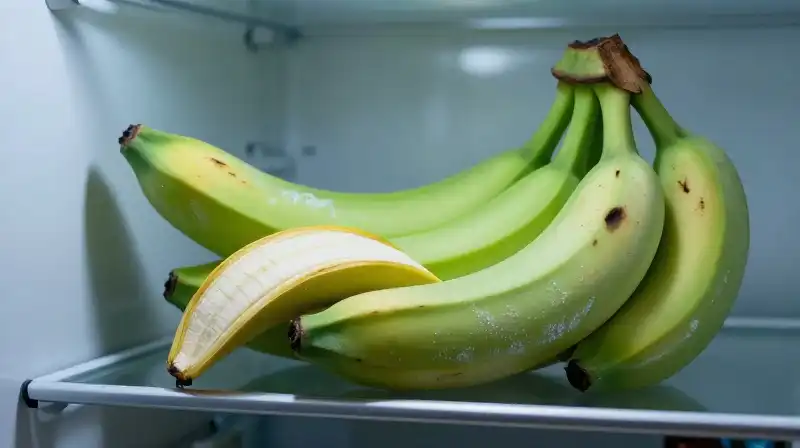
The debate over whether to refrigerate bananas is one of the most common food storage questions. There is no single definitive answer; the decision hinges entirely on your goal: do you want the fastest, sweetest, most flavorful banana possible for immediate consumption, or are you prioritizing maximum shelf life and preservation? While counter storage promotes natural ripeness, refrigeration serves as a powerful tool to slow down the biological clock. This guide clarifies the science of banana storage and offers practical strategies to choose the best method for your needs.
The Science Behind Banana Ripening and Cold Storage
Bananas are tropical fruit that ripen through a natural process driven largely by ethylene, a gaseous ripening hormone. When bananas are kept at room temperature, they are allowed to complete this natural cycle, resulting in optimal sweetness and texture. Cold storage interferes with this process in several ways. > The most immediate effect of refrigeration is the significant acceleration of peel browning. When enzymes are exposed to cold temperatures, the protective layer on the skin can be negatively impacted, causing the peel to darken much faster than in ambient conditions. However, this skin change does not necessarily correlate with internal spoilage. > While the cold temperature slows down the overall ripening process, it can also trigger enzymes responsible for rotting if exposure is prolonged. For this reason, if you are not planning to use them within a defined period, cold storage is a viable way to halt their current development.
Room Temperature vs. Refrigeration: A Comparison
The choice between the counter and the fridge requires understanding the trade-offs between flavor and longevity.
| Feature | Room Temperature (Counter) | Refrigeration (Fridge) |
|---|---|---|
| Ripening Speed | Fast and natural | Slowed down significantly |
| Internal Texture/Taste | Softer, sweeter, and deeper flavor | Firmer, starchier, and less ripe in taste |
| Peel Appearance | Gradual browning | Rapid and dramatic browning |
| Shelf Life (Unpeeled) | Moderate (ripen quickly) | Extended (can last up to a week) |
When to Choose Counter Storage
> Choose room temperature storage when your primary goal is flavor and texture suitable for immediate snacking or baking. The counter allows bananas to achieve full sweetness and a soft texture, making them ideal for soft applications like blending or baking into bread. This is the preferred method for those who enjoy the natural progression of the fruit’s ripening.
When to Choose Refrigeration
> Refrigeration is the superior choice when you need to preserve the banana in its current state to prevent it from becoming excessively overripe. It acts as a holding mechanism, allowing you to maintain firmness and extend the overall usable life. This method is practical for large purchases or when you anticipate a delay in consumption.
Practical Storage Strategies for Maximum Results
Beyond simply choosing the location, how you store the bananas makes a difference. These methods help control ethylene gas and maintain structural integrity.
Effective Counter Storage Techniques (Accelerating Ripeness)
> If you need your bananas to ripen quickly, use these methods to optimize the ripening environment:
- Wrap the bananas in a wet paper towel and cover them with tin foil to help trap moisture and slow down the *rate* of decline while accelerating overall sweetness.
- Use a metal hook to hang the bananas, which helps contain ethylene gas more effectively than a bowl.
Optimal Refrigeration Methods (Slowing Ripeness)
> If you are going to place them in the fridge, follow these guidelines to minimize quality loss:
- Wrap the bananas in paper towels first to absorb any excess moisture that could encourage mold.
- Place the wrapped bananas in a dark plastic bag or a drawer in the lower part of the refrigerator, as exposure to bright light and high temperatures can further degrade the fruit.
Addressing Specific Banana Storage Scenarios
Some situations require specialized advice, especially after the bananas are no longer pristine.
Can You Refrigerate Bananas After Peeling or Cutting Them?
> Yes, but with caveats. Once a banana has been peeled or cut, its sugars begin to undergo fermentation and spoilage faster. Refrigeration is highly advisable at this stage to significantly slow down this process and extend the usable life of the flesh.
How Long Do Bananas Last in the Fridge vs. On the Counter?
> On the counter, bananas ripen rapidly, often reaching their peak sweetness within a few days. In the refrigerator, unpeeled bananas can be maintained for up to a week, preserving their current stage of development. However, this duration is highly dependent on the freshness of the fruit upon entry and the humidity of the fridge.
What to Do If Bananas Are Overripe?
> If bananas reach a state of being excessively overripe and nearing spoilage, they should be moved to the freezer. Freezing is the most effective method for long-term preservation, allowing you to use them in smoothies, baking, or as ice cream bases without waste.
Decision Criteria for Your Storage Choice
To simplify the decision, use this practical framework based on your goal:
- Goal is Sweetness and Soft Texture (Immediate Snacking/Baking): Store on the counter, optionally utilizing the wet towel and foil wrap method.
- Goal is Longevity and Preservation (Saving for later): Refrigerate the unpeeled bananas in a dark, wrapped bag.
- Goal is Emergency Preservation (Preventing Waste): Freeze them once they have reached the desired ripeness, regardless of previous storage method.
Ultimately, while refrigeration helps maintain a firmer texture and extends shelf life, counter storage optimizes the banana’s natural development, resulting in the classic sweetness and ideal flavor. Knowing the difference between preserving a banana’s current state and accelerating its natural flavor is key to optimal banana management.
Frequently Asked Questions
How long does it take for a banana to go bad in the fridge?
Unpeeled bananas can be maintained in the refrigerator for up to a week, which preserves their current stage of development and extends their usable life. While cold storage slows the ripening process, prolonged exposure can still trigger enzymes responsible for internal spoilage.
How to Store Bananas in the Refrigerator to Slow Ripening
Prepare the Bananas
Wrap the bananas in paper towels first to absorb any excess moisture that could encourage mold.
Store the Bananas
Place the wrapped bananas in a dark plastic bag or a drawer in the lower part of the refrigerator, as exposure to bright light and high temperatures can further degrade the fruit.
Related Articles