

Dr. Emily Foster
Science & Nature Editor
Science researcher with a Ph.D. in Natural Sciences, passionate about uncovering bizarre phenomena hidden in the natural world.
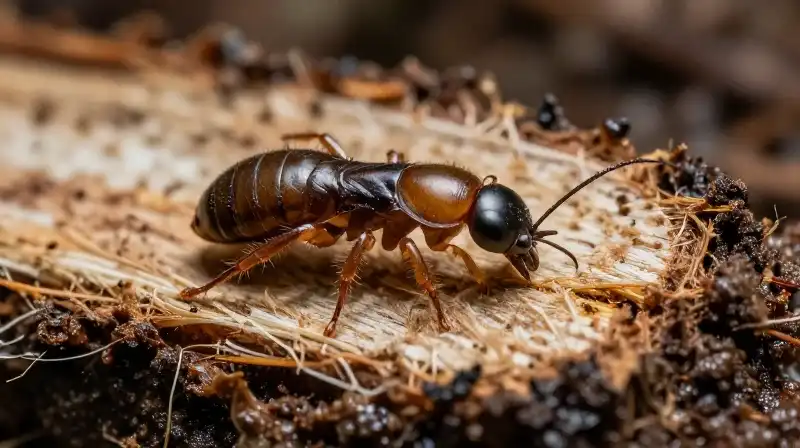
Why Do Termites Eat Wood? The Science of Their Cellulose Diet
Discover the science behind termite eating wood. Learn about the cellulose diet, symbiotic microbes, and key risk factors to prevent infestations in your home.
874 words
|
4 minutes
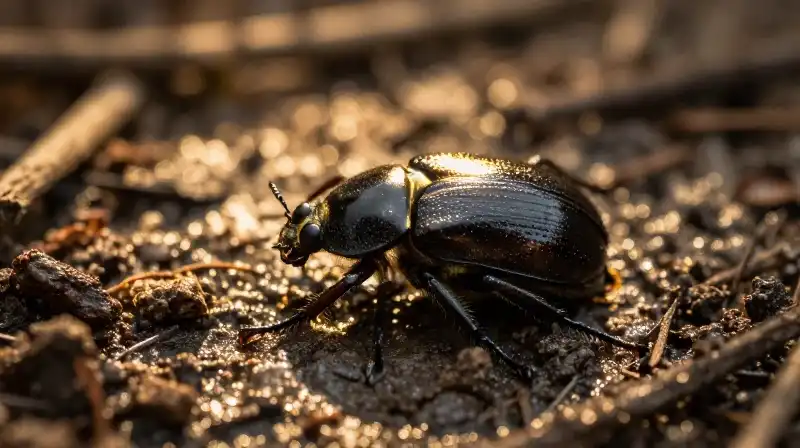
Why Insects Die on Their Backs: The Science Behind the Roll of Death
Why do insects die on their backs? Explore the biological and environmental reasons behind the roll of death, including neurotoxins and muscular failure.
861 words
|
4 minutes
Dry Erase Markers: What They Are, How They Work, and Where to Use Them
Discover what a dry erase marker is and how it works. Learn how silicone ink allows for temporary, high-contrast writing on whiteboards, glass, and more.
873 words
|
4 minutes

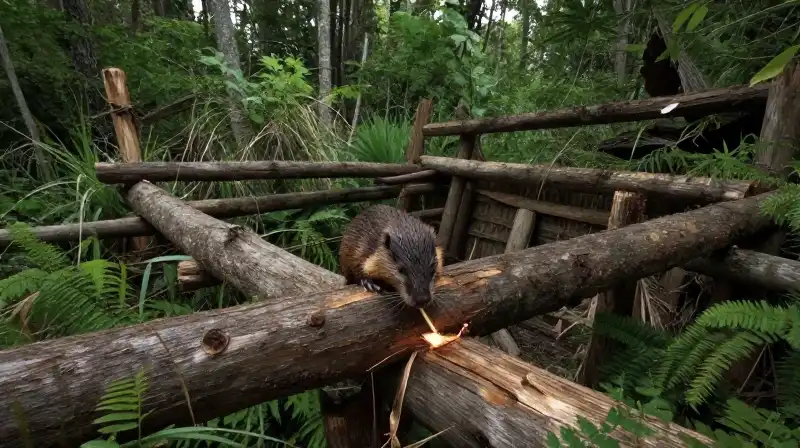
Why Do Beavers Chew Wood? Teeth, Diet, and Ecosystem Building
Why do beavers chew trees and wood? Learn about the biological need for dental maintenance, their diet, and how they engineer wetlands.
840 words
|
4 minutes
How Wireless Chargers Work: The Science of Magnetic Induction
Discover the physics of wireless charging. Learn how magnetic fields transfer electrical current through induction to power your modern smartphone.
870 words
|
4 minutes

Ale vs. Lager: Why the Brewing Process Changes Your Beer
Learn the key differences between ale and lager. Discover how temperature and yeast selection shape the flavor, aroma, and texture of every beer.
840 words
|
4 minutes

Infer vs Assume: Deciphering Logic and Premise
Learn how to distinguish between making a logical inference and accepting an unstated assumption when analyzing arguments and texts.
1007 words
|
5 minutes

Espresso vs Latte: Understanding Concentration and Composition
Espresso vs. Latte: Learn how their composition, concentration, and specific ratios create a difference in flavor, texture, and caffeine.
809 words
|
4 minutes