
Dr. Emily Foster
Science & Nature Editor
Science researcher with a Ph.D. in Natural Sciences, passionate about uncovering bizarre phenomena hidden in the natural world.
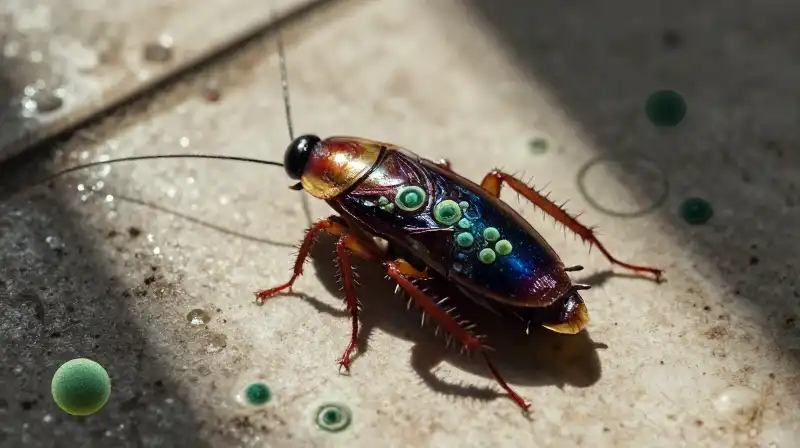
Are Cockroaches Dirty? How They Become Vectors for Germs
Discover why cockroaches are health risks. Learn how they carry bacteria, viruses, and filth as vectors, plus essential prevention steps.
878 words
|
4 minutes
Canada vs. US: Who is Geographically Bigger by Land Area?
Discover if Canada is bigger than the US. Compare land area, population, and key resource distribution in both countries.
676 words
|
3 minutes

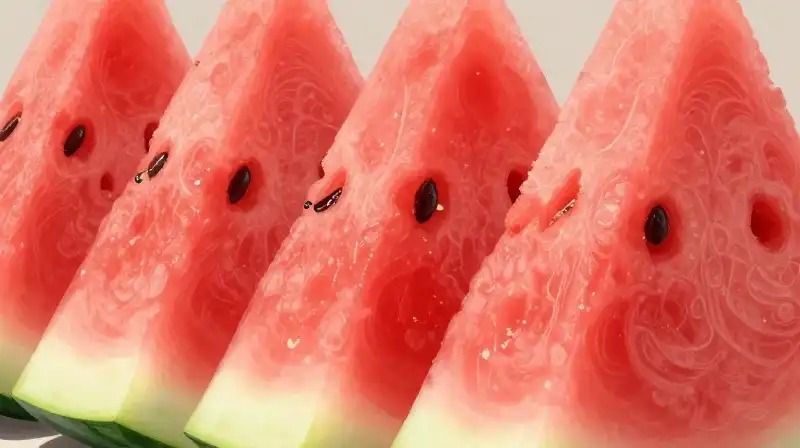
What Color Is Watermelon? Red, Pink, Yellow, and Beyond
Learn why watermelon colors vary. Explore the genetics behind traditional red flesh and modern pink, yellow, and orange specialty varieties.
845 words
|
4 minutes
Amps or Volts: What Truly Kills You in an Electric Shock?
Amps or Volts? We reveal what truly kills you in an electric shock, explaining why current (Amperage) is the primary cause of lethal injury.
755 words
|
4 minutes

Lab Grown Diamonds: Why They Pass the Diamond Tester
Do lab grown diamonds pass the tester? See why they are indistinguishable via standard tests, and what experts use for origin verification.
933 words
|
5 minutes

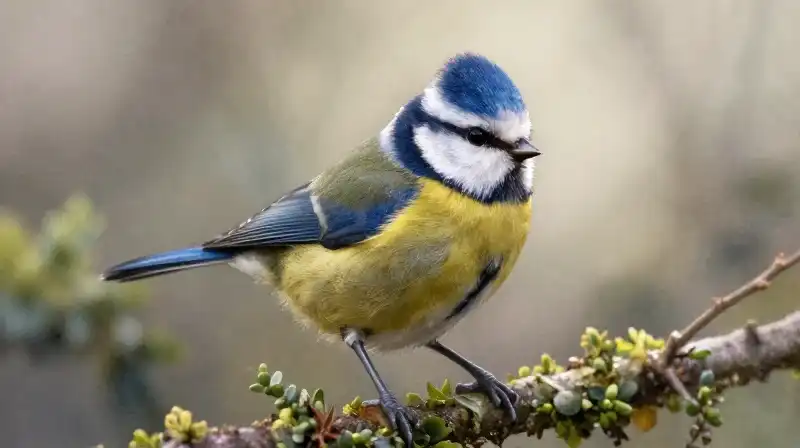
What Time Do Birds Wake Up? The Science of Dawn Chorus
Learn when birds wake up and start singing. Explore the science behind the dawn chorus, including how environment, season, and human routines affect wild and pet bird schedules.
730 words
|
4 minutes
Why Do Chickens Lay Eggs Daily? Understanding Continuous Production
Discover the scientific and agricultural reasons why hens lay eggs daily, examining genetics, hormone cycles, and farming techniques.
1049 words
|
5 minutes
Why Are Dragonflies Called Dragonfly? Unpacking the History and Science
Discover the dual origins of the name dragonfly: from ancient myths about their aggressive nature to the scientific Greek term for their unequal wings.
840 words
|
4 minutes