Why Do Termites Eat Wood? The Science of Their Cellulose Diet

Introduction
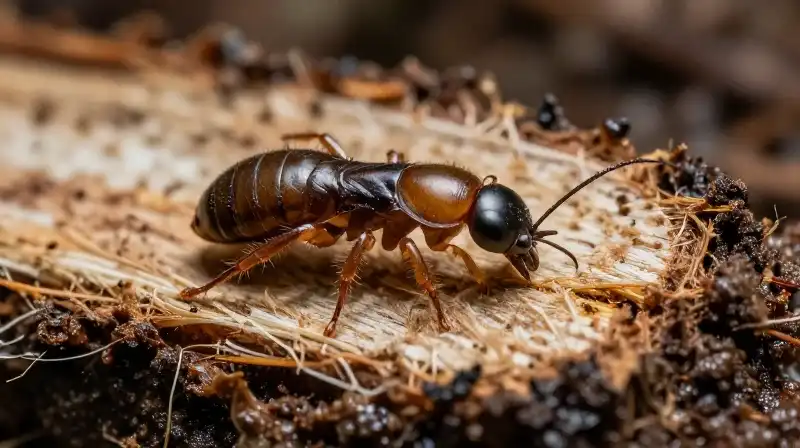
Termites eat wood because wood represents their primary, energy-dense food source: cellulose. To a termite, wood is not just a building material; it is the essential fuel required to sustain the complex, organized life of their colony. While the act of chewing wood might look simple to the untrained eye, the underlying reason is a sophisticated biological necessity. They are not simply choosing wood because it is available; they are seeking a specific organic compound—cellulose—which provides the necessary nutrients and life-sustaining energy that drives their growth and reproduction.
The Science of the Cellulose Diet
The fundamental reason for their wood consumption lies in what cellulose is. Cellulose is a natural, fibrous organic polymer found extensively in plant cell walls, including all wood, grasses, and even many paper products. It serves as the primary source of nutrition for the termite colony. However, cellulose is extremely difficult for insects to digest on their own.
Termites overcome this biological hurdle through a crucial symbiotic relationship. They host specific microorganisms—including bacteria and protozoans—within their digestive systems. These microbes are equipped with specialized enzymes that act as powerful decomposers, breaking down the complex cellulose fibers into simpler, digestible sugars. In essence, the microbes are the power plant, allowing the termite to utilize the massive amounts of energy locked within the wood. Without this microbial partnership, the termites could not subsist on wood.
Why Structural Wood is a Preference
Termites primarily target structural wood elements, such as studs, beams, and framing, for two interwoven reasons: sustenance and security.
- Resource Access: Because these elements are part of the building’s core structure, they provide a continuous and ample supply of the cellulose they need to feed an extensive colony.
- Safety and Microclimate: Wood provides a shielded, protected environment deep within a structure. Since termites are often nearly blind and flightless, this interior refuge shields them from much larger predators and helps them regulate their internal colony microclimate by managing temperature and humidity through waste and body heat.
Environmental Triggers and Wood Preference
Termites do not attack all wood with equal enthusiasm. Their feeding habits are heavily influenced by the wood’s condition. They exhibit specific preferences that dictate where and when an infestation will occur.
They are heavily attracted to wood that is:
- Moist or Decaying: Water exposure softens wood, making it significantly easier for their specialized jaws to chew and consume. Damp or decaying wood is a prime target.
- Softwood or Springwood: Different species target different densities. For example, some species prefer soft fibers, while others, like drywood termites, focus on consuming dry, dense structural timbers.
Furthermore, while many termites rely exclusively on wood, they show a willingness to consume other cellulose-based materials if needed. This includes paper, cardboard, various plant-based fibers, and even some soft insulation materials. However, untreated wood is always more susceptible to infestation than wood treated with chemical preservatives, which often makes the surface tougher and unpalatable to the pests.
Distinguishing Feeding Strategies
Not all termites feed identically. Understanding the specialized types helps clarify why they are destructive in different parts of a home or natural environment.
| Termite Type | Primary Target | Behavioral Focus |
|---|---|---|
| Subterranean Termites | Soft fibers and moisture | Require contact with soil and damp areas; often build tunnels. |
| Drywood Termites | Dry, solid structural timbers | Live entirely within the wood they consume; require less moisture. |
| Dampwood Termites | Moist, dead wood | Seek out rotting or heavily water-damaged timber. |
What Else Do Termites Eat? Expanding the Diet
While cellulose is the cornerstone of their diet, the concept of “wood” is broad. Termites are voracious consumers of any material containing organic fibers. This means if you observe damage, it is possible they are consuming materials other than structural lumber.
In addition to traditional wood sources, their diet includes:
- Plant Materials: Grass, leaves, and other garden fibers.
- Household Goods: Cardboard packaging, paper, and some types of insulation.
- Other Engineered Materials: Certain plaster and non-sealed fibrous materials can be consumed as they break down their structural components.
However, their relentless need for this high-energy cellulose makes wood—particularly in a home setting—the most convenient and high-value food source, leading to substantial, often hidden, structural damage over long periods.
Identifying Risk and Preventing Damage
Because termites thrive in protected environments deep within a structure, infestations can go unnoticed for extended periods. Recognizing their biological needs is the first step in preventing costly repairs.
When assessing the risk of termite damage, consider the following factors:
- Moisture Levels: Termites are drawn to moisture. Controlling leaks and maintaining proper ventilation is critical, as damp wood is irresistible.
- Material Treatment: Untreated lumber and wood that has become aged or decay are high-risk zones.
- Signs of Activity: Look for mud tubes (subterranean), wood fragmentation, and discarded cellulose material near the infestation site.
Understanding the biology—that they are simply converting complex plant material into energy—allows for targeted mitigation. Prevention hinges on eliminating their preferred food source (untreated, moist wood) and disrupting their safe, protected environment.
Synthesis: The Necessity of Intervention
In summary, the reason termites eat wood is purely a function of their specialized biology and their need for energy. Wood provides the cellulose, and their unique symbiotic microbes provide the digestive mechanism. They target structural wood because it offers a continuous, safe, and reliable supply of this essential nutrient. Recognizing this dietary dependency allows homeowners to shift focus from simple pest control to strategic environmental management: maintaining dryness, protecting vulnerable wood elements, and ensuring that the structural integrity of the building remains intact to deny the termites their preferred and necessary food source.
How to Assess and Prevent Termite Damage
Check Moisture Levels
Controlling leaks and maintaining proper ventilation is critical, as termites are strongly drawn to moisture and damp wood is irresistible.
Evaluate Material Treatment
Assess lumber and wood for being aged or decaying, as untreated wood and decaying material are high-risk zones for infestation.
Look for Signs of Activity
Look for evidence of their presence, including mud tubes (typical of subterranean termites), wood fragmentation, and discarded cellulose material near the infestation site.
Related Articles