Corned Beef Color Explained: How Nitrites Change Myoglobin

Introduction
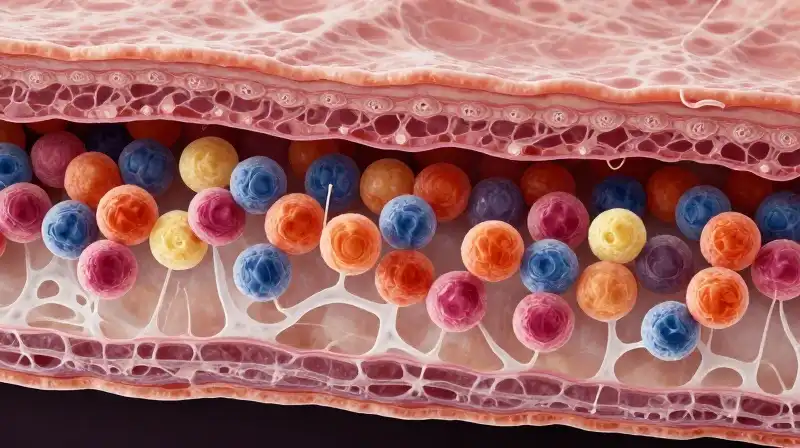
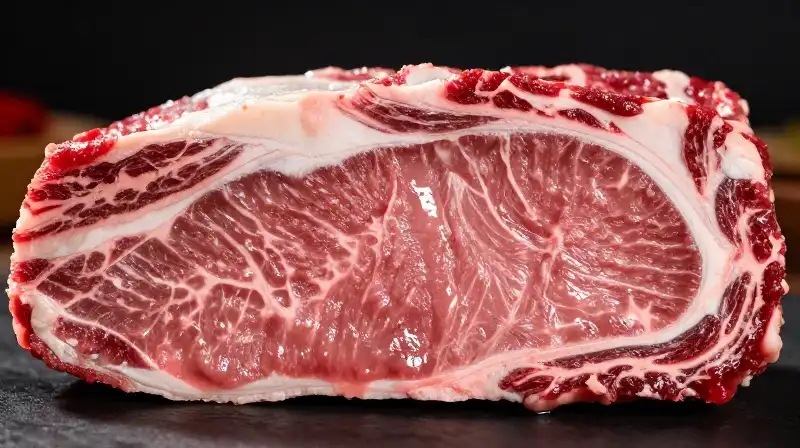
The characteristic deep pink or reddish hue of corned beef is the result of a specific and sophisticated chemical interaction between the muscle proteins in the beef and specialized curing agents. Contrary to simple guesswork, the vibrant color is not merely a spice, but a precise molecular transformation. The most common ingredient responsible for this distinctive look is sodium nitrite, a component of curing salts. When this chemical agent meets the myoglobin—the protein that naturally stores oxygen within the beef tissue—it triggers a reaction that produces a new, colored molecule, transforming the meat’s natural appearance.
The Chemistry Behind the Red Color
To understand why corned beef looks the way it does, it is essential to identify the key players: myoglobin, oxygen, and nitrites. Myoglobin is a globular protein found naturally in beef muscle tissue. Its primary natural function is to bind and store oxygen, which is what makes raw meat look brownish-red or maroon. However, without intervention, the color of beef tends to shift over time.
The transformation to pink or red occurs when sodium nitrite is added during the curing process. Nitrite acts as a powerful agent that reacts with the myoglobin. This chemical reaction alters the structure of the myoglobin, changing its state from its natural form into a molecule called Nitrosomyoglobin. It is this specific molecule, Nitrosomyoglobin, that is chemically responsible for imparting the signature bright red or pink color to the meat.
Beyond Color: The Functional Role of Sodium Nitrite
While the visual appeal is often the first thing noticed, the use of sodium nitrite extends far beyond simply coloring the meat. This additive performs several critical functions that are integral to the preservation and quality of corned beef, giving it the unique texture and safety profile associated with the dish.
- Color Fixation: Nitrites are superb color fixatives. This means they stabilize the red pigment, ensuring that the meat maintains its vibrant hue even after it has been cooked at high temperatures.
- Safety and Preservation: Nitrite is a critical antimicrobial agent. It helps inhibit the growth of harmful bacteria, such as Clostridium botulinum, making the cured meat safe for consumption while giving it a long shelf life.
- Texture and Flavor: Beyond safety, the addition of the nitrite contributes to the specific “cured” texture and mouthfeel of corned beef, providing the characteristic robustness that consumers expect from the dish.
Red vs. Grey: Comparing Curing Methods
The distinction between the bright red corned beef found in many markets and the grey corned beef sold in traditional styles (often labeled as New England-style) lies entirely in the curing process. These varieties offer different flavor profiles and visual characteristics.
| Curing Style | Key Agent | Appearance (Cured/Cooked) | Flavor Profile Note |
|---|---|---|---|
| Red Cured Beef | Sodium Nitrite | Bright Pink/Red | Intense, classic cured flavor due to Nitrosomyoglobin. |
| Traditional/Grey Beef | Salt and Spices Only | Grey/Brown (Natural beef color) | Many consumers report a richer, more natural beef flavor. |
When meat cures strictly with salt and spices without sodium nitrite, the myoglobin is never chemically altered. Consequently, when traditional corned beef is cooked, it reverts to its natural state, displaying the grey, brownish tones similar to regularly cooked beef. The presence or absence of sodium nitrite is the definitive factor determining whether the corned beef is red or grey.
Safety and Consumption Considerations
It is prudent to understand that while sodium nitrite is essential for preserving the meat and its characteristic color, it is an additive that requires careful handling and preparation, particularly in home cooking.
When preparing corned beef, avoid cooking it at excessively high, sudden heat, such as pan-frying quickly or microwaving intensely. High, sudden temperatures can lead to the formation of compounds that should be avoided. The safest way to consume cured corned beef is by gentle, moist cooking methods, such as slow simmering in broth or baking in a moist environment, which allows the meat to heat through gradually.
Practical Takeaways for Curing Selection
When choosing corned beef, understanding the curing agents allows you to make informed decisions based on your preference for flavor, traditional methods, or specific dietary requirements.
- Understand the Purpose: The red color is functional. Sodium nitrite is not merely decorative; it is a preservation agent and color fixative.
- Evaluate Texture: The nitrites contribute to the specific texture of corned beef. If you prefer a meat texture closer to a simple roast, the grey, nitrite-free options may appeal to you.
- Check the Label: If you are sensitive to specific additives, carefully review the ingredient list. Choosing a “traditional” or “New England-style” product may signal the absence of sodium nitrite.
Conclusion
The vibrant color of corned beef is a sophisticated biological and chemical feat, achieved through the interaction between the natural oxygen-binding protein, myoglobin, and the added nitrites. Whether you prefer the intense red of a nitrite-cured product for its rich, cured flavor and stable color, or the grey hue of a traditional, spice-cured version for its perceived natural taste, the key to choosing your preferred cut is recognizing the role these curing agents play in the final product.
Frequently Asked Questions
Why does corned beef look red?
The characteristic red hue of corned beef is the result of a chemical interaction between specialized curing agents, like sodium nitrite, and myoglobin, the protein that stores oxygen in beef tissue. This reaction transforms the myoglobin into a molecule called Nitrosomyoglobin, which is responsible for the meats signature bright pink or red color.
How to Safely Cook Cured Corned Beef
Avoid high, sudden heat
Do not cook the corned beef at excessively high, sudden temperatures, such as pan-frying quickly or microwaving intensely, as this can lead to undesirable compound formation.
Select gentle, moist cooking methods
The safest way to consume cured corned beef is by using gentle, moist cooking methods to ensure the meat heats through gradually.
Use specific cooking techniques
Appropriate techniques include slow simmering in broth or baking the meat in a moist environment.
Related Articles