
Tattoo Permanence Explained: The Biology of Dermal Ink

Introduction
The enduring nature of a tattoo is not a matter of magical longevity, but a direct consequence of the fundamental anatomy of the skin and the biology of the immune system. The central question—how tattoos are permanent—is rooted in where the pigment is deposited and how the body processes foreign materials. Ink is introduced far deeper than the surface layer, ensuring it bypasses the skin’s natural shedding cycle.
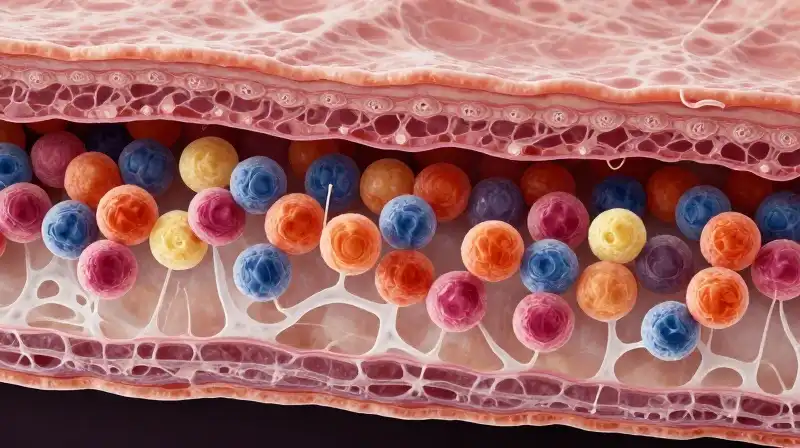
This process places the pigment within the dermis, the thick, fibrous layer of the skin. To understand tattoo permanence, one must examine the interaction between this deep dermal layer, the molecular structure of the pigments, and the body’s specialized defense mechanisms, primarily the macrophages.
The Dermal Barrier: Why the Epidermis Fails to Remove Ink
To appreciate tattoo permanence, it is first necessary to distinguish between the epidermis and the dermis. The epidermis is the outermost layer of skin; it is constantly renewing and shedding, a process known as desquamation. If ink were deposited here, it would naturally be eliminated as the skin cells sloughed off.
However, during the tattooing process, a needle punctures the epidermis and inject pigment into the dermis. The dermis is a complex, semi-permanent structure consisting of dense connective tissue. The ink particles, which are significantly larger than the epidermal cells, become “locked” within this durable matrix. Because the dermis does not continuously shed like the epidermis, the ink remains stable and visually intact for years.
This deep placement is the primary reason tattoos stay in the skin; the natural biological mechanism designed to clear surface debris cannot reach or remove pigments lodged within the dermal structures.
Immune Response and Pigment Sequestration
The moment ink is deposited into the dermis, the body recognizes it as a foreign entity, triggering an immune response. The skin begins to treat the ink as an invader, relying on specialized white blood cells known as macrophages. These macrophages are “big eaters”—immune cells tasked with engulfing and breaking down foreign materials.
The permanence of the tattoo relies on the fact that these immune cells cannot fully complete their mission. When macrophages encounter the heavy metal-based pigments, they attempt to encapsulate them within specialized sacs called phagolysosomes, using enzymes to digest the foreign substance. However, tattoo pigments are often chemically complex and highly resistant to the digestive processes of these macrophages. Instead of being dissolved and expelled, the pigment is largely contained within the dead or dying macrophage, sequestered within the dermal tissue.
In some instances, macrophages may form a cellular wall around the pigment, effectively trapping it. This sequestering action prevents the body from breaking down the ink into soluble components that could be filtered out by the lymphatic system, ensuring the pigment remains visible within the skin structure.
Mechanism of Fading and Laser Removal
Although ink is deeply lodged, tattoos are not immortal. The subtle changes in appearance—fading or “fading”—are often attributed to factors like solar degradation and the natural, albeit slow, death of surrounding immune cells.
Ultraviolet light from the sun initiates a process where pigment molecules are broken down into smaller, microscopic particles. These dispersed, fragmented particles are finally small enough to be slowly eliminated by macrophages and other cellular cleanup processes. This explains why tattoos tend to dim over decades.
How Laser Tattoo Removal Works:
Tattoo lasers do not pull the ink out; they physically alter it. The technology uses targeted wavelengths of high-energy light to penetrate the dermis and heat the ink particles, causing them to shatter into incredibly small fragments. These newly created micro-particles are significantly easier for the body’s immune cells to recognize and absorb through their natural filtering processes. Because the body continually cycles through immune cell activity, removal requires repeated sessions and is never a single, immediate event.
Addressing Common Concerns About Longevity and Safety
Certain common questions relate to the timeline of tattoo permanence and their long-term impact. It is important to maintain a scientifically grounded perspective on these topics.
| Topic | Biological Reality |
|---|---|
| Do tattoos last after death? | Yes. Since the ink is lodged deep in the dermis and not subject to surface cell turnover, the pigment remains physically present and can be observed in tissue samples. |
| Are tattoos bad for you? | The primary risks relate to the infection during the initial application process rather than the ink itself. While some pigments (including heavy metals) are known to interact with biological systems, the established medical consensus focuses on the quality of the tattoo and hygiene protocols. |
| Can tattoos be removed? | Yes, professional removal is possible through processes like laser treatment. However, this is a chronic treatment that requires specialized medical care and time, not a simple procedure. |
Navigating the Reality of Tattoo Maintenance
Because the permanency of the tattoo is based on pigment stability within the dermis, maintenance involves managing external factors that encourage fading. For those concerned about the longevity of their artwork, understanding practical steps is crucial:
The following criteria help preserve the clarity of tattooed skin:
- Solar Protection: The most significant factor contributing to early tattoo fading is UV exposure. Regular use of high-SPF sunscreen on tattooed areas mitigates solar degradation.
- Topical Care: Maintaining skin health and hydration helps the skin remain resilient against environmental stressors.
- Professional Removal Limits: If complete removal is desired, seek licensed dermatologists who can assess the depth of the ink. Note that the ability of laser therapy to clear ink is highly dependent on the specific chemical composition and size of the pigment particles.
Tattoos remain permanent because of a sophisticated interplay between deep dermal anchoring and the incomplete digestion of heavy metal pigments by the immune system. While the initial trauma creates the permanent image, the gradual dispersion of pigment particles over time—accelerated by sunlight—means that these markings require conscious effort to preserve or professional intervention to reverse.
How to Maintain Tattoo Longevity
Solar Protection
Apply high-SPF sunscreen regularly to tattooed areas to mitigate UV exposure and prevent solar degradation of the ink.
Topical Care
Maintain good skin health and adequate hydration to ensure the skin remains resilient against environmental stressors.
Professional Assessment
If complete removal is desired, seek a licensed dermatologist to assess the depth of the ink and the feasibility of laser therapy.
Related Articles