Do Plastic Water Bottles Expire? Safety and Shelf Life Explained

Introduction
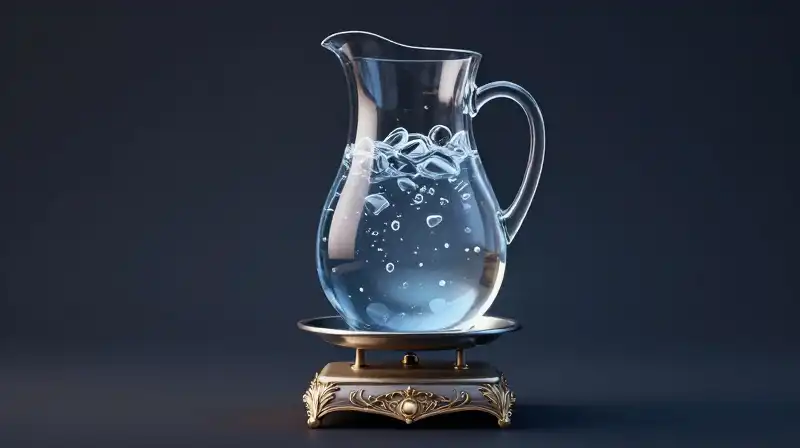
The question of whether plastic water bottles expire is a complex one that hinges on the distinction between biological spoilage and material degradation. From a purely scientific standpoint, water (H2O) does not have a shelf life; it cannot rot or biologically spoil. However, the container—the plastic bottle itself—can change over time, particularly under adverse environmental conditions, which can compromise the water’s quality and safety. The definitive answer is that sealed, properly stored bottled water does not “expire” in the traditional sense, but its taste and purity can be affected by prolonged exposure to heat, light, and improper storage.
Understanding the “Best By” Date
It is crucial to understand that the expiration date printed on most bottled water is typically a “best-by” date, not a strict safety deadline. Unlike perishable food items such as milk or meat, this date is primarily a manufacturer’s recommendation regarding peak flavor and the guaranteed integrity of the seal under ideal conditions. The FDA has historically stated that there is no mandatory shelf life for bottled water. The date serves as a marker for optimal quality rather than a chemical or microbiological limit. This date helps consumers gauge when the manufacturer believes the water will provide the best sensory experience. For many regions, dating requirements are enforced on various consumables generally to ensure consumer awareness, regardless of whether the product physically spoils within that timeframe.
Does Water Ever Biologically Spoil?
Water is an incredibly stable compound. Unless it is exposed to contaminants or micro-organisms, it will not biologically “go bad” or rot. The primary risk to water comes not from the water molecules themselves, but from the environment and the container. The only way water biologically spoils is if it becomes contaminated, allowing bacteria or mold to grow. However, a sealed, high-quality plastic container offers a barrier against this contamination. Therefore, the focus shifts from biological decay to the chemical stability of the container and the potential for environmental degradation.
The Science of PET Degradation and Leaching
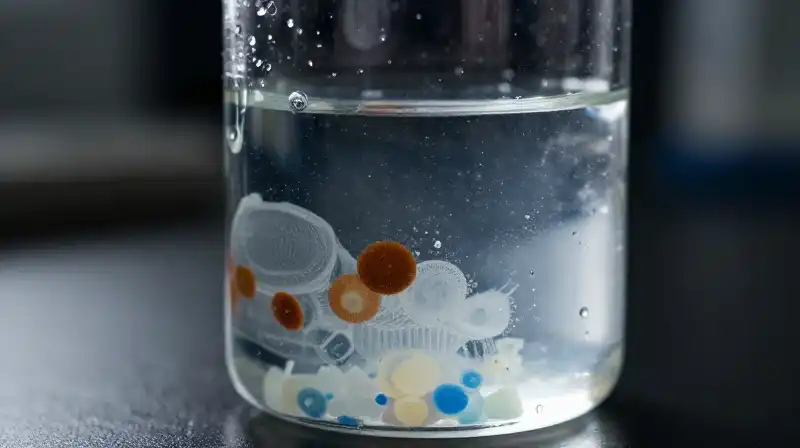
The most significant factor in the lifespan of bottled water is the physical integrity of the packaging, particularly the Polyethylene Terephthalate (PET) plastic used in most disposable bottles. While PET is a highly durable and recyclable plastic, it is not immune to change. Over extended periods, PET is susceptible to degradation, a process primarily accelerated by environmental stressors:
- Heat Exposure: High temperatures can stress the plastic structure.
- UV Light: Direct exposure to sunlight can break down the polymer chains in the plastic.
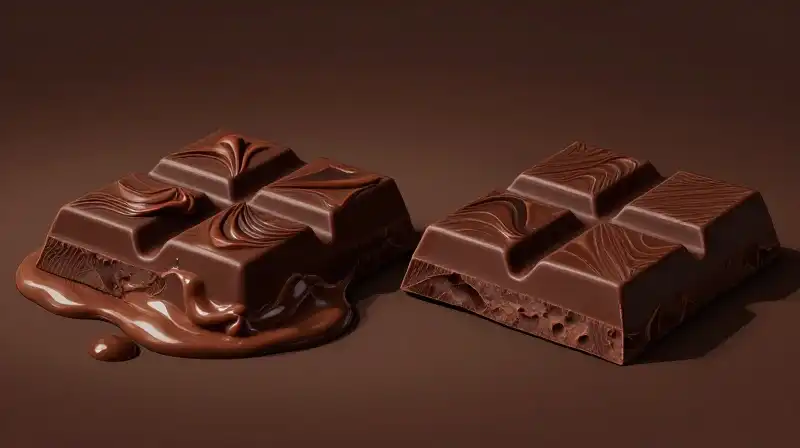
- Physical Stress: Repeated temperature fluctuations or freeze-thaw cycles can weaken the bottle structure.
When the PET plastic begins to break down, chemicals or plasticizers used in the material can potentially begin to leach into the water. This leaching does not necessarily make the water toxic immediately, but it can alter the water’s chemical composition, leading to an unpleasant smell or unusual taste.
When Should You Be Concerned About Plastic Water Bottles?
The safety and quality of your bottled water are significantly influenced by where and how long it is stored. Several factors can signal that the water’s quality has diminished, regardless of the printed date.
Signs of Compromised Quality:
- Unusual Taste: If the water tastes chemically or “off,” it may indicate plastic leaching or staleness.
- Smell: An unexpected musty or chemical odor suggests degradation or potential contamination.
- Physical Damage: Signs of stress, such as cloudiness or bubbles, can indicate a compromised seal or degradation.
A key differentiator from biological spoilage is that when water tastes “off” due to container degradation, the issue lies with the packaging, not microbial growth.
Practical Guide to Safe Storage and Handling
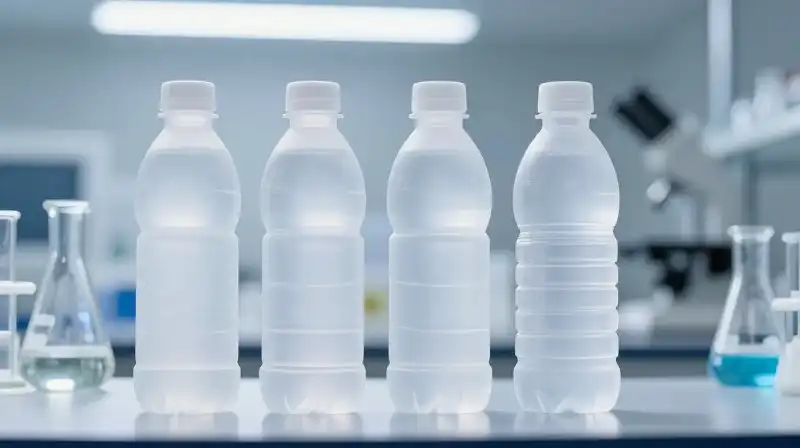
To maximize the quality and longevity of your supply, proper storage is the most critical element. Optimal storage conditions mitigate the environmental factors that cause PET degradation.
Best Practices for Bottled Water:
- Cool and Dark Placement: Always store bottles in a cool, dark environment, away from direct sunlight or heat sources like a hot engine bay.
- Stable Temperature: Avoid areas prone to extreme temperature fluctuations or repeated freeze-thaw cycles, which can damage the bottle structure.
- Maintain Seal Integrity: Ensure the bottle is always kept hermetically sealed. If the seal is compromised, outside contaminants or stale air can rapidly affect taste and purity.
For emergency preparedness, store stock in stable, cool locations and practice rotation to ensure you consume older supplies first, regardless of the “best-by” date.
Evaluating Alternatives for Long-Term Storage
If you require a supply of clean water for extended periods, the choice of container plays a role in durability and quality over time.
Comparison of Storage Materials:
| Material | Chemical Stability | Temperature Sensitivity | Longevity of Quality |
|---|---|---|---|
| Plastic (PET/HDPE) | Moderate (Degrades under heat/UV) | High (Susceptible to stress) | Good, when stored cool and dark. |
| Glass | Very High (Inert) | Low | Excellent, virtually impervious to leaching. |
| Metal (Stainless Steel) | High (Inert) | Moderate | Excellent, non-leaching and durable. |
While plastic is convenient, materials like glass and stainless steel offer superior inert qualities and greater resistance to environmental degradation over very long timeframes.
Conclusion: Prioritizing Quality and Safety
In summary, bottled water does not biologically expire. The primary shelf-life concerns relate to the integrity of the PET container and the water’s sensory quality being affected by external factors. The printed expiration date is a quality suggestion, not a safety mandate. To ensure the water remains safe and tastes fresh, focus on controlling storage conditions: keep the bottles sealed, cool, and shielded from heat and UV light. When in doubt, if the water smells or tastes unusual, discard it, as this is the most reliable signal of container degradation.
Frequently Asked Questions
Is it bad to use old plastic water bottles?
Old plastic bottles are not biologically harmful, but the PET plastic can degrade over time due to environmental stressors like heat or UV light, potentially allowing chemicals to leach into the water. If the water smells or tastes unusual, you should discard it as this signals container degradation.
Best Practices for Safe Storage and Handling of Bottled Water
Cool and Dark Placement
Always store bottles in a cool, dark environment, away from direct sunlight or heat sources like a hot engine bay.
Stable Temperature
Avoid areas prone to extreme temperature fluctuations or repeated freeze-thaw cycles, which can damage the bottle structure.
Maintain Seal Integrity
Ensure the bottle is always kept hermetically sealed. If the seal is compromised, outside contaminants or stale air can rapidly affect taste and purity.
Related Articles