
Aluminum Decomposition Time: The Real Lifespan of Waste

Introduction
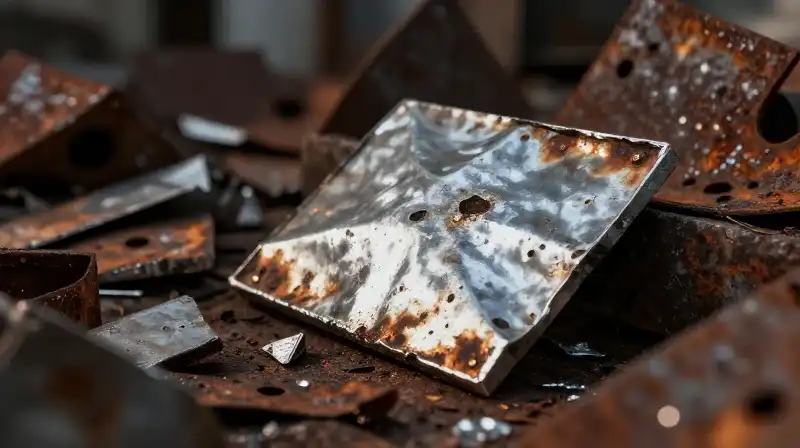
The concept of “decomposition” for aluminum is highly misleading. Unlike organic matter that breaks down into compost, metals do not biologically decay. Instead, when aluminum is discarded in a landfill, it undergoes a process of **oxidation**—a chemical reaction with the elements in its environment. While the typical lifespan cited for a single aluminum can is around 250 years, the actual longevity depends on the chemical environment, the thickness of the item, and the specific type of oxide layer that forms. Understanding this lifespan is critical because it determines the urgency of proper waste management and environmental stewardship.
The Science of Aluminum Oxidation
Aluminum’s incredible durability is due to its molecular structure. When exposed to oxygen and moisture in the landfill, aluminum reacts to form a protective layer called alumina (). This layer is extremely stable and chemically resistant. The process works like this:
- Surface Reaction: Aluminum reacts with oxygen in the environment.
- Layer Formation: This reaction forms a hard, stable oxide layer (alumina) on the surface.
- Stability: This layer is highly resistant to further breakdown, meaning the metal itself is not “eroded” away in a manner similar to how wood rots.
Because the aluminum essentially changes from its metallic state into a geologically stable mineral form, it blends into the surrounding soil and rock over extended periods rather than truly decomposing.
Aluminum Lifespan Versus Other Common Materials
To put the 250-year timeline into perspective, it is useful to compare aluminum to other ubiquitous waste materials. The vastly different decomposition rates highlight why materials selection matters greatly for waste reduction.
| Material | Decomposition/Degradation Time | Primary Process | Key Environmental Issue |
|---|---|---|---|
| Aluminum Can | Approximately 250 years | Oxidation (Chemical) | High volume, non-biodegradable |
| Plastic Bottle/Bag | 450 to 1,000+ years | Fragmentation/Photo-degradation | Chemical inertness, microplastic formation |
| Glass Bottle | Up to 1 million years | Fragmentation/Physical weathering | Volume, lack of chemical breakdown |
| Leather Shoe | Around 40 years | Biological breakdown (aided by chemicals) | Chemical leaching (tanning agents) |
| Styrofoam Cup | Effectively never | No viable biological or chemical pathway | 95% air content, extreme persistence |
Factors Influencing Decomposition Rate in Landfills
The estimated 250 years is an average; the actual speed of oxidation and breakdown depends entirely on the specific conditions within a landfill. These factors dictate how quickly the environmental elements interact with the material.
- Soil Acidity (pH): The presence of acidic substances can accelerate the corrosion of metals, including aluminum. Highly acidic environments increase the rate of chemical breakdown.
- Moisture and Oxygen: While oxidation requires oxygen, the presence of excessive moisture and specific microbial action (though not sufficient for metal decay) influences the overall waste chemistry.
- Toxicity of Contaminants: Items like batteries, which take about 100 years to decompose, pose a severe risk because they release toxic metals (such as lead or cadmium) into the soil and groundwater, regardless of the material’s physical breakdown speed.
The Practical Imperative of Recycling
Since the lifespan of materials like aluminum is measured in centuries, relying on landfill disposal is a massive, long-term environmental liability. The practical solution is focused on prevention and resource management. Recycling aluminum offers significant benefits that directly combat its persistence in landfills:
- Energy Savings: Recycling aluminum requires up to 95% less energy than manufacturing new aluminum from raw bauxite ore, drastically reducing greenhouse gas emissions.
- Resource Conservation: It prevents the need for intensive mining operations, which are disruptive to natural habitats.
- Time Reduction: Reintegrating the material into the economic cycle prevents it from occupying landfill space for hundreds of years.
Prioritizing Sustainable Disposal Strategies
When dealing with highly durable materials, the decision is not between “fast” and “slow” decomposition, but between “circular economy integration” and “permanent environmental persistence.” If an item is aluminum, glass, or high-density plastic, recycling is the only viable strategy to shorten its ecological impact. For materials that are chemically unstable or toxic (like batteries), the critical step is proper hazardous waste disposal, preventing contamination. Finally, for materials like Styrofoam that lack any natural degradation pathway, reduced consumption is the only effective action. The practical takeaway is that managing waste for materials with extremely long lifespans requires a shift from relying on nature to clean up our messes, toward utilizing industrial systems designed to reuse those materials before they can contribute to long-term contamination.
Frequently Asked Questions
How long does it take a single aluminum can to decompose in a landfill?
A typical single aluminum can is cited to have a lifespan of around 250 years in a landfill. While this is an average estimate, the actual longevity depends on the chemical environment, the thickness of the can, and the specific oxide layer that forms.
How to prioritize sustainable disposal for durable materials
Identify the material
First, determine if the item is made of aluminum, glass, high-density plastic, a chemically unstable substance, or a material like Styrofoam that lacks natural degradation.
Recycle durable materials
If the item is aluminum, glass, or high-density plastic, recycle it to integrate the material into the circular economy and prevent long-term persistence in landfills.
Manage hazardous waste
For materials that are chemically unstable or toxic, such as batteries, ensure they are disposed of as proper hazardous waste to prevent contamination of soil and groundwater.
Reduce non-degradable consumption
For materials like Styrofoam that have no viable natural degradation pathway, the most effective action is to reduce consumption.
Related Articles