Why Are Wasps Aggressive? The Science Behind Their Behavior

Introduction
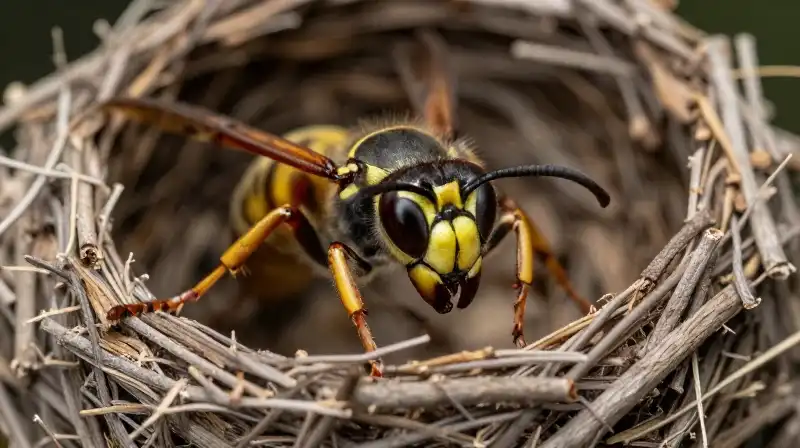
Wasps are not inherently aggressive; their behavior is governed by complex survival mechanisms rooted in their biology and the environmental conditions they face. The primary reason why wasps appear aggressive is that their defensive instincts are highly sensitive to threats against their colony and their resources. Unlike insects that only react to direct physical assault, wasps possess a built-in chemical alarm system that signals perceived danger to the entire group, often leading to a coordinated and sharp defensive response.
The Chemistry of Alarm: Why Wasps Strike When Threatened
The fundamental motivation for a wasp attack is protection. A wasp’s defense is not driven by random malice, but by a chemical reaction triggered by disturbance. When a wasp is squashed or its nest is touched, it releases a substance known as an alarm pheromone.
This chemical signal travels through the colony, alerting other nearby wasps to the presence of a threat. This coordinated response is why, when you approach a nest, multiple wasps may emerge simultaneously. These insects are primarily motivated by the imperative to guard their home and colony against perceived damage or intrusion.
It is important to distinguish between defensive striking (when a nest is threatened) and proactive behavior (when an individual is highly motivated to find food). While most wasps only strike when provoked, specific species, such as yellow jackets, have been noted for more assertive or “proactive” foraging, which still requires respect for their territory.
The Seasonal Shift: Resource Scarcity and Nutritional Needs
The perception of heightened wasp aggression often correlates with the time of year, particularly the late summer and fall. This shift is a direct result of a change in the colony’s life cycle and environmental resource availability.
Late Summer Hormones and Colony Dynamics
As the queen begins the end of her egg-laying period, the colony’s nutritional requirements change significantly. In late stages of the colony’s life, the worker wasps become heavily focused on securing accessible food sources. Their shifting nutritional needs transition them toward becoming highly motivated foragers. This increased intensity is visible as increased irritability and a more assertive approach to both food and territorial defense.
The Impact of Cooling Weather
The primary ecological driver of fall aggression is resource scarcity linked to cooling weather. As temperatures drop, the availability of crucial food sources—such as nectar from flowers, fruits, and small insects—diminishes sharply. This “hunger” motivates these omnivorous insects to become fiercely defensive of their limited, hard-won resources. Their behavior changes because the cost of losing food (the nest) is perceived as much higher in a resource-scarce environment than in the abundance of summer.
Physical Attributes and the Defense Mechanism
Wasps possess physical traits that make them formidable defenders. Their stinger is a key component of their defense, offering a level of safety concern distinct from that of other insects.
Unlike bees, which typically sting once and then may perish, the wasp stinger is barbless. This means that it remains attached after piercing the skin, allowing the wasp to inflict repeated stings until it is either driven away or the threat is neutralized. This physical capability, combined with their instinct to protect their home, drives their powerful defensive behavior.
Preventing Conflicts and Protecting Your Environment
Understanding the biological reasons for wasp aggression allows for practical steps to minimize contact and avoid conflict. By addressing their primary motivators—threat detection and hunger—you can proactively make your environment safer for the colony and yourself.
Environmental Mitigation
Since wasps are motivated by food and safety, simple changes to the environment can reduce their presence:
- Secure Food Sources: Keep all outdoor food, beverages, and trash containers tightly covered or stored indoors to remove easy access to sugars and waste.
- Avoid Attractants: Refrain from wearing strong fragrances (like heavy perfume or cologne) or bright colors when working outdoors, as these can act as unintended attractants.
- Manage Areas: Proactively inspect areas for signs of nests before they become established.
Managing Direct Encounters
If you encounter a wasp, your response matters. Maintaining a calm presence is the most effective way to reduce the likelihood of a sting:
- Maintain Distance: Never approach a known nest. Wasps are highly wary of human proximity, and intrusion is seen as a direct threat.
- Do Not Swat: Swatting often triggers an immediate defensive response. Instead, calmly move away from the perceived threat.
- Use Traps: Utilizing DIY traps, such as a sugary liquid placed inside an inverted bottle, can effectively lure wasps away from high-traffic outdoor areas.
Synthesis of Priorities: The Wasps vs. Bees Distinction
While both are flying insects, understanding the difference in their behavior and stinger mechanisms helps clarify the nature of potential interactions.
| Feature | Wasp | Bee |
|---|---|---|
| Primary Motivation | Colony defense and resource security. | Nectar gathering and pollination (primarily). |
| Stinger Mechanism | Barbless; can sting multiple times. | Barbed; usually loses stinger after one sting. |
| Aggression Profile | High defensive response when nest is threatened or resources are low. | Generally defensive, but less persistent in attacks. |
In summary, wasp aggression is a fundamental survival mechanism. Whether it is the chemical urgency of an alarm pheromone or the biological desperation of a starving colony in the fall, their behavior is rooted in protecting their territory. By respecting their needs and environmental triggers, you can safely coexist with these ecologically beneficial insects.
How to Prevent Wasps and Minimize Conflict
Secure Food Sources
Keep all outdoor food, beverages, and trash containers tightly covered or stored indoors to remove easy access to sugars and waste.
Avoid Using Attractants
Refrain from wearing strong fragrances or bright colors when working outdoors, as these can act as unintended attractants.
Manage and Inspect Areas
Proactively inspect areas for signs of nests before they become established.
Maintain Distance from Nests
Never approach a known nest. Wasps are highly wary of human proximity, and intrusion is seen as a direct threat.
Avoid Swatting
Do not swat at a wasp, as swating triggers an immediate defensive response. Instead, calmly move away from the perceived threat.
Use Effective Traps
Utilize DIY traps, such as a sugary liquid placed inside an inverted bottle, to effectively lure wasps away from high-traffic outdoor areas.
Related Articles