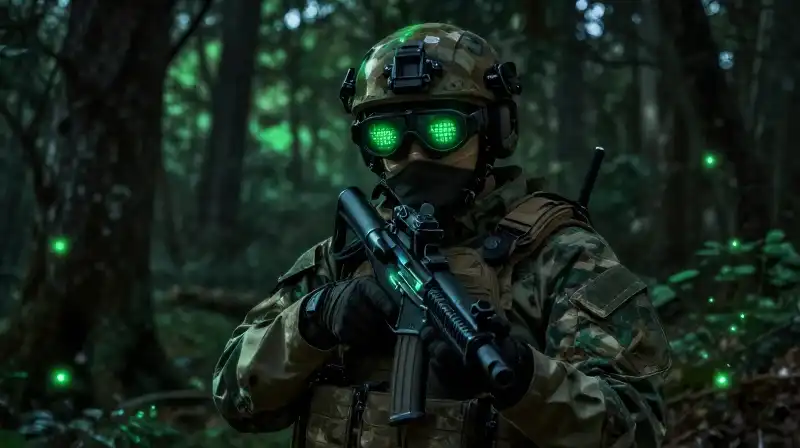
Why Night Vision is Green: The Science and Purpose Behind the Color

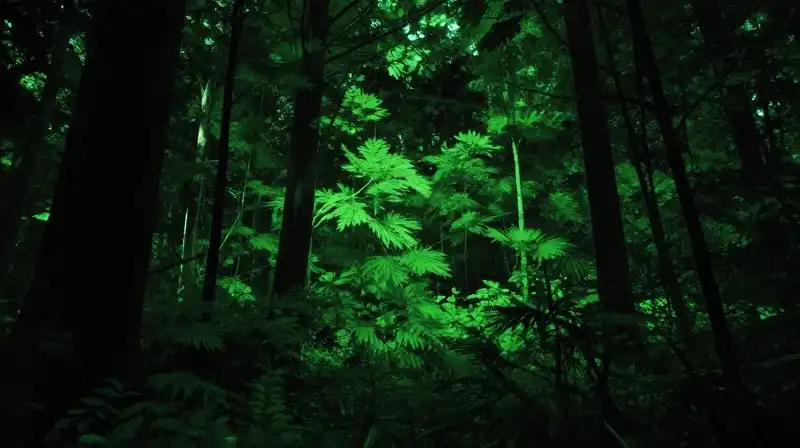
Introduction
The characteristic green glow of night vision devices (NVGs) is not a mere aesthetic choice; it is the result of a complex intersection between physics, human biology, and historical manufacturing practicality. At its core, night vision does not just apply a filter to darkness; it actively amplifies the extremely faint light present in a scene, converting those tiny photons into electrons, and then re-emitting them as visible light. The final step in this process—the conversion of amplified electrons back into a visible image—is achieved using specialized green phosphor coatings within the image intensifier. This choice is driven by the fact that green is the most efficient color for the human eye to perceive in low-light conditions, allowing for maximum detail extraction with minimal light consumption.
The Physics of Image Intensification
To understand why the color is green, it is necessary to first understand how the image is created. Most professional night vision systems rely on image intensifiers, which are advanced components (often utilizing a photomultiplier tube) designed to capture and amplify minimal available light. The process follows these steps:
- Light Capture: Extremely faint ambient light (photons) enters the device.
- Electron Generation: This light is captured, generating a stream of highly accelerated electrons.
- Amplification: The intensifier amplifies these electrons—sometimes by factors of tens of thousands.
- Phosphor Conversion: The amplified electrons strike a phosphor screen, which is coated in a specific chemical compound. This chemical reaction converts the electron energy back into visible light.
Since the phosphor coating used in the industry is designed specifically to emit light in the green wavelength range, the final output perceived by the user is predominantly green.
The Biological Advantage: Why Green is Optimal
The primary rationale for the green standard lies in the physiological response of the human eye. Our biological capabilities dictate the most effective use of low-light amplification technology. The human eye is naturally most sensitive to light in the blue-green spectrum, peaking around 500 nanometers (nm). This specific wavelength allows human photoreceptor cells (rod cells) to detect light with maximum efficiency. By projecting the amplified image onto a green phosphor screen, the NVG ensures that the resulting light emitted matches the spectrum our eyes are best at processing. This efficiency translates into critical practical benefits:
- Maximum Detail: Because the green light is easily registered by our rod cells, users can perceive more nuance and detail in the low-light environment compared to if the image were displayed in colors less optimal for human vision.
- Lower Power Consumption: Using a green phosphor minimizes the total light emission required to create a clear image, which is crucial for extending battery life in tactical and mobile applications.
- Reduced Visual Fatigue: Lower power consumption and high efficacy mean the user’s eyes are less strained during extended use of the device.
Alternatives and Tactical Considerations
While green is the industrial standard for general-purpose low-light amplification, the color choice is not universally fixed. Various applications and tactical needs necessitate the use of alternative screens.
Different phosphor chemistries allow manufacturers to produce other color outputs, each offering distinct advantages:
| Color Output | Primary Function | Advantage | Best Application |
|---|---|---|---|
| Green | Image Intensification | Highest fidelity, energy efficiency, and biological compatibility. | General surveillance, low-light observation. |
| White (Grayscale) | High Contrast Display | Offers a more natural, less filtered view; high contrast for identifying specific features. | Close-quarters identification, detailed inspection. |
| Red | Camouflage/Preservation | Highly discreet; red light tends to minimally disrupt the wearer’s natural night vision. | Stealth operations, military tactics where minimizing detection is critical. |
| Thermal | Heat Signature Detection | Detect heat (infrared radiation) even in total darkness, independent of visible light. | Detect movement and life signatures through foliage or smoke. |
A common misconception is that night vision only works by adding a green filter to the darkness. This is inaccurate. The green appearance is the final, actively emitted light, not a passively blocked portion of ambient light. Furthermore, some cheaper night vision devices rely on detecting infrared light, which requires an external IR source—effectively acting as a hidden floodlight rather than true light amplification.
Making the Right Choice for Your Application
The selection between green, white, red, or thermal depends entirely on the operational goals. Using the wrong color for a specific task can negate the device’s effectiveness.
- For Maximum Performance and Detail: Stick with green. It represents the industry standard for balancing visual clarity with energy efficiency.
- For Discreet/Stealth Operations: Choose red. Its low visibility to the human eye (and often to the naked eye of an observer) provides a tactical advantage by minimizing detection.
- For Identification and Clarity: White/Grayscale offers the highest contrast and a less colored, potentially more objective view of surroundings.
- For Detecting Hidden Life/Heat: Thermal imaging is the definitive choice, as it measures infrared radiation signatures rather than visible light.
Summary and Practical Limits
The green glow of night vision is a sophisticated result of technological necessity and biological optimization. The green phosphor is the final, most efficient output stage of an image intensifier, perfectly tuned to the peak sensitivity of the human visual system. While modern advancements allow for full-color night vision, this still relies on high-end sensors and algorithmic processing. Ultimately, night vision systems, by definition, require *some* level of ambient light or an external IR source to function—they are amplifiers, not fully independent light generators. When choosing a system, prioritize the required output (detail, discretion, or heat detection) over the convenience of the green standard.
Frequently Asked Questions
Is night vision just a green filter?
No, night vision does not simply apply a green filter to darkness; it actively amplifies extremely faint light and converts those amplified electrons back into a visible image using specialized green phosphor coatings. The green appearance is the final, actively emitted light, not a passively blocked portion of ambient light.
Process of Image Intensification in NVGs
Light Capture
Extremely faint ambient light (photons) enters the device.
Electron Generation
This light is captured, generating a stream of highly accelerated electrons.
Amplification
The intensifier amplifies these electrons—sometimes by factors of tens of thousands.
Phosphor Conversion
The amplified electrons strike a phosphor screen, which is coated in a specific chemical compound. This chemical reaction converts the electron energy back into visible light.
Related Articles