
Flammable Gas: Definition, Explosion Limits, and Safety Guide

Introduction
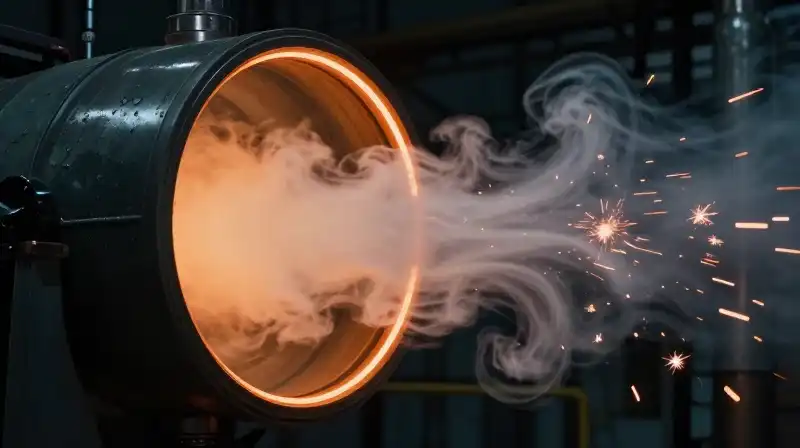
A flammable gas is defined by its inherent chemical capability to undergo combustion—a rapid chemical reaction between the gas and an oxidizer, typically oxygen—at specific conditions. This property means the gas possesses a combustible range at Standard Temperature and Pressure (STP). When handling these substances, it is crucial to understand that flammability is not merely a characteristic; it is a critical risk factor demanding rigorous adherence to safety protocols. To initiate a fire or explosion, three elements are strictly required: a combustible fuel (the gas itself), an adequate supply of oxygen, and an ignition source. Managing these risks requires a deep dive into the chemical limits and specific handling requirements of various gas types.
Understanding the Science of Flammability and Combustion
At its core, flammability is a property where a substance reacts vigorously with oxygen. Many common flammable gases, such as Methane, Propane, and Butane, are hydrocarbons—molecules composed primarily of hydrogen and carbon. These bonds store significant potential energy. During combustion, this energy is rapidly released as heat, allowing the atoms to excite electrons. When these excited electrons drop back to lower energy levels, they release that absorbed energy as visible light photons, which is the visible flame. The heat generated during this reaction is the direct measure of the energy released by the chemical conversion.
The byproduct of burning these hydrocarbons are highly stable compounds, usually water vapor () and carbon dioxide (). In an ideal environment with ample oxygen, the flame produces characteristic colors linked to the gas’s chemical structure. In industrial settings, the flammability of gases often dictates the necessity for “intrinsically safe” equipment to prevent sparks or heat from reaching dangerous concentrations.
The Critical Role of Explosion Limits (LEL and UEL)
The danger of a gas mixture is dictated not just by the gas itself, but by its concentration in the surrounding air. This concept is quantified using the Lower Explosion Limit (LEL) and the Upper Explosion Limit (UEL).
- Lower Explosion Limit (LEL): This is the minimum concentration of a flammable gas that, when mixed with air, is capable of forming an explosive mixture. If the concentration of the gas is below the LEL, the mixture is too “lean” to sustain an explosion.
- Upper Explosion Limit (UEL): This represents the maximum concentration of a gas that can form an explosive mixture. If the gas concentration exceeds the UEL, the mixture is too “rich,” and combustion cannot proceed efficiently.
While LEL and UEL are often identical for many simple substances, these limits serve as vital boundaries for safety professionals, dictating where ventilation and monitoring equipment must be placed to prevent the gas from entering its flammable concentration range.
Common Flammable Gas Examples and Unique Hazards
Not all flammable gases pose the same level or type of hazard. While many are handled primarily for their fuel source, others present unique risks: Toxicity, Pyrophoricity, or Corrosiveness.
| Gas Example | Primary Hazard | Key Characteristics | Usage |
|---|---|---|---|
| Methane, Propane, Butane | Fire/Explosion | Common hydrocarbons; often have weak or distinctive odors (e.g., adding mercaptans for leaks). | Natural gas, heating, cooking, vehicle fueling. |
| Hydrogen | Explosion | Extremely flammable; light, highly reactive. | Fuel cells, industrial reactions. |
| Ammonia | Toxicity/Corrosiveness | Flammable, but its primary immediate hazard is its pungent odor and ability to burn tissue. | Cleaning, fertilizer production. |
| Chlorine Trifluoride | Extreme Corrosiveness/Reactivity | Highly reactive; capable of initiating combustion upon contact with many materials. | Industrial chemical manufacturing (handling requires specialized containment). |
Mandatory Safety Protocols and Risk Mitigation
Adherence to safety standards is non-negotiable when dealing with flammable gas. The primary tool for risk assessment is the Safety Data Sheet (SDS). The SDS for every gas product must be accessed, reviewed, and understood before any use begins, as specific hazards (like pyrophoric properties—spontaneous ignition in air) vary widely between substances.
Essential Safety Checks
- Consult the SDS: Identify all specific hazards, required personal protective equipment (PPE), and emergency procedures listed by the supplier.
- Ensure Adequate Ventilation: Control the gas concentration to keep it safely outside the LEL/UEL range, preventing the formation of a flammable mixture.
- Control Ignition Sources: In hazardous areas, only intrinsically safe equipment may be used. All potential sources of heat or spark (smoking, electrical faults) must be eliminated.
- Proper Storage: Flammable gases must be stored according to their specific pressure and temperature requirements, isolated from incompatible materials.
For industrial and commercial applications, the use of designated gas piping and specialized measuring equipment is required to monitor concentrations and prevent accidental exposure or runaway combustion.
Addressing Key Gas Flammability Doubts
When evaluating gas risk, users often have specific questions regarding severity and composition.
What Kind of Gas Is Most Flammable?
There is no single “most flammable” gas, as flammability depends on molecular structure, pressure, and concentration. However, gases like Hydrogen and Acetylene are known for their extremely fast and energetic combustion rates. The decision of whether a gas is flammable or not is fundamentally tied to its hydrocarbon composition and its vapor density relative to air. The most critical determinant of risk is always the concentration in a given space, which dictates whether the mixture meets the LEL/UEL requirements.
Are Gas Labels Always Accurate?
While container labels provide immediate warnings, the definitive and comprehensive safety information is always contained within the supplier’s Safety Data Sheet (SDS). Labels provide a quick reference, but the SDS provides the detailed chemical properties, toxicity levels, and necessary handling guidelines that govern the gas’s specific risk profile.
Final Safety Synthesis: Handling High-Risk Environments
The primary hazard of a flammable gas is the formation of a flammable mixture. Effective management requires a multi-layered approach: recognizing the chemical properties of the gas (hydrocarbon fuel), defining the boundaries of danger (LEL and UEL), and implementing strict operational controls. Always treat a flammable gas according to the most severe hazard listed in its SDS. Whether used for domestic heating or large-scale industrial applications, safety protocols dictate that risk is managed by controlling the three necessary elements of combustion: the fuel, the oxidizer, and the ignition source. Never assume a gas is safe; always verify its status through its official documentation before use.
Frequently Asked Questions
What kind of gas is most flammable?
There is no single most flammable gas, as flammability depends on molecular structure, pressure, and concentration. However, gases such as Hydrogen and Acetylene are known for having extremely fast and energetic combustion rates.
Related Articles