What Is the Blue Liquid in Porta Potties? The Deodorizer Explained

Introduction
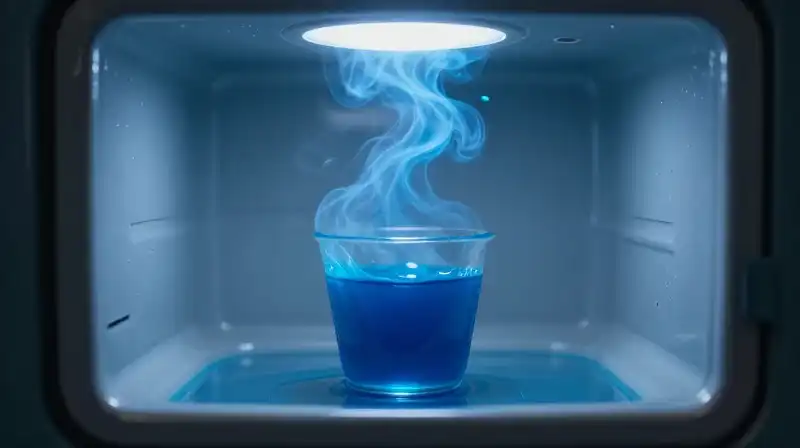
The blue liquid found at the bottom of a porta potty is formally known as a deodorizing solution or portable toilet chemical. Its primary function is to act as a specialized sanitation agent, designed to maintain a fresh, clean, and hygienic environment within the unit. Rather than just a simple cleaner, this chemical mixture is an advanced solution combining biological and chemical elements to manage odors, inhibit bacteria, and assist in the breakdown of waste. These solutions have evolved significantly over time, moving away from harsh, singular chemical fixes toward more complex, biologically active, and safer formulas. Understanding what this liquid is and how it works—its composition, purpose, and safety profile—is essential for anyone using or managing portable restroom facilities.
The Composition and Mechanism of Deodorizing Solutions
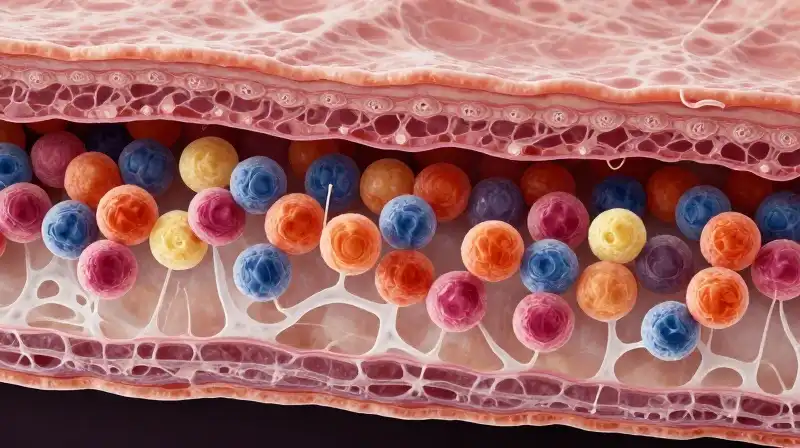
The efficacy of the blue liquid stems from its multi-component formula, which goes far beyond masking smells. Its composition is strategically designed to address odor-causing bacteria at a microscopic level.
A typical modern formula integrates several key elements:
- Biocides: These are the core components responsible for preventing and hindering the growth of odor-producing microorganisms. Biocides specifically target bacteria, such as gram-positive bacteria, which are notorious for breaking down waste and releasing foul smells.
- Enzymes and Microbes: In advanced “green” formulations, enzymes and beneficial microorganisms are utilized. These biological agents actively “feed” on and metabolize the odor-causing bacteria and organic matter, aiding in the decomposition process and significantly improving sanitation.
- Fragrance and Detergents: These additives serve a dual purpose: they neutralize foul odors by scent masking, and they help dissolve various waste components, ensuring the liquid remains evenly distributed.
- Surfactants: These agents are included to ensure that all chemical ingredients—the biocides, enzymes, and fragrances—remain homogeneously mixed throughout the liquid, maximizing coverage and effectiveness.
The Functional Role of the Blue Dye and Color
The vibrant blue color is not merely for aesthetic appeal; it serves critical practical functions for both users and maintenance teams.
The blue liquid operates as both a visual indicator and a functional deodorizer. On one hand, the dye helps to break down waste and conceal debris, stains, and potential visual contamination at the surface of the fluid, contributing to a more aesthetically pleasing experience.
On the other hand, it acts as a visual cue. Maintenance crews often use the liquid’s condition to assess the unit. If the solution becomes heavily diluted or mixed with large amounts of waste, the color can shift or clarity can change, signaling to staff that the unit has reached capacity or requires topping up/replacing the deodorizer solution. Furthermore, while historically used for a rudimentary visual cue regarding leaks in tank systems, its primary modern function is related to maintenance and cleanliness.
Modern Evolution: From Formaldehyde to Green Solutions
The history of porta potty deodorizers represents a significant shift in chemical engineering, prioritizing safety and environmental responsibility.
Historically, early formulas utilized formaldehyde as a powerful deodorizing agent. However, formaldehyde is now recognized as a potential human carcinogen. Due to these health concerns, modern sanitation industry trends have shifted toward developing environmentally friendlier and biologically active products that are formaldehyde-free.
Today’s focus is firmly on transitioning to non-formaldehyde, safe formulations. The shift involves replacing harsh chemical preservatives with natural agents like enzymes and beneficial microbes. While these solutions are typically formulated to be non-toxic in their diluted state for routine use, users should always exercise caution to avoid direct, prolonged contact with the concentrated chemical liquid.
Safety, Usage, and Maintenance Considerations
Addressing concerns regarding the danger of the blue liquid is vital for proper use. Currently, modern deodorizing solutions are generally considered safe for typical, casual use in a diluted state. They are formulated to be non-toxic when properly diluted as intended. However, direct, heavy exposure to the concentrated chemical solution is discouraged.
The frequency of replacement or topping up depends heavily on several variables:
- The duration and intensity of event usage.
- Current environmental conditions (e.g., heat can accelerate microbial action).
- The specific manufacturer’s recommendations for that unit type.
If you notice a significant change in the liquid’s odor, color, or volume, it is an indicator that the biocides may need replenishing, or the tank is reaching maximum capacity. For units that are not being emptied regularly, a regular top-up of the deodorizing solution is recommended to maintain hygiene and fragrance.
Summary of Answers and Practical Safety Guidelines
In short, the blue liquid in a porta potty is a highly specialized chemical mixture—a powerful, multi-functional deodorizer and sanitation aid. It primarily uses biocides, enzymes, and microbes to suppress foul odors and inhibit odor-causing bacteria while providing a practical visual aid.
To ensure a safe and hygienic experience, remember these practical guidelines:
- Use the unit as intended: The deodorizer functions best when used in a diluted state, as specified by the manufacturer.
- Avoid direct contact: While safe in dilution, take precautions to avoid direct, prolonged exposure to the concentrated chemical solution.
- Monitor for degradation: If the smell returns or the blue liquid appears significantly clouded, it may be time for a service or solution refresh.
By understanding the shift from historical, harsher chemicals to today’s biologically active, “green” solutions, users can appreciate the significant improvements in portability and overall sanitation standards.
Frequently Asked Questions
What is the blue fluid in a porta potty?
The blue liquid, formally known as a deodorizing solution or portable toilet chemical, is a specialized sanitation agent designed to maintain a fresh and hygienic environment within the unit. This multi-functional chemical mixture inhibits bacteria and manages odors by combining biocides, enzymes, and microbes.
What was the blue stuff in the porta potty Breaking Bad?
The blue liquid is a highly specialized chemical mixture known as a deodorizing solution or portable toilet chemical. It functions as a sanitation agent by using biocides, enzymes, and microbes to inhibit odor-causing bacteria, while also serving as a visual indicator for maintenance.
How to Safely Use and Maintain a Portable Toilet
Use the unit as intended
The deodorizer functions best when used in a diluted state, as specified by the manufacturer.
Avoid direct contact
While safe in dilution, take precautions to avoid direct, prolonged exposure to the concentrated chemical solution.
Monitor for degradation
If the smell returns or the blue liquid appears significantly clouded, it may be time for a service or solution refresh.
Related Articles