How to Train Homing Pigeons: Mastering the Return Instinct

Introduction
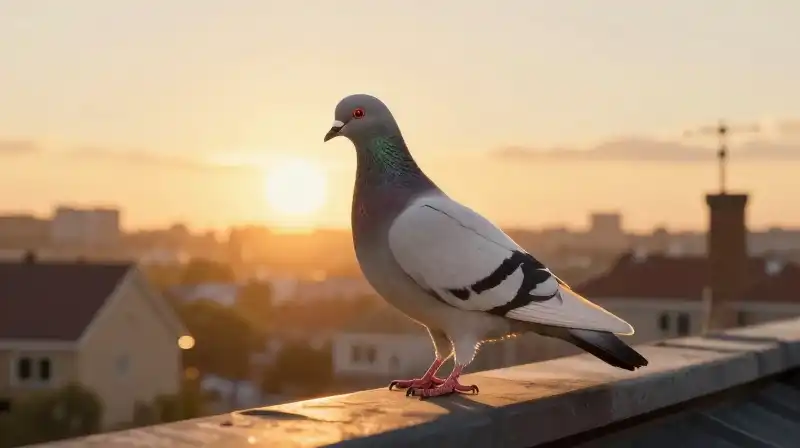
Training a homing pigeon is less about teaching a creature to fly and more about reinforcing, refining, and strengthening its natural innate instinct to find safety. Homing pigeons are a specific breed of domestic pigeon (selectively bred from the wild rock dove) whose primary purpose is the ability to return reliably over long distances. Their navigation is not solely based on human instructions but is a complex biological process involving a unique “map and compass” system.
To effectively train a homing pigeon, you must understand that the bird already possesses the capability to navigate. Your role as a trainer is to establish a highly consistent routine that links a specific flight path, a known environment, and the ultimate reward: its designated home. This process utilizes the bird’s strong desire to return to a familiar, safe location, transforming a raw instinct into a reliable, learned route.
Understanding the Biological Foundation of Navigation
Before beginning the practical training, it is helpful to appreciate how pigeons actually orient themselves. They do not rely on GPS; instead, they use a combination of Earth’s internal cues, a method known scientifically as “olfactory and geomagnetic navigation.”
Pigeons utilize several key environmental factors that act as their “compass” and “map”:
- Geomagnetic Fields: The Earth’s magnetic field provides a constant directional reference that the pigeon’s internal compass can detect, helping them maintain a consistent bearing even when the sun is obscured.
- Solar Positioning: By tracking the sun’s movement throughout the day, the pigeon can accurately determine cardinal directions, a crucial element for calculating flight paths.
- Landmarks and Odor: Familiar visual cues—such as specific buildings, trees, or rivers—serve as their visual “map.” They also use atmospheric odor distributions unique to their home environment to further aid in locating their intended destination.
Because this instinct is so strong, the training process focuses on guiding that powerful urge home, rather than generating the urge itself.
Phase 1: Establishing the Home Base and Routine
The first phase of pigeon training involves making the home loft the most valuable and consistent place in the bird’s life. This isn’t merely about where the bird sleeps; it is the center of its entire social and reward system.
Initial steps for beginners include:
- Familiarity and Routine: Establish a strict daily schedule where the bird receives consistent care, water, and access to fresh food exclusively at the home loft. This builds a social bond and makes the loft a positive reference point.
- Micro-Flights: Start with very short, low-stress flights within the immediate vicinity of the loft. The goal is for the bird to fly, quickly navigate a short route, and reliably return to a reward and safe spot.
- Repetition and Reward: Every flight should end with a predictable reward, such as a favorite food treat or access to its social group. Consistency is paramount; the bird must associate “leaving the loft” with a brief adventure, and “returning to the loft” with security and satisfaction.
Phase 2: Building Flight Endurance and Memory
Once the bird understands the basic concept of flight and return, you gradually increase the complexity and distance of the flights. This reinforces the memory of the route.
The recommended training strategy involves:
- Gradual Distance Increase: Begin moving the designated feeding or training location only a very short distance from the home loft. Once the bird navigates this new, short distance with ease and confidence, slowly increase the separation.
- Route Reinforcement: When flying to the new location, incorporate clear landmarks. The pigeon should be repeatedly exposed to these specific visual cues. This is how the pigeon effectively “learn” the route; they are mapping the landscape.
- Payload Capability: As training progresses, if you plan to use the bird as a messenger, begin practicing transporting small, designated “payload” objects (no more than 75 grams). This adds another layer of reinforcement to the mission.
Navigating Long Distances: Round-Trip Capabilities
A common question is whether homing pigeons only fly one way. Highly trained homing pigeons are capable of reliable round trips, but this requires establishing a distinct, separate “Home” and “Resource” identity.
To achieve round-trip success:
Designation is Key: The bird must always have a primary, irreplaceable safe haven (the home loft). The second destination—the feeding or resource location—is treated as a temporary stop. By making the “Home” the most significant, recurring reward, the bird learns to view the distant location as merely a place for necessary resources before returning to its secure baseline.
Pigeons that perform successfully in long-distance races rely on this inherent “home bias,” ensuring that even if they travel far to find a resource, the pull toward the established home base remains the dominant, learned motivator.
Limitations and Practical Considerations in Training
Successful training requires patience and realistic expectations. Here are critical warnings and limits to prevent errors:
| Potential Error | What to Avoid | Practical Solution |
|---|---|---|
| Inconsistent Environment | Changing the home loft, flight paths, or reward systems arbitrarily. | Maintain a stable home base and consistent reward throughout the entire training process to solidify memory. |
| Over-Stress | Forcing the pigeon to fly too far or in poor weather conditions (heavy rain, severe wind). | Pigeon well-being is paramount. Only increase distance when the bird shows enthusiasm and clear confidence in its flight. |
| Resource Over-Reliance | Associating the home loft exclusively with the food rather than security. | Ensure the loft is also a space for social interaction with other birds or safe resting, so the home is valued as a sanctuary. |
Homing pigeons, while highly intelligent, are still animals influenced by biological fatigue. Their successful return often depends on a clear line of sight for their final approach. Never train a bird to land blind; allow them to see and recognize the entrance to the loft during the final stages of the flight to trigger the “home” instinct.
Summary of Training Success Criteria
Ultimately, mastering the return instinct of a homing pigeon depends on integrating its innate abilities with disciplined, incremental training. Do not simply fly a bird away and expect it to know the way; instead, guide it through controlled exposure to its route and reward system. Success is measured by the consistency and reliability of the return flight.
Key Takeaways for Implementation:
- Start local, build confidence, and gradually introduce distance.
- Treat the home loft as the central, irreplaceable core of the bird’s existence.
- Use clear, consistent rewards and environmental cues to reinforce the flight path.
- Understand that the bird is mapping a 3D space, using magnetic, solar, and visual data, and your training helps confirm that map.
How to Train a Homing Pigeon
Establish Home Base and Routine
Set a strict daily schedule for the pigeon at the home loft, providing consistent care, water, and food. This builds a strong social bond and establishes the loft as a positive reference point.
Begin with Micro-Flights
Start the training by conducting short, low-stress flights within the immediate vicinity of the loft. The goal is for the bird to learn to quickly navigate a short route and reliably return to a safe place.
Utilize Rewards and Consistency
Ensure every flight concludes with a predictable reward, such as a favorite food treat or access to the social group. Consistency is essential for the bird to associate returning to the loft with security and satisfaction.
Gradually Increase Flight Distance
Once the bird is comfortable with short routes, slowly and incrementally increase the distance of the designated feeding or training location from the home loft, reinforcing the memory of the new route.
Reinforce Routes with Landmarks
When flying to a new location, incorporate clear, specific visual cues and landmarks. The pigeon must be repeatedly exposed to these visual maps to help it navigate the landscape.
Maintain Home as the Core Sanctuary
Always treat the home loft as the primary, irreplaceable safe haven and the most significant recurring reward, ensuring it is valued as a sanctuary even when resource locations are distant.
Allow Visual Final Approach
During the final stages of flight, allow the pigeon a clear line of sight to recognize and see the entrance to the loft. This triggers the strong 'home' instinct for the final landing.
Related Articles