
Frito Feet in Dogs: Causes, When to Worry, and How to Manage Odor

Introduction
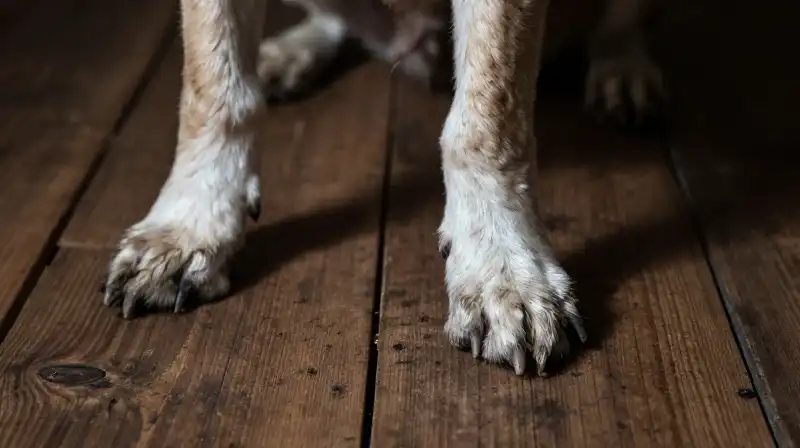
Many dog owners are puzzled by the distinctive “Frito Feet” odor—a yeasty, corn-chip, or popcorn-like smell coming from their pet’s paw pads. While this scent can cause concern, it is frequently a reflection of natural biological processes rather than a serious medical condition. Understanding the origin of this smell is the first step toward managing it. The “Fritos smell” is fundamentally tied to the natural balance of bacteria and the environmental conditions on a dog’s paw pads, which are unique areas prone to moisture and warmth. This article clarifies the causes of this odor, helps you determine when it is a normal occurrence, and provides a practical guide on how to maintain healthy, odor-free paws.
What Causes the “Frito Feet” Scent?
The unique fragrance of a dog’s paws is typically the result of a combination of microscopic life and external factors. It is rarely a sign of a problem when mild, but certain biological contributors are responsible for that specific, savory aroma.
The Role of Specific Bacteria
The primary driver of the yeasty or corn-chip scent is often the presence of particular bacteria residing naturally on a dog’s skin. These microorganisms, including species like Proteus or Pseudomonas, are present on many dogs. As part of their metabolic process, these bacteria produce byproducts that manifest as a sharp, pungent, or cheesy scent. The limited airflow in a dog’s paw pads creates a moist environment that allows these beneficial and naturally occurring bacteria to thrive and contribute to the characteristic smell.
Environmental Traps and Moisture Buildup
Beyond specific bacteria, the odor can also result from trapped moisture and debris. Paw pads absorb dirt, pollen, and environmental residues while walking. When these materials combine with perspiration and are trapped between the toes or under the paw, they create a humid microclimate perfect for microbial growth. This buildup can significantly exacerbate the natural scent and make the overall odor more pungent.
Is This Odor Normal or a Sign of Infection?
A small amount of yeasty smell is generally considered a normal part of a dog’s hygiene, especially after outdoor activities. However, the distinction between a natural scent and a developing health issue is critical.
The Normal vs. Concerning Odor
A mild, slightly yeasty, or cheesy odor that is present after walks and disappears with thorough grooming is usually non-urgent and manageable at home. On the other hand, a sudden or extreme change in scent—such as a “moldy cheese” odor, a putrid smell, or the presence of a foul stench—suggest that bacteria are multiplying uncontrollably, potentially leading to a yeast infection or dermatitis. The scent changes not just because of the microbes, but because they are thriving in a way that indicates irritation or underlying pathology.
Key Signs That Warrant a Veterinary Visit
While the smell itself isn’t always definitive, certain observable changes accompanying the odor indicate a health concern. You should schedule a professional examination if you notice any of the following:
- Visible Inflammation: Redness, swelling, or visible bumps (milia) on the paw pads.
- Discharge or Injury: The presence of pus, scabs, or open lesions.
- Behavioral Changes: Excessive licking, chewing, or limping that suggests discomfort.
- Extreme Odor Shift: A sudden, overwhelming, or truly “putrid” smell that does not respond to routine cleaning.
Practical Steps for Odor Management and Prevention
Most cases of “Frito Feet” are manageable through diligent home care. Regular, consistent foot hygiene is the most effective way to maintain paw health and prevent excessive odor.
Daily Maintenance Routines
After outdoor excursions, a thorough cleaning removes environmental triggers. The key is to clean and dry, preventing the moisture that fuels bacterial growth.
- Cleaning: Gently wipe the paw pads and between the toes using warm water and an alcohol-free, unscented cleanser (dog-specific paw wipes or mild soap).
- Drying: This is the most crucial step. Use a towel or a hairdryer on a cool setting to ensure all moisture is thoroughly dried, paying special attention to the space between the toes.
- Grooming: Regularly trim excessive fur between the paw pads and toes. This reduces the “trap” for sweat and debris, allowing for better air circulation.
Preventative Care and Long-Term Health
Preventing irritation that leads to excessive licking or infection is also essential for odor control.
- Nail Trimming: Keep nails short to prevent stress and injury, which can lead to inflammation and altered paw chemistry.
- Warm Weather Protection: Avoid walks on hot asphalt that can cause burns. Consider protective booties during peak heat to prevent paw irritation.
- Diet and Hydration: Ensure your dog maintains a healthy diet, as good overall health can support the natural balance of skin flora and reduce systemic issues that might manifest in the paws.
Synthesis: When to Trust Your Own Judgement
The Frito feet smell is generally a subtle signal, often related to the dog’s unique microbial ecology. It indicates natural bacterial presence and moisture management needs, not necessarily a disease. The decision point for intervention rests on the severity and persistence of the odor coupled with the presence of physical symptoms. If the smell is mild and the paws are intact, consistent grooming will manage it. If the odor becomes foul, or if redness, swelling, or excessive licking begins, do not wait. These signs represent an escalation from simple microbial presence to an active health issue, necessitating the expertise of a veterinarian.
Frequently Asked Questions
Should I see a vet about Frito feet?
A vet visit is recommended if you notice visible inflammation like redness or swelling, signs of injury such as scabs or discharge, or excessive licking, chewing, or a sudden, putrid odor. If the odor is mild and the paw pads are intact, it is generally manageable through consistent home cleaning and grooming.
How to Maintain Healthy, Odor-Free Dog Paws
Cleaning
Gently wipe the paw pads and between the toes using warm water and an alcohol-free, unscented cleanser (dog-specific paw wipes or mild soap).
Drying
Use a towel or a hairdryer on a cool setting to ensure all moisture is thoroughly dried, paying special attention to the space between the toes.
Grooming
Regularly trim excessive fur between the paw pads and toes to reduce the "trap" for sweat and debris, allowing for better air circulation.
Related Articles