Why Cats Raise Their Posterior: Instinct, Territory, and Pleasure

Introduction
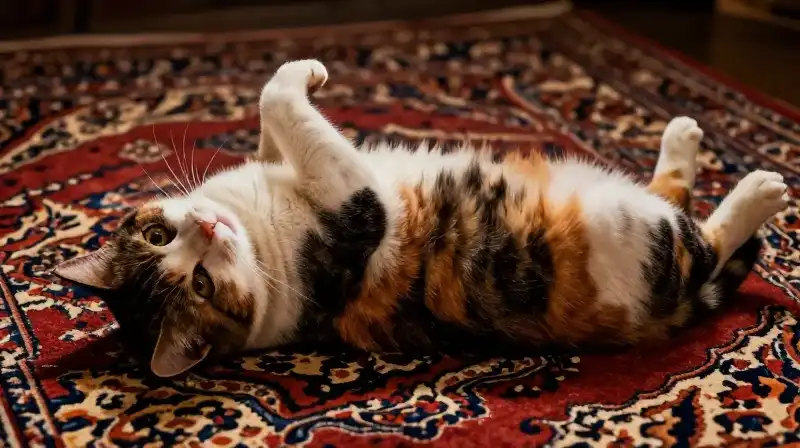
The spontaneous action of a cat raising its posterior when being petted or scratched is a complex behavior that observers often interpret as simple enjoyment. However, from a behavioral and biological perspective, this posture is not just a sign of pleasure; it is a multifaceted signal rooted in deep feline instinct. This movement is the result of a convergence of several factors, including developmental instincts from kittenhood, critical territorial behaviors involving scent glands, and physical responses to stimulation. Understanding why cats raise their backs requires looking beyond the surface excitement and considering the interplay between instinct, communication, and sensory feedback.
Instinct and Developmental Roots
One of the primary theories surrounding this posture relates to the cat’s early developmental stages. Observations suggest the instinct may have originated during kittenhood grooming. When mothers clean their young, kittens often position themselves or move in ways that allow the mother’s tongue better access to difficult areas. This movement, therefore, might be an ingrained, inherited habit designed to facilitate care, or it could be a response to heightened sensory stimulation common during early life.
Territorial Marking and Scent Communication
A significant biological explanation for why cats raise their backs involves their innate territorial habits. Cats possess scent glands located at the base of their tails. When a cat arches or lifts its rear, it is deliberately positioning these glands to express scent directly onto the human or object being touched. This action functions as a form of feline “marking”—a powerful way for the cat to communicate its presence, status, and identity within its environment. It is a highly effective way of saying, “This area (and this person/object) belongs to me.”
Stimulation, Pleasure, and High Trust
The area around the base of the tail is highly sensitive and can function as a zone of physical pleasure. When the cat lifts its rear, it may be instinctively trying to bring this pleasurable area closer to the hand, or it may be allowing the pressure of the pet to intensify the sensation of a rewarding massage. This behavior indicates a high degree of trust. By exposing such a sensitive and vulnerable part of its body to a human, the cat is demonstrating that it feels completely safe and comfortable in the interaction, allowing the sensory pleasure derived from the touch to override any instinct to withdraw.
Reproductive Signaling and Social Status
In specific contexts, particularly involving reproductive health, this posture serves as a clear signal. Unspayed female cats may exhibit this heightened behavior when they are in heat. The posture and the movement of scent glands are linked to their fertile period, acting as a visual and olfactory invitation to potential mates. Furthermore, in general social interactions, this behavior, coupled with the release of pheromones, serves to communicate the cat’s current status or health to others in its vicinity through scent exchange.
Understanding the Nuance: When Behavior Varies
It is crucial to recognize that the reason a specific cat raises its rear is rarely limited to a single cause. The observed behavior is often a composite response to the immediate environment and the specific person interacting with it. To properly interpret the signal, consider the cat’s current state:
- If the cat is playful and relaxed: The action is likely rooted in pleasure and sensory seeking.
- If the cat is making the movement toward a person: This is strongly tied to territorial marking and scent exchange.
- If the cat is exhibiting this during a specific seasonal change: The reproductive cycle might be the primary driver.
- If the cat is extremely excited or vocal: The action may be an intensified display of high trust coupled with strong stimulation.
Because the behavior is so varied, assuming one simple reason—like “they just like being petted”—can overlook deeper instinctual or communicative needs. The key is observing the overall context and the cat’s demeanor throughout the interaction.
Related Articles