Do Flies Die in Winter? The Science of Their Cold-Weather Survival

Introduction
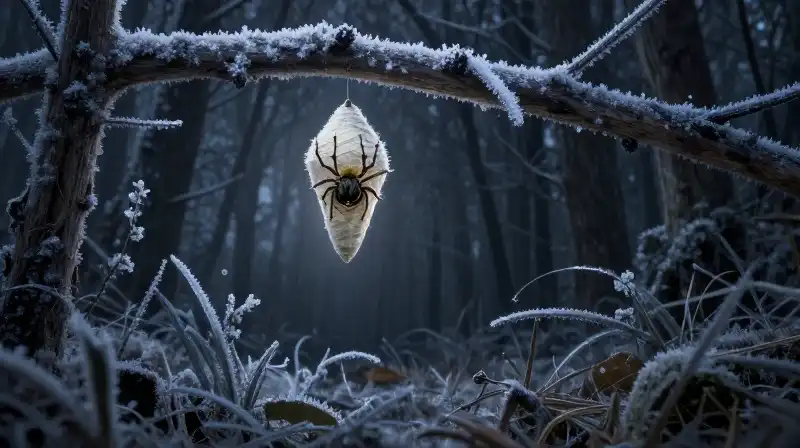
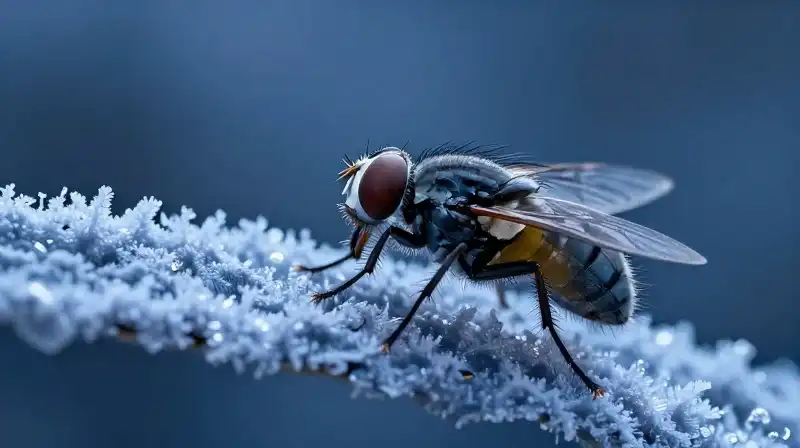
The question of whether flies die in the winter is rarely a simple yes or no. In temperate climates, the answer is often no; flies frequently do not die when temperatures drop, provided they can find a suitable refuge. Rather than dying, many fly species enter states of dormancy or seek out specific, sheltered microclimates that allow them to slow their metabolism until warmer weather arrives. The survival of flies is less dependent on the ambient outdoor temperature and far more dependent on the quality and insulation of their specific overwintering habitat.
Understanding Fly Dormancy: Diapause vs. Hibernation
It is a common misconception that flies hibernate in the manner of bears or groundhogs. Flies are insects, and the physiological process they use to survive cold is called **diapause**. Diapause is a programmed, genetically controlled state of arrested development, characterized by dramatically slowed metabolism and reduced appetite. Unlike true mammalian hibernation, diapause is not triggered by the fly actively seeking a cold den, but by environmental cues, primarily decreasing temperatures and shorter day lengths. Flies also employ states of torpor, which are short periods of inactivity that help them conserve energy until conditions improve. This state of slow development or dormancy allows them to persist through periods of environmental stress, such as the harsh cold and erratic temperature shifts typical of winter.
Where Flies Go in Winter: Finding the Ideal Microclimate
When winter hits, flies do not generally disperse widely; they seek out reliable, warm, and protected spots. Their ability to overwinter successfully hinges on finding a microclimate—a small, localized environment that holds a stable, warmer temperature than the surrounding area. Flies utilize various shelters depending on their life stage:
- Subterranean Larvae: Immature larvae (maggots) often survive by migrating downwards deep within organic matter, such as manure piles or buried refuse. Remaining 1 to 6 inches beneath the soil allows them to exploit the earth’s insulation.
- Indoor Shelters: Adult flies frequently inhabit human-made structures. They accumulate in protected areas like attics, basements, crawl spaces, or inside fermenting waste areas where temperatures remain above freezing.
- Thermal Pockets: Some flies utilize warmth radiating from waste, animal bedding, or the sun-facing facades of buildings. They can even use pockets of fermenting waste to maintain a temperature above the critical freezing point.
In certain extreme cases, like those in Antarctica, some midges are known to encase themselves in ice to survive the extreme cold.
Temperature Threshold: Do Flies Die in the Cold?
Low external temperatures primarily limit a fly’s activity, breeding rate, and development speed rather than causing immediate mass mortality. However, there is a practical limit to cold tolerance. While specific lethality varies widely by species, most flies can tolerate conditions provided their protective microhabitat remains above freezing. According to available data, housefly populations can persist year-round in temperate regions if they can find protected pockets maintaining temperatures between 18°C and 25°C. If the internal temperature of their chosen shelter drops consistently below -5°C, development ceases, and the viability of the population declines dramatically. The key difference in survival is between the ambient outdoor temperature and the internal temperature of the fly’s chosen shelter.
Overwinterment Stages: Adult vs. Larval Survival
The developmental stage a fly is in when winter arrives significantly dictates its chances of surviving the cold.
| Stage | Survival Mechanism | Behavior |
|---|---|---|
| Larva/Maggot | Subterranean/Buried | Migrates downwards into insulated waste or soil until spring. |
| Pupa | Dormancy (Diapause) | Remains inert, often in sheltered indoor environments. |
| Adult | Seeking Shelter | Utilizes stable microclimates (attics, warm walls) or waits until temperatures rise to break dormancy. |
| Many fly species, including common pests, spend the majority of the winter in their non-mobile larval or pupal stages, making them resilient to movement but highly dependent on localized warmth. |
Frequently Asked Questions About Fly Survival
Do flies come back alive after winter?
Yes, assuming they were able to find a sufficiently sheltered microclimate to survive the dormant period. When seasonal temperatures rise above their thermal threshold, the dormancy breaks, and the flies resume their normal cycle of breeding and activity.
What’s the lifespan of a fly?
The lifespan of a fly varies dramatically by species, diet, and environmental conditions. In ideal conditions, adult flies can live for several weeks. However, the long-term existence of a fly population, particularly in areas with mild winters, depends on the survival of the dormant egg, pupal, or larval stages that persist year-round.
Do flies migrate in the winter?
Flies do not migrate in the traditional sense; they do not travel long distances in search of warmer climates. Instead, they exhibit avoidance behavior by moving toward the nearest stable, warm, and protected habitat.
Preventing Indoor Infestations During Winter
While flies may survive outside, they often seek shelter in poorly sealed building entry points. If you are concerned about flies during the coldest months, focusing on exclusion is the most effective strategy. * **Seal Entry Points:** Inspect and seal all cracks, crevices, and gaps in building facades, particularly around window frames and door thresholds. * **Maintain Screens:** Ensure all windows and doors have intact, undamaged screens. * **Manage Waste:** Keeping organic waste contained in sealed bins prevents flies from accessing suitable overwintering material near the structure. By understanding that fly survival is a matter of finding reliable microclimates and entering deep dormancy, homeowners can better manage expectations and apply targeted prevention methods.
Frequently Asked Questions
Do flies come back alive after winter?
Yes, assuming they found a sufficiently sheltered microclimate, flies come back alive after winter. When seasonal temperatures rise above their thermal threshold, the dormancy breaks and they resume their normal cycle of breeding and activity.
Do flies die during the winter?
No, in temperate climates, flies often do not die during the winter because they can enter states of dormancy and seek suitable, sheltered microclimates. Their survival depends on the habitat remaining above freezing, as populations decline dramatically if the internal temperature of their chosen shelter drops consistently below -5°C.
What's the lifespan of a fly?
The lifespan of a fly varies dramatically by species, diet, and environmental conditions, with adult flies being able to live for several weeks in ideal conditions. The long-term existence of a fly population depends on the survival of dormant egg, pupal, or larval stages that persist year-round.
How to Prevent Indoor Fly Infestations During Winter
Seal Entry Points
Inspect and seal all cracks, crevices, and gaps in building facades, particularly around window frames and door thresholds.
Maintain Screens
Ensure all windows and doors have intact, undamaged screens.
Manage Waste
Keeping organic waste contained in sealed bins prevents flies from accessing suitable overwintering material near the structure.
Related Articles