Crickets in Winter: How Diapause and Shelter Ensure Survival

Introduction
The common search for “where do crickets go in the winter” often suggests a single, definitive location. However, the survival strategy of crickets—and most insects—is not a matter of a static destination, but a complex combination of physiological adaptation and strategic environmental placement. Crickets do not merely “hide”; they enter specialized survival states, primarily a process called diapause. Whether they are active, dormant, or entirely absent, their presence in winter is a dynamic result of environmental cues triggering specific biological responses that mitigate the effects of extreme cold and resource scarcity.
Understanding Diapause: Crickets’ Metabolic Shift
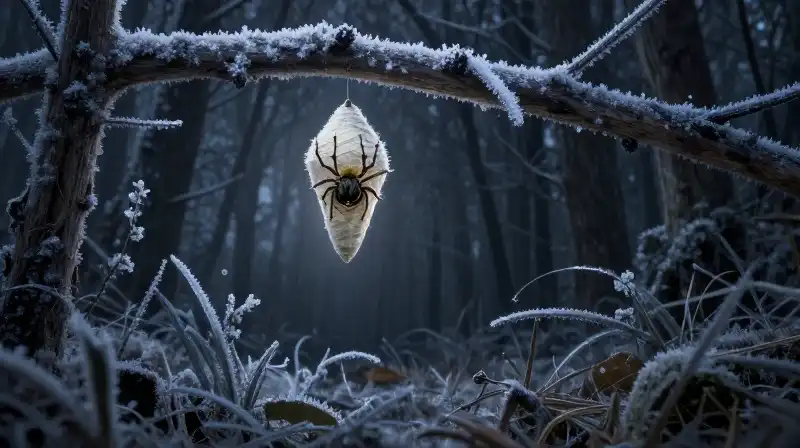
The primary survival mechanism for many cricket species is diapause, which is fundamentally different from the deep, prolonged hibernation of mammals. Diapause is a state of arrested development and lowered metabolic activity that prepares the insect for challenging environmental conditions. It is not merely a resting phase; it is an active biological preparation for long periods of dormancy. The transition into diapause is typically a result of several interconnected environmental signals:
- Photoperiod (Light): The reduction in daylight hours as summer transitions into fall is a key physiological signal that initiates preparation for winter.
- Temperature: Cooler ambient temperatures throughout autumn serve as a critical trigger for the cricket to enter a survival state.
- Food Availability: Diminishing food resources in the natural environment reinforce the need for survival mechanisms like dormancy.
When these conditions align, the cricket undergoes a metabolic shift, allowing it to remain viable during periods of extreme cold and limited sustenance.
Physical Refuge: Choosing the Right Microclimate
While diapause manages the internal biological process, the cricket’s physical location dictates its ability to successfully navigate the external environment. Since extreme cold can penetrate the surface layers, crickets strategically seek out microclimates that offer insulation and protection. Finding a suitable refuge is critical, as various microclimates offer different levels of protection against the cold. Common methods of finding shelter include:
- Subsurface Burial: Many crickets, such as those in specific grasshopper populations, will bury themselves deep in the soil. This depth prevents the chilling effects of surface air temperatures.
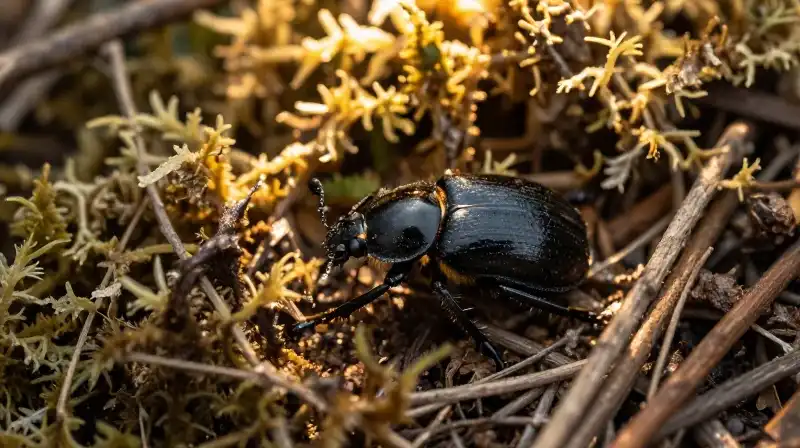
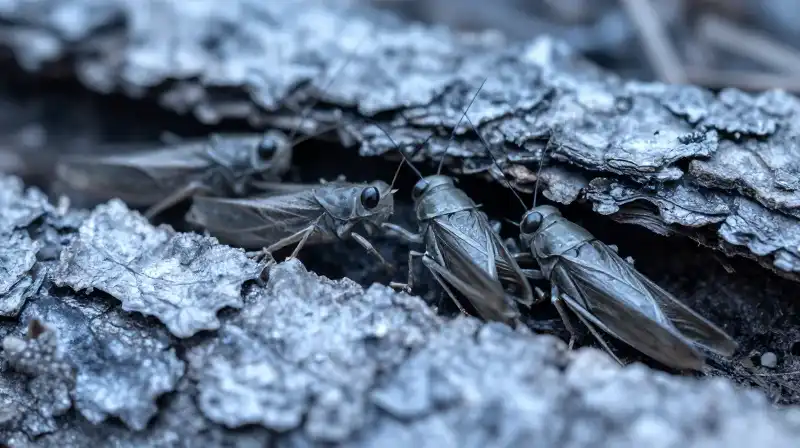
- Structural Shelters: Some species utilize existing natural structures, such as holes in tree bark or dense leaf litter, for protection.
- Human Accidental Shelters: In warmer climates or near human habitation, crickets have been observed utilizing accidental indoor structures (such as basements or sheds) during the autumn and winter seasons, providing a necessary thermal buffer.
The success of winter survival is heavily dependent on the cricket’s ability to locate and exploit these protective niches.
Variations in Winter Behavior: Why You May Still Hear Them
The presence of crickets in a winter landscape, or the sound of them singing, is not always an indication of a failed diapause attempt. The timing and onset of dormancy vary widely among species, leading to different outcomes. A critical factor is the response to temperature. Unseasonably warm temperatures can delay or even prevent the onset of diapause in certain cricket species. When this happens, the crickets may remain metabolically active and continue to emerge from dormancy, leading to active life during months when they should ideally be dormant. In regions like California, where temperature swings are significant, local species might maintain activity longer than in consistently colder northern climates. These variations confirm that the transition from summer presence to winter absence is governed by species-specific adaptations to local climate and microclimate conditions.
Do Crickets Die in the Winter? The Limits of Survival
While diapause and seeking shelter are highly effective survival strategies, they are not foolproof. Some cricket populations may perish as the weather becomes too cold or the necessary survival mechanisms are delayed. The risk of death increases when:
- Diapause is delayed by unusually mild weather, leaving the insect exposed to extreme cold.
- The cricket is unable to locate a sufficiently insulated microclimate.
- The localized winter temperature drops below the insect’s critical lethal threshold for too long.
For some individuals, the transition into dormancy is a last-ditch effort; others, particularly those caught outside their ideal refuge, face mortality as the natural cycles dictate.
Summary of Survival Criteria
Crickets employ a tiered survival strategy to cope with winter. Their successful persistence depends on the synergy between internal biological readiness and external environmental luck.
| Survival Factor | Mechanism | Practical Outcome |
|---|---|---|
| Physiology | Diapause (Arrested Development) | Low metabolic state, surviving prolonged cold/starvation. |
| Behavior | Seeking Microclimates | Utilizing deep soil, structural holes, or indoor shelters for thermal protection. |
| Environment | Temperature & Light Cues | The triggers that decide when dormancy begins or continues. |
| Ultimately, the ability of a cricket to survive winter is not defined by its location but by its ability to properly initiate diapause and reach a thermally stable microclimate that protects it from the most lethal seasonal changes. |
How Crickets Survive Winter
Initiate Diapause
A cricket undergoes a metabolic shift called diapause, which is an active biological preparation for dormancy, triggered by environmental signals like reduced photoperiod and cooler temperatures.
Seek Protective Microclimates
Identify and seek out specific microclimates that offer insulation and protection from extreme surface cold to ensure the integrity of their survival state.
Utilize Appropriate Shelter
Choose a specific refuge method, such as subsurface burial deep in the soil, utilizing natural structural shelters like leaf litter or tree bark, or exploiting accidental human-made shelters (basements, sheds) for thermal buffer.
Related Articles