

Hibiscus Explained: The Truth Behind Jamaica, Roselle, and Karkade

Introduction
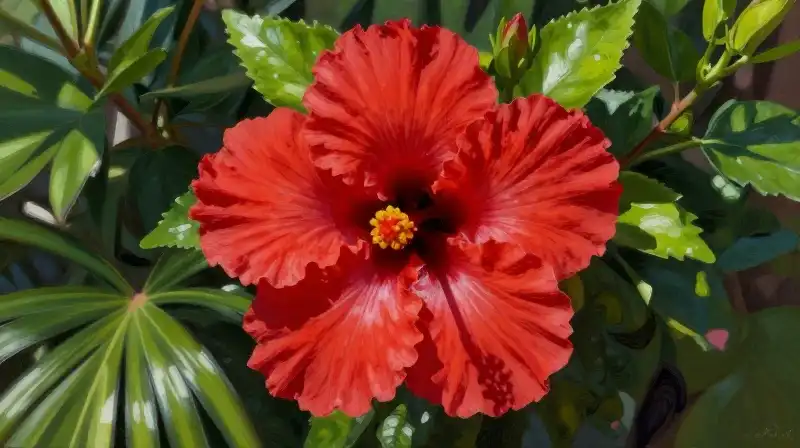
The term “Jamaica” is perhaps the most popular name used globally to describe the vibrant, tart drink made from the hibiscus plant, specifically the red pods. However, the same botanical ingredient is known by numerous names depending on the region or culture, including Roselle, Karkade, Sorrel, and Carcades. This botanical ingredient, known scientifically as *Hibiscus sabdariffa*, is not a single “flavor” but a versatile, powerful infusion that has a profound culinary and historical presence across West Africa, the Middle East, and the Americas. To understand the “Jamaica” phenomenon, one must look beyond the common name and examine the origins, the chemical nature of the plant, and the regional customs that have led to this rich variety of names.
Botanical Truth: The Science of *Hibiscus sabdariffa*
While the popular association might link Jamaica to a specific region, the hibiscus plant itself boasts a vast, global presence. *Hibiscus sabdariffa* is a perennial plant celebrated for its vibrant fuchsia and magenta coloration, primarily derived from the calyces (the sepals) of its flowers. These fleshy, deep red pods are the preferred part of the plant used commercially, and they contain a complex mix of phytochemical compounds that define its taste and color. The flavor profile of the hibiscus pod is distinct—sharp, slightly tart, and often compared to a concentrated cranberry or grape juice. When used to make a beverage, this acidity provides a refreshing contrast to sugars, making it extremely popular in both hot and chilled preparations. The intense color and flavor are largely due to anthocyanins and flavonoids, which are beneficial compounds that are why the plant is widely cultivated for its natural pigments.
Decoding the Global Names: Jamaica vs. Roselle vs. Karkade
The confusion surrounding the various names for the hibiscus plant stems from regional adoption and cultural branding, not botanical differences. All these names refer to the utilization of the same fundamental ingredient: the pod of *Hibiscus sabdariffa*. The differing names often reflect the specific preparation, regional tradition, or local language.
| Name | Origin/Region | Typical Characteristics | Usage Note |
|---|---|---|---|
| Jamaica | Mexico / Caribbean | Popular name for the drink (Agua de Jamaica). | Often prepared cold, sweet, and refreshing. |
| Karkade / Carcades | Egypt / Sudan / North Africa | Strong, highly aromatic, deep red infusion. | Often served sweet and can sometimes have spicy nuances. |
| Roselle | West Africa | An ancient and widespread name for the hibiscus. | Used traditionally in sauces, jellies, and drinks. |
| Agua de Jamaica | Mexico / Central America | The specific Spanish term for the traditional cold infusion. | Represents a specific culinary tradition based on the plant’s use. |
| While the American term “Jamaica” is often used generically, “Flor de Jamaica” is the specific Spanish term for the flower/pod used in Mexican cuisine. |
Beyond Beverages: Versatility in Culinary Use
While the infusion makes a celebrated beverage, the fleshy red pods of the hibiscus are incredibly versatile in the kitchen. They are not merely suitable for drinks; their tartness and striking color make them ideal for thickening and flavoring other preparations.
When used in traditional cooking, hibiscus pods are employed to:
- Create Jams and Jellies: The natural pectin and tartness give homemade preserves a sharp, vibrant flavor.
- Flavor Sauces: They provide a unique, bright acidity, particularly when balancing rich meats or stews.
- Infused Teas: They blend well with other herbal infusions, creating complex, floral, and tart tisanes.
Because of its natural properties, the hibiscus pod is highly regarded as a robust ingredient that adds both visual appeal and a tangy depth of flavor to a wide variety of food products.
Addressing Common Questions: Benefits and Practical Considerations
Readers often inquire about the health benefits and common uses. While the plant is highly valued for its natural phytochemical content, understanding its limitations is crucial.
The Nutritional Profile and Health Claims
The hibiscus infusion is rich in natural components such as flavonoids and anthocyanins, which contribute to its vibrant magenta hue and antioxidant properties. These compounds are studied for potential beneficial effects, such as supporting blood pressure and digestive health. However, it is important to maintain a prudent perspective: scientific evidence surrounding its therapeutic value is still considered inconclusive. It should be viewed as a nutrient-dense, flavorful culinary ingredient rather than a pharmaceutical cure.
Is it a “Juice” or an Infusion?
Technically, what is widely referred to as “Jamaica” or “Roselle juice” is an **infusion**. This means the beverage is created by steeping the dry, harvested pods in hot or cold water, allowing the flavors, pigments, and tannins to dissolve into the liquid. It is a water-based infusion rather than a pressed juice from intact fruit flesh.
Practical Summary: Choosing and Preparing Hibiscus Pods
The choice of whether to consume hibiscus as a hot tea, a chilled infusion, or a component in a larger recipe depends heavily on the desired outcome.
- For a Hot Infusion: Steep the dry pods in boiling water. This method highlights the floral and tangy aromas, perfect for a warm, vibrant tea.
- For a Cold Agua de Jamaica: Prepare a concentrated “syrup” by steeping the pods in hot water overnight, then dilute with ice and water. This maximizes the refreshing quality needed for hot climates.
- For Culinary Use (Jams/Sauces): Use the dried pods directly in cooking. Their strong flavor requires careful balancing with sweeteners and complementary spices.
When sourcing hibiscus, look for commercially prepared dried pods. The quality and specific varietal can influence the distinct flavor profile, ranging from mild and fragrant to intensely tart and pungent.
How to Prepare and Use Hibiscus Pods
Source the Pods
Look for commercially prepared dried pods, noting that the specific varietal will influence the flavor profile.
Prepare Hot Infusion
To make a hot tea, steep the dry pods in boiling water. This highlights the floral and tangy aromas.
Prepare Cold Agua de Jamaica
To make a chilled infusion, prepare a concentrated syrup by steeping the pods in hot water overnight, then dilute the mixture with ice and water.
Use in Culinary Preparations
For jams, jellies, or sauces, use the dried pods directly in cooking. Their strong flavor requires careful balancing with sweeteners and complementary spices.
Related Articles