

The Reality of Living in Tornado Alley: Risk and Reward

Introduction
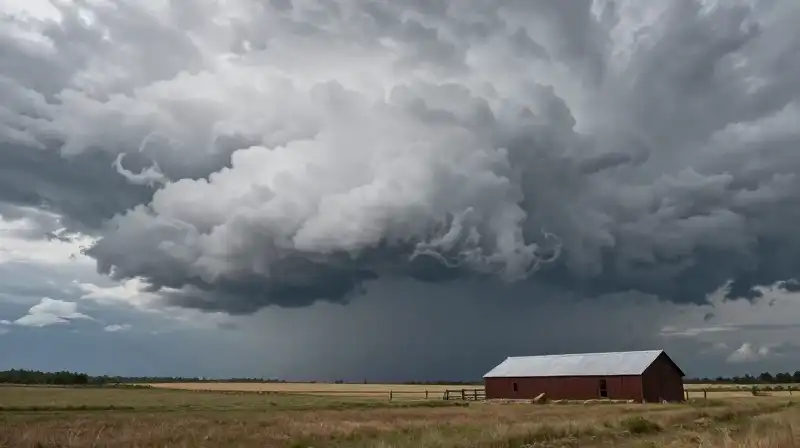
The question of why people willingly reside in regions known as Tornado Alley—a loosely defined zone in the central U.S. and parts of Canada characterized by high severe weather frequency—is not based on a reckless disregard for safety. Rather, it is often a complex calculation of economic opportunity, lifestyle preference, and deep cultural roots. While the threat of a significant tornado is real, the decision to live in these areas is typically driven by perceived long-term rewards that substantially outweigh the statistically managed risks, particularly when viewed through the lens of cost of living.
While the media often presents a dramatic, annual scenario of devastation, the reality for many residents is one of practical adaptation. They are often motivated by stable job markets, affordable land, and the unique cultural fabric of tight-knit communities. The decision to live in Tornado Alley is less a gamble and more a calculated trade-off where the local benefits provide a compelling reason to stay.
Economic Drivers: The Cost-Benefit of High-Risk Living
For many, the decision to choose life in Tornado Alley is fundamentally economic. While the high frequency of severe weather is a notable factor, the underlying economic environment of these rural regions often offers significant advantages. Specifically, the cost of living and the availability of affordable land and housing are powerful magnets for families and businesses alike.
The financial calculus is often balanced by the overall lower expenses in the region, which can offset the higher potential for localized claims. Insurance companies price premiums based on historical data, creating a predictable relationship between risk and cost. In areas where job opportunities are stable—often supported by local industries or infrastructure like military installations—the financial security of local employment frequently balances the variable risk of natural disasters.
Key reasons people remain in these economically competitive areas include:
- Affordability: Access to cheaper land and housing compared to major metropolitan centers.
- Opportunity: The presence of stable, localized job markets.
- Cost Offset: The lower general cost of living mitigating the financial impact of higher insurance rates.
Deconstructing the Risk: Statistics vs. Perception
The public perception of danger often vastly exceeds the actual statistical probability. It is important to clarify that the incidence of a significant tornado is statistically infrequent relative to the massive population of affected areas. The chance of any single home being directly struck by a major storm is low.
Furthermore, most damage caused by tornadoes tends to be repairable rather than catastrophic, resulting in a total loss. Tornado events are generally brief, and the damage is often concentrated in smaller, more remote areas, preventing widespread, region-wide destruction. Residents in Tornado Alley operate with a high degree of weather awareness, viewing these severe storms as a predictable component of local life, similar to other regions that manage predictable, rare hazards like coastal storms or seismic activity.
Managing the Hazard: Insurance and Practical Resilience
Addressing the concern of financial protection, homeowners can absolutely get insurance in Tornado Alley. The insurance industry has developed sophisticated models to assess and price premiums based on specific zones and historical damage severity. This structure allows the companies to remain financially viable while providing cover to residents.
While premiums are higher in high-risk zones, they are calibrated to cover the expected payout across a broad customer base. For individuals, the focus often shifts from avoiding risk entirely to managing it through:
- Precautionary Building: Investing in structural reinforcements and storm cellars.
- Community Preparedness: Adhering to local siren systems and evacuation protocols.
This proactive approach transforms the threat from an overwhelming possibility into a manageable variable, allowing life and economic growth to proceed despite the atmospheric risks.
The Cultural and Emotional Anchor: Community and Belonging
Beyond the spreadsheets and meteorological data, there are profound non-economic reasons why residents remain. For many, the tie to the land, the community, and the birthplace is a powerful psychological force. Tornado Alley fosters deep, tight-knit social networks and familial connections that provide significant emotional ballast.
The cultural identity of the area is strongly reinforced by shared history and resilience. Neighbors know each other, and there is a collective understanding of the local environment. This sense of belonging often outweighs the fear of potential rare events. Moreover, the climate in certain pockets is highly valued, offering plentiful sunshine and weather conducive to outdoor recreation, which enhances the quality of daily life.
Defining the Zone: The Meteorology of Tornado Alley
To understand the environment, one must understand the mechanism. Tornado Alley is characterized by the collision of specific air masses: warm, humid equatorial air meeting cooler, dry air arriving from Canada and the Rocky Mountains. This dynamic interaction creates ideal conditions for supercell storm development, which is the meteorological engine behind the high frequency of severe weather. While historical definitions span Texas, Oklahoma, Kansas, and surrounding states, modern research indicates that the specific zones of peak activity may be shifting, requiring residents to remain adaptable to changing weather patterns.
Practical Considerations for New Residents
Those considering a move to Tornado Alley should view the region not as a danger zone, but as a community that operates under a high level of environmental awareness. If the stability of the regional economy and a desire for a strong sense of community are high priorities, the region can offer a rewarding lifestyle. However, prospective residents must acknowledge the practical reality of living in a high-hazard area.
A prudent decision involves conducting thorough research into local building codes and securing robust insurance policies tailored to severe weather. It is essential to recognize that while the risk is manageable, it requires active participation in local preparedness efforts—treating severe storms as a known, though infrequent, aspect of living in that specific geographic location.
Frequently Asked Questions
Why do people willingly live in Tornado Alley?
People willingly reside in Tornado Alley due to a complex mix of economic benefits, such as affordable housing and stable job markets, and deep cultural motivations, including a strong sense of community and belonging. Residents view the perceived long-term rewards of the region as substantially outweighing the managed risks of severe weather.
Can you get homeowners insurance in Tornado Alley?
Homeowners can absolutely get insurance in Tornado Alley. The insurance industry utilizes sophisticated models to assess and price premiums based on specific zones and historical damage severity.
Guide to Living Safely in Tornado Alley
Research the Environment
Conduct thorough research into the local building codes and the regional economy to assess its stability and suitability for residence.
Secure Insurance and Housing
Secure robust insurance policies tailored specifically to severe weather and invest in precautionary building measures like structural reinforcements or storm cellars.
Maintain Community Preparedness
Active participation in local preparedness efforts, including familiarizing yourself with local siren systems and evacuation protocols.
Embrace Local Awareness
View severe storms as a known, though infrequent, aspect of living in the area, treating the hazard as a manageable variable rather than an overwhelming possibility.
Related Articles