
Canine Instinct: Why Dogs Love Tennis Balls and Safe Play Tips

Introduction
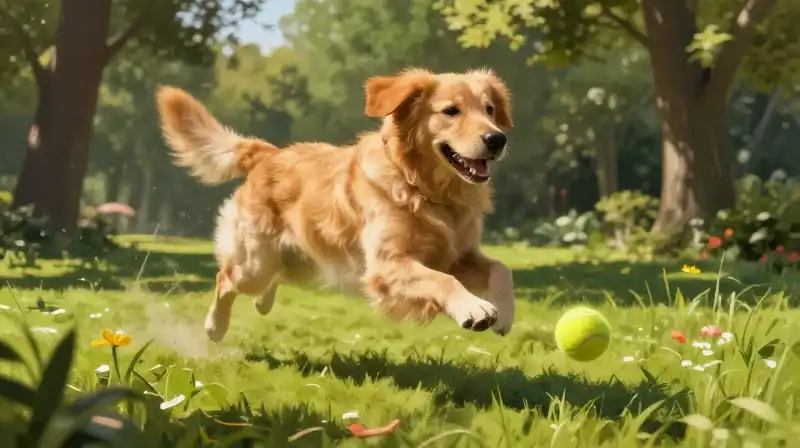
The intense joy a dog experiences when playing with a tennis ball is not mere coincidence; it is a reflection of deep evolutionary programming. While humans view the activity as a fun game, for a dog, it is a powerful stimulus that engages their innate predatory drive. Understanding why do dogs love tennis balls requires looking beyond simple playtime and examining the specific sensory, physical, and psychological mechanics of the ball itself. The combination of predictable yet unpredictable movement, high visibility, and unique textural qualities makes this simple toy a powerful activator of the canine hunt instinct.
The Evolutionary Appeal: Sensory and Instinctual Triggers
Dogs possess a powerful, hardwired evolutionary drive to chase, capture, and retrieve fast-moving objects. Tennis balls are uniquely designed to satisfy this drive, tapping into several critical canine senses and instincts simultaneously.
The shape and movement of the ball are the primary triggers:
- Unpredictable Trajectory: Its round, lightweight structure allows for rapid, uncontrolled bouncing and rolling. This unpredictable movement mirrors the erratic actions of prey, activating the dog’s pursuit wiring.
- Visual Stimulus: Dogs have excellent color perception, and the bright yellow of the tennis ball offers high contrast against most outdoor backgrounds. This immediate visibility ensures the dog can track the object effectively.
- Olfactory and Gustatory Engagement: The fuzzy exterior of the felt allows the ball to efficiently retain scents. Furthermore, the saliva and constant handling build a strong, positive association (a distinct scent and taste) that enhances the appeal of the toy.
This blend of fast movement and sensory engagement creates an immediate reward loop—a satisfying hunt followed by the successful retrieval—which strongly reinforces the dog’s desire to participate in the activity.
The Cognitive and Physical Rewards of Fetch
Playing with tennis balls offers significant benefits that extend far beyond just physical exercise. It provides a robust form of mental stimulation that is often overlooked.
Mental Stimulation and Focus
Unlike passive activities, fetch requires intense focus. The dog must actively track the ball, anticipate where it will bounce or roll, and problem-solve the retrieval path. This continuous need to anticipate and track movement engages the prefrontal cortex, providing valuable cognitive work.
Physical Health and Structure
As a low-cost, high-impact activity, fetching promotes excellent cardiovascular health. The required sprints and movements help maintain muscle tone and joint mobility, which is vital for medium and large breeds. Regular play is a key component of weight management and overall canine fitness.
Matching the Ball to the Dog: Sizing and Suitability
Not all tennis balls are created equal, and size is a critical determinant of satisfaction and safety. The goal is a ball that is challenging but manageable for the dog’s mouth and paws.
Choosing the correct size is crucial for effectiveness and to ensure the dog can carry and retrieve it properly:
- Medium Breeds: Standard-sized dog tennis balls often fit this category, offering a good balance of weight and maneuverability.
- Large Breeds: Specialized, larger tennis balls or those specifically designed for larger dogs are recommended. These larger items provide the necessary weight and size for a fulfilling, challenging retrieval experience.
- Texture Preference: Dogs are often drawn to the soft, slightly abrasive texture of tennis balls, which differs significantly from hard plastic or metal toys.
Risk Mitigation and Safe Play Practices
While the benefits are substantial, it is essential to recognize that standard tennis balls pose specific hazards. Addressing these risks is paramount to ensuring a safe play environment.
Identifying Potential Dangers
The typical felt structure of tennis balls introduces material risks:
- Dental Wear: The fuzzy felt can contribute to dental issues if a dog chews excessively on the toy.
- Choking and Blockages: Wear and tear can cause small pieces of felt or plastic to break off, presenting a significant risk of ingestion, choking, or intestinal blockage.
Best Practices for Play
To maximize enjoyment and eliminate risks, implement these safety guidelines:
- Prioritize Dog-Safe Materials: Opt for specialized, pet-safe tennis balls that utilize non-abrasive, durable materials specifically engineered to withstand canine use.
- Strict Supervision: Always supervise play, especially if the dog is known to chew vigorously. This allows you to catch and remove any damaged pieces immediately.
- Structured Routines: Incorporate routine fetch sessions, perhaps utilizing a ball launcher to increase the physical challenge, which helps reinforce positive behavior and improves communication with your dog.
Summary of Canine Ball Benefits and Safety
In conclusion, dogs love tennis balls because they perfectly satisfy a deep-seated, evolutionary drive to pursue and capture fast-moving objects. The visual brightness, unpredictable rolling physics, and engaging sensory qualities combine to provide both physical exercise and mental stimulation. However, the rewarding nature of the toy must be balanced with careful ownership. By selecting the right size, choosing pet-safe materials, and maintaining strict supervision, you can ensure that the joy of canine instinct translates into safe, meaningful, and healthy playtime.
How to Safely Play Fetch with Your Dog
Prioritize Dog-Safe Materials
Opt for specialized, pet-safe tennis balls that utilize non-abrasive, durable materials specifically engineered to withstand canine use.
Maintain Strict Supervision
Always supervise play, especially if the dog is known to chew vigorously, allowing you to catch and remove any damaged pieces immediately.
Establish Structured Routines
Incorporate routine fetch sessions, perhaps utilizing a ball launcher to increase the physical challenge, which helps reinforce positive behavior and improves communication with your dog.
Related Articles