

How Water Heaters Work: Understanding Types, Operation, and Care

Introduction
A water heater is essentially a thermal management system designed to convert energy into heat, providing the hot water necessary for sanitation, comfort, and daily domestic tasks. While the primary function is straightforward—raising the temperature of incoming cold water—the mechanisms by which this is achieved vary significantly across different models. Whether the unit stores a large volume of heated water or heats water instantaneously as it flows, understanding how these systems operate is crucial for optimizing energy use, managing operational costs, and ensuring long-term safety and reliability.
This guide explores the core technologies behind electric, gas, and heat pump water heaters, clarifying the operational differences between traditional storage and modern tankless models. We will examine how energy conversion works, the factors that determine unit sizing, and essential maintenance practices to prevent failure.
Fundamentals: Storage vs. Instantaneous Heating
At the most basic level, all water heaters fall into one of two functional categories, based on how they manage the water once it is heated.
Storage (Tank) Systems
Traditional storage heaters operate much like a refrigerator: they hold a large volume of water inside an insulated tank. An element or flame raises the temperature of the cold incoming water, and the thermostat maintains that target temperature within the enclosed tank. The water stays hot until it is used. The primary challenge with this design is “standby loss”—the constant, low-level energy required to replace heat naturally lost to the surrounding environment.
Instantaneous (Tankless) Systems
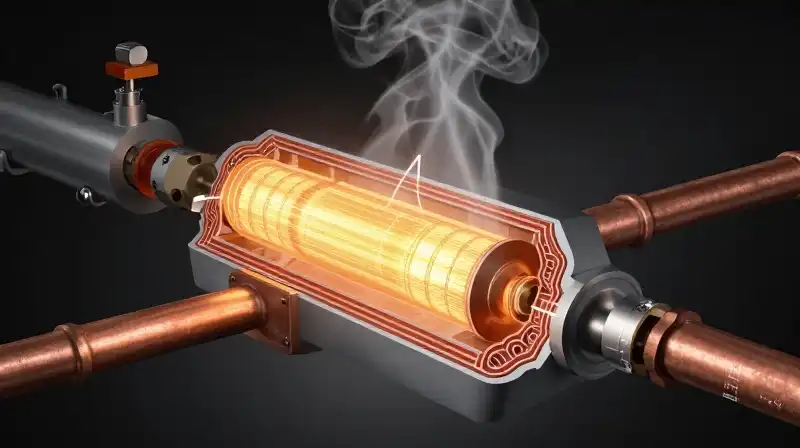
Tankless or on-demand water heaters eliminate the storage tank entirely. Instead, water flows through a coiled internal heat exchanger (or coils). The unit rapidly heats the water as it passes through, delivering immediate hot water on demand. This method avoids standby heat loss, meaning energy is consumed only when hot water is actively flowing.
How Different Energy Sources Function
The method of heat transfer varies depending on the power source utilized by the unit. The three most common systems are electric, gas, and heat pump.
Electric Water Heaters
Electric units rely on electrical resistance. A submerged heating element (similar to a large household toaster) converts electrical energy directly into thermal energy. This heat is transferred to the water. Electric tankless units require significant wattage to heat water rapidly upon demand, making their energy consumption directly tied to usage.
Gas Water Heaters
Gas models operate using combustion. Natural gas or propane is fed to burners, creating a flame that heats an exchanger. Whether this is a gas tank heater or a gas tankless model, the flame transfers thermal energy to the water. A gas unit typically delivers a high rate of heat transfer, which is efficient, though it requires a steady supply of fuel and proper venting.
Heat Pump Water Heaters
Heat pump models represent a highly efficient, advanced approach. Unlike electric resistance or gas, they do not generate heat from the fuel or electricity directly. Instead, they operate similarly to a refrigerator in reverse: they draw ambient heat energy from the surrounding air, transfer it to a refrigerant, and then transfer that warmth into the water within the tank. This process can dramatically reduce overall energy input, though it typically requires more space and a constant flow of ambient air.
Choosing the Right System: A Practical Comparison
Selecting the appropriate unit involves weighing three critical factors: initial installation capacity, operational cost, and usage pattern.
| Feature | Storage (Tank) | Tankless (On-Demand) | Heat Pump |
|---|---|---|---|
| Water Storage | Yes (fixed volume) | No (instant) | Yes (fixed volume) |
| Efficiency Focus | Energy conservation (standby loss) | Eliminating standby loss | Energy transfer (moving existing heat) |
| Space Requirement | Requires significant tank volume | Compact internal unit (no tank) | Requires space for heat exchange/air circulation |
| Peak Demand | Risk of running out during high demand | Provides continuous hot water supply | Good for steady, moderate demand |
Sizing is paramount. You must calculate your household’s peak hour demand—how many taps, showers, and appliances use hot water simultaneously—to ensure the unit can meet this load. Under-sizing any unit will result in inconsistent temperatures and inadequate supply during busy times.
Maintenance and Safety: Ensuring Longevity and Function
Proper care is necessary for all water heaters to prevent structural damage, energy loss, and dangerous malfunctions.
Periodic Flushing and Sediment Removal
Over time, mineral deposits (sediment) from your water supply settle at the bottom of the tank, particularly in traditional models. This buildup forces the heating element to work harder, reduces heat transfer efficiency, and can eventually lead to element failure or tank breakdown. Regularly draining and flushing the tank removes this scale.
Preventing Tank Corrosion and Failure
Corrosion is the primary cause of premature tank failure. Most modern tanks include a sacrificial anode rod. This rod is designed to corrode instead of the tank walls, protecting the steel. Periodically inspecting and replacing this anode rod is a vital maintenance step. Failure to do so can significantly shorten the lifespan of the unit.
Identifying Signs of System Failure
If your water heater is going, you may notice specific changes in operation. Signs that warrant professional inspection include:
- Visible leaks around the unit or connections.
- A distinct metallic smell (often indicating a ruptured tank or failing element).
- Inconsistent hot water temperature or sudden cold water flow.
- Unusual noises, such as loud rumbling or banging (often caused by mineral buildup).
Critical Safety Mechanisms
Safety is paramount in any water heating system. All units must be fitted with a Temperature-Pressure Relief (TPR) valve. This automatic safety device monitors the internal temperature and pressure of the water. If the temperature gets too high or pressure builds excessively, the TPR valve automatically vents the excess pressure, preventing a dangerous explosion or overheating.
Making the Switch: Capacity and Installation Considerations
If considering upgrading from a traditional tank to a tankless system, or converting between gas and electric, the process is complex and cannot be done merely by swapping the appliance.
The decision requires a careful assessment of your existing infrastructure:
- Gas Systems: Switching or installing a gas unit requires a sufficient and properly maintained gas line, as well as adequate ventilation to allow combustion gases to safely exit the building.
- Electric Systems: Electric units, particularly tankless and high-efficiency heat pumps, draw significant power. The existing electrical circuit and breaker capacity must be able to handle the required amperage without tripping.
- Plumbing Capacity: Tankless systems require larger, more immediate flow rates than tanks. If your home’s current plumbing (pipes and fixtures) cannot handle the high instantaneous flow, the tankless unit will suffer from low pressure.
Ignoring these capacity limitations is the most common reason for installation failure and should be handled by a qualified professional familiar with both the unit and the specific building infrastructure.
Optimal Performance and Energy Consciousness
To ensure long-term utility and lowest operating cost, consumers must focus on efficiency. Modern units measure their effectiveness using metrics like the Uniform Energy Factor (UEF) or Energy Factor (EF). A higher numerical value indicates a better ability to convert energy input into usable hot water.
While low operating temperatures (around 125°F) are recommended for balancing energy savings against scald risk, the most significant efficiency improvements come from reducing standby heat loss (favor tankless or heat pumps) and ensuring regular maintenance to keep elements and heat exchangers functioning at peak performance.
Final Recommendations for Water Heater Ownership
Water heaters are essential components of domestic infrastructure, and their longevity is tied directly to thoughtful operation and informed maintenance. Before making a decision on replacement or upgrade, prioritize the following criteria:
- Assess Peak Demand: Calculate the true instantaneous hot water demand of your household to properly size the unit, regardless of the technology chosen.
- Evaluate Existing Infrastructure: Do not assume your current gas line or electrical circuit can support a higher-demand system (like a tankless or heat pump); have a professional conduct a capacity check.
- Prioritize Prevention: Implement a routine maintenance schedule, including anode rod inspections and annual flushing, to extend the life of the appliance and prevent catastrophic failure.
- Understand Your Trade-Offs: Accept that a highly efficient system (like a heat pump) often has a higher initial cost and more complex installation, while the simplest systems (traditional tanks) offer ease of use but constant energy waste.
By understanding the interplay between heat transfer, energy consumption, and system maintenance, you can move beyond simply having a hot water source to managing a reliable and efficient thermal system.
Frequently Asked Questions
What are the signs that your water heater is going?
Signs that a water heater is failing may include visible leaks or a distinct metallic smell. Other potential indicators are inconsistent hot water temperature, sudden cold water flow, or unusual noises like loud rumbling or banging.
Final Recommendations for Water Heater Ownership
Assess Peak Demand
Calculate the true instantaneous hot water demand of your household to properly size the unit, regardless of the technology chosen.
Evaluate Existing Infrastructure
Do not assume your current gas line or electrical circuit can support a higher-demand system (like a tankless or heat pump); have a professional conduct a capacity check.
Prioritize Prevention
Implement a routine maintenance schedule, including anode rod inspections and annual flushing, to extend the life of the appliance and prevent catastrophic failure.
Understand Your Trade-Offs
Accept that a highly efficient system (like a heat pump) often has a higher initial cost and more complex installation, while the simplest systems (traditional tanks) offer ease of use but constant energy waste.
Related Articles