Dog Poop vs. Urine: How Pet Waste Affect Grass Growth

Introduction
Whether dog feces is good for grass is a frequent question, but the simple answer is that it is not a beneficial lawn additive and can actually pose multiple risks to your turf and your family. While the idea of using pet waste as natural fertilizer is appealing, dog feces is primarily a source of pathogens and potential toxins, not a reliable nutrient source for healthy lawns. Conversely, dog urine—which contains nitrogen—offers a different, though manageable, relationship with grass. Understanding the distinct chemical and biological differences between feces and urine is critical for maintaining a healthy, safe, and environmentally sound yard.
The Negative Impact of Dog Feces on Lawn Health
Dog feces is fundamentally incompatible with healthy lawn growth for several reasons. It is not a viable fertilizer because, even when decaying, it harbors dangerous substances that negatively affect living plants, seeds, and the soil structure.
Pathogens and Soil Contamination
Dog feces is a significant vector for various harmful microorganisms. Pathogens such as E.coli, Campylobacter, Giardia, and roundworms are present. These microbes can contaminate soil and water tables, leading to ecological risk and potential human health issues. If dog waste contains substances from dogs consuming unhealthy or chemically additive-packed foods, the health of the local ecosystem can be further compromised.
Toxic Decomposition and Environmental Risks
Fecal matter decomposes into substances that are detrimental to plant life. These substances, along with the heavy concentration of harmful bacteria (including Salmonella), can prevent proper nutrient uptake in the grass. From an environmental perspective, improperly managed dog waste poses risks to groundwater. While some composting is suggested as a method of utilization, professional guidance cautions that standard methods may not kill all bacteria; furthermore, many experts advise against using pet feces in garden compost if the resulting soil is intended for use by children or pets.
Understanding the Unique Role of Dog Urine
While dog feces is toxic and non-beneficial, dog urine has a more complex relationship with grass due to its chemical composition.
Nitrogen vs. Waste
Dog urine contains nitrogen, which is a nutrient essential for grass growth and similar to the nitrogen found in synthetic lawn fertilizers. In theory, this nitrogen can provide a natural boost to grass development. However, the benefits are strongly tied to how the urine is applied and managed.
The Risk of “Lawn Burn”
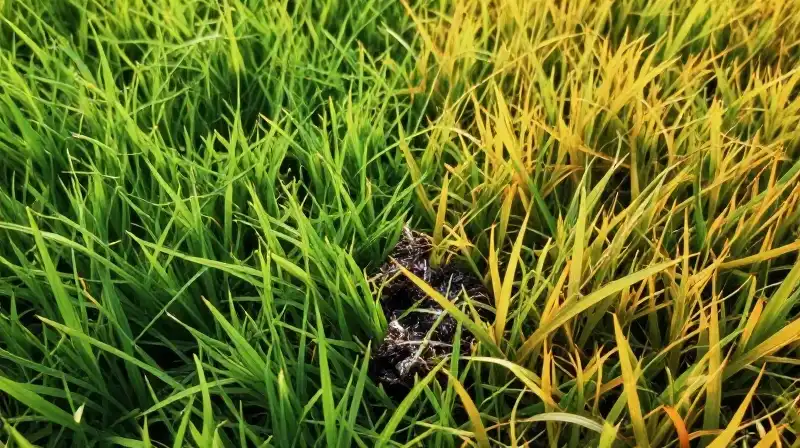
The primary concern with concentrated urine application is not usually the nitrogen itself, but the other dissolved salts and chemicals. Repeated urination in a single, confined area can lead to localized chemical imbalances, salt buildup, and increased acidity in the soil. This stress causes patch deaths known as “lawn burn.” This localized damage is a key difference from the widespread microbial contamination caused by feces.
Addressing People Also Ask: Can Dog Poop Help Grass Grow?
When considering the questions of “Will dog poop help grass grow?” or “Does dog poop make grass grow faster?”, the answer depends entirely on what you mean by “help.”
| Waste Type | Primary Benefit to Grass | Primary Risk to Grass |
|---|---|---|
| Dog Feces | None (No plant nutrients) | Pathogens, toxins, soil contamination, and risk of disease |
| Dog Urine | Provides nitrogen, a vital nutrient for green growth | Localized “lawn burn” due to salt and acidity buildup |
Practical Management: How to Neutralize and Mitigate Damage
Because dog waste presents risks—whether through microbial contamination from feces or chemical imbalance from urine—proper management is necessary. The decision of how to manage pet waste should prioritize safety and lawn integrity.
Addressing Urine Issues and Lawn Burn
To mitigate the effects of concentrated nitrogen and salt buildup, consider these strategies:
- Spot-Potty Training: Training dogs to eliminate in specific, confined areas simplifies the dilution process and makes cleaning manageable.
- Dilution: Watering the affected area helps offset the high concentration of nitrogen seeping into the soil below, reducing the impact of the urine.
- Grass Selection: In areas prone to heavy use, selecting hardy grass types such as fescues, Kentucky bluegrass, and perennial ryegrasses can help the turf recover more effectively.
- Correction: To fix existing “burn” spots, applying extra-fine ground limestone can help neutralize the acidity, followed by reseeding the affected turf.
Safe Handling of Dog Feces
When addressing dog feces on the grass, the best course of action is removal and proper containment.
- Avoid Soil Incorporation: Do not allow dog feces to remain on the surface long-term or allow it to be tilled into garden soil, due to the risk of pathogens like Salmonella and E. coli.
- Consider Alternatives: If disposal is a concern, converting collected pet waste into biogas or methane for energy production offers a sustainable alternative to landfill disposal.
- Manual Removal: For lawn maintenance, the quickest way to ensure safety and curb hygiene is to bag and dispose of the feces in a landfill, effectively containing the contaminants.
Deciding Between Environmental Practices and Public Health
The central debate around pet waste involves balancing environmental ideals against public health and safety risks. Leaving dog feces on the grass is often mistakenly viewed as an eco-friendly choice; however, the immediate threat of pathogens, toxicity, and hygiene issues outweighs any perceived benefit to the environment. Dog feces is not a suitable fertilizer and its immediate negative impact on lawns is clear. Fecal matter is a biological hazard that should be contained. While dog urine provides a natural nutrient, its concentration requires proactive management to prevent “lawn burn.” Ultimately, responsible pet ownership involves using targeted strategies—such as spot-potty training, dilution, and proper cleanup—to manage the chemical balance of the grass and ensure the safety of the surrounding ecosystem.
Frequently Asked Questions
Is it okay to mow a lawn with dog poop?
No, it is not okay to allow dog feces on the lawn because it is not a beneficial additive and poses multiple risks, including pathogens like E.coli, Salmonella, and environmental toxins. The best course of action is proper containment, and owners should avoid allowing the feces to remain on the surface long-term.
What does dog poop do for grass?
Dog feces is not a beneficial lawn additive and is not a viable fertilizer because it is primarily a source of pathogens and potential toxins rather than plant nutrients. Consequently, it can negatively affect living plants and soil structure.
Does dog poop make grass grow faster?
No, dog feces is not a beneficial lawn additive and is not a viable fertilizer. Instead, it is primarily a source of pathogens and toxins that negatively affect living plants, seeds, and the soil structure.
Will dog poop help grass grow?
Dog feces is not a beneficial lawn additive and does not contain plant nutrients to help grass grow. Instead, it can pose multiple risks, as it is incompatible with healthy lawn growth and harbors pathogens and toxins.
How long will dog poop stay in grass?
The article advises against allowing dog feces to remain on the grass surface long-term due to risks such as pathogens and toxins. For lawn maintenance, the quickest and safest way to handle the feces is through manual removal and disposal in a landfill.
How to Mitigate Dog Waste Damage to Lawns
Spot-Potty Training
Train dogs to eliminate in specific, confined areas to simplify the dilution process and make cleaning manageable.
Dilution
Water the affected area to offset the high concentration of nitrogen seeping into the soil below, reducing the impact of the urine.
Correction
To fix existing burn spots, apply extra-fine ground limestone to help neutralize the acidity.
Reseeding
After applying limestone, reseed the affected turf to allow the lawn to recover effectively.
Related Articles