
What Does a Water Heater Do? Understanding Tank vs. On-Demand Units

Introduction
A water heater is fundamentally an essential thermal appliance designed to convert a specific form of energy—usually electrical or combustion—into thermal energy to raise the temperature of cold incoming water. Its primary function is to supply heated water for domestic and commercial use. However, the core distinction in modern technology is how that heat is stored and delivered. Whether a unit holds a large volume of hot water for later use or heats water instantaneously as it flows through the plumbing, the technology dictates the energy consumption and the hot water experience of the home. This guide breaks down the mechanics of both traditional storage and on-demand systems to help you understand which operational model is right for your needs.
The Science Behind Water Heating
At its simplest, a water heater operates by transferring heat from a power source to the water. Both models utilize heating elements (resistance coils) or gas combustion (a burner flame) to elevate the water temperature above its natural cold state. In a basic mechanism, a cold water inlet is introduced to the unit and passed through a medium that absorbs the thermal energy. * In electric models, a heating element converts electrical energy directly into heat. * In gas models, the fuel (natural gas or propane) burns to create a flame, which heats a heat exchanger. The operational difference lies in where and when this heat meets the water.
The Traditional Storage Tank Model
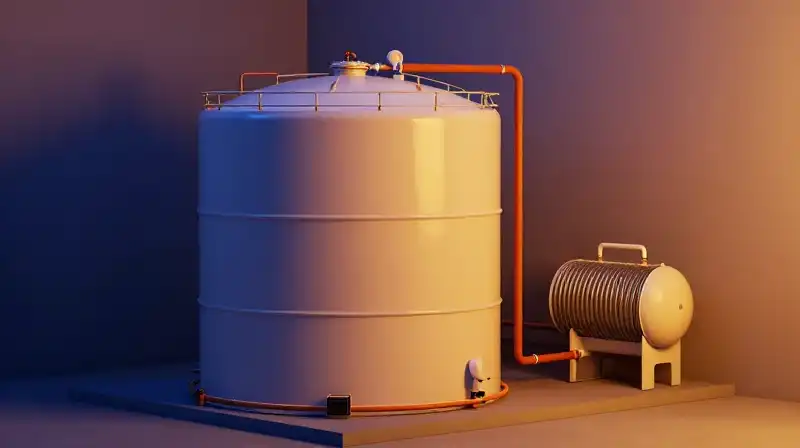
Conventional tank water heaters, the industry standard for decades, function on a “storage” principle. They contain a pressurized, insulated tank that holds a specific volume of hot water. A heating element or burner warms this entire volume to a predetermined target temperature, which is maintained by an integrated thermostat. The unit constantly monitors the temperature and periodically adds more energy (through electrical resistance or a gas burner) to offset the heat lost to the surrounding environment—a process called standby heat loss. A key disadvantage of the storage model is the risk of “running out of hot water” during peak demand. If two people take long showers simultaneously, the volume in the tank might be depleted before the system can reheat it fully. While reliable and cost-effective for moderate usage, the unit also represents stored heat that is continuously held, regardless of whether it is actively being used.
The Modern Tankless (On-Demand) System
Tankless, or “on-demand” water heaters, fundamentally reject the concept of a storage tank. Instead, they heat water instantly as it flows through the appliance. As cold water enters the unit, the heating coils or a flame immediately raises its temperature to the desired set point before the hot water exits the system. This operational method delivers continuous hot water and eliminates standby heat loss. Since the unit only requires energy when water is actively being consumed, its energy usage is directly proportional to your usage—a significant functional advantage for households with high peak demand. However, tankless units typically require a high, sustained amount of power to rapidly bring cold water to a high temperature, especially compared to the steady, low maintenance energy draw of a smaller storage tank.
Comparison: Storage vs. On-Demand
The choice between these two systems involves a trade-off between capacity, convenience, and energy profile:
| Feature | Storage Tank (Traditional) | Tankless (On-Demand) |
|---|---|---|
| Energy Use | Consistent low draw to maintain temperature | High draw activated only upon demand |
| Hot Water Availability | Finite (must reheat if demand is too high) | Continuous (provides hot water indefinitely) |
| Physical Footprint | Requires space for a tank | Often compact, wall-mounted, or slim |
| Key Drawbacks | Standby heat loss, limited peak flow | High power requirements, high initial cost |
Sizing and Capacity: Matching the Heater to Your Household
A critical error in water heater installation is choosing a unit that cannot meet the peak hour demand of the occupants. Water heaters must be properly sized based on the highest combined flow rate of multiple fixtures used at once. * **For Storage Tanks:** Capacity is measured in gallons. A family of four with moderate usage might need a 40-gallon unit, whereas a larger family or a home with multiple bathrooms requires a significantly larger tank. * **For Tankless Units:** Capacity is measured in gallons per minute (GPM) and required temperature rise. If your home requires multiple showers at the same time, the tankless unit must be able to deliver enough GPM at the required temperature without dropping the flow, which is the primary bottleneck in on-demand heating.
When to Call the Plumber: Recognizing System Failure
To address the common worry, “What are the signs that your water heater is going?”, systems often provide early warning signs of maintenance issues. These signs suggest the appliance is under strain or has reached the end of its lifecycle, necessitating professional inspection: 1. **Inconsistent Temperatures:** If hot water runs lukewarm or temperature wildly fluctuates, the thermostat or heating element is likely failing. 2. **Visible Leaks or Rust:** Rust spotting around the base of a tank, or leaks from the seals, indicates internal tank corrosion or a compromised pressure vessel. 3. **Strange Noises:** Popping, hissing, or rumbling sounds often signal sediment buildup in the tank, forcing the heating elements to work harder and potentially causing damage. 4. **Low Pressure or Reduced Flow (Tankless):** In an on-demand system, if the flow suddenly decreases even when the unit is running, the system may be clogged or the heating coil may be obstructed. 5. **Temperature-Pressure Relief (TPR) Valve Activation:** The automatic discharge of water from the TPR valve is a safety feature designed to prevent dangerous pressure buildup. Frequent activation is a definitive sign of internal pressure issues or a defective pressure valve that needs replacement.
Practical Considerations for Decision Making
The decision between storage and on-demand heating often depends less on the technology and more on the specific context of the property. If you have older plumbing, a tankless conversion may require significant upgrades to gas, electrical, or venting capacity. Furthermore, while heat pumps represent a highly efficient, sophisticated alternative that draws warmth from the surrounding air rather than generating heat directly, they are best suited for climates where ambient air temperature remains relatively warm, and they require specialized installation compared to standard gas or electric units. The ultimate choice must weigh the initial investment, installation complexity, utility rates, and the specific hot water needs of the household.
Frequently Asked Questions
What are the signs that your water heater is going?
Signs that a water heater is failing include inconsistent temperatures, visible rust or leaks, and strange noises such as popping, hissing, or rumbling. Furthermore, frequent activation of the temperature-pressure relief (TPR) valve or low pressure/reduced flow in a tankless system suggests a need for professional inspection.
Related Articles