
No Cat Back Exhaust: Performance, Sound, and Legal Risks

Introduction
The pursuit of a specific sound or enhanced exhaust flow often leads enthusiasts to consider a “no cat back exhaust”—a modification involving the intentional removal of the vehicle’s catalytic converter. While the concept promises maximum exhaust flow and a distinct, aggressive sound profile, the modification sits at a complicated intersection of automotive engineering, acoustic science, and legal liability. Understanding the difference between a standard catback system and a completely catless setup is crucial before undertaking such a modification.
Understanding the Exhaust Modification Spectrum
To discuss “no cat back exhaust,” it is necessary to first define the terminology, as the terms are often used interchangeably but describe distinct components of the exhaust system.
Catback vs. Catless
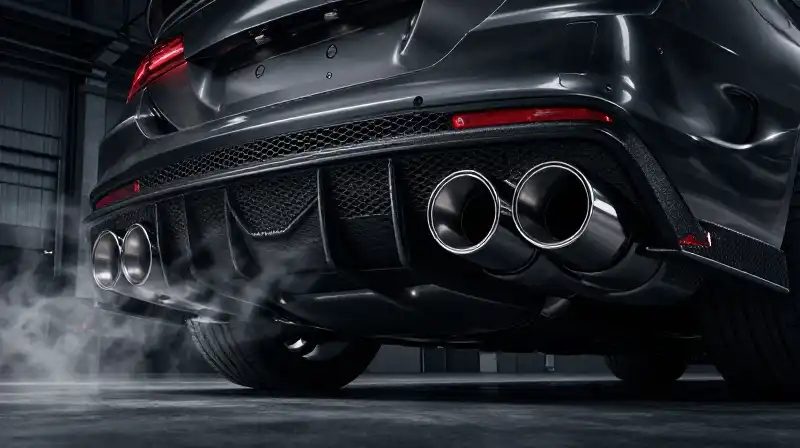
A standard catback exhaust system refers to the components installed *after* the catalytic converter, typically including the mufflers and resonators. These systems are designed to enhance sound and flow while keeping the emission control device (the catalytic converter) intact. In contrast, a catless system, or “no cat back exhaust,” involves replacing the section of exhaust where the catalytic converter resides with alternative components, such as straight pipes, specialized mufflers, or straight pipe sections, thereby bypassing the emissions treatment entirely.
Exhaust System Objectives: Sound vs. Flow
Automotive exhaust modifications generally fall into two functional categories:
- Acoustic Enhancement: Utilizing resonators and mufflers to manipulate pressure waves and achieve a specific, desired sound profile (e.g., a deep, smooth rumble vs. an aggressive, high-volume tone).
- Flow Enhancement: Removing restrictive elements like the catalytic converter to increase gas velocity and potentially improve performance. This is often achieved through straight piping (like Magnaflow or Walker collector pipes).
While flow is a performance metric, sound is often the primary driver for catback modifications.
Performance Claims Versus Practical Gains
The primary rationale cited for adopting a catless system is the increase in horsepower through maximized exhaust flow. However, the reality of these performance gains requires careful qualification.
The Minimal Performance Reality
For most modern vehicles, the performance increase achieved by removing the catalytic converter is often minimal. The majority of resistance and flow restriction occurs much further upstream, in the turbocharger and the piping immediately following the engine. Since a catback setup primarily focuses on the rear components, the overall performance boost from the rear pipes alone is often negligible compared to the gains made by addressing the throttle body or forced induction systems.
Operational Compromise: High Flow vs. Emissions
Catless systems achieve maximum flow because the chemically reactive platinum within the catalytic converter—which is designed to scrub harmful pollutants—is removed. While some enthusiasts suggest using high-flow universal catalytic converters as a compromise to manage emissions slightly, true catless modifications offer the maximum potential for flow but come at the direct cost of drastically increased emissions.
The Legal and Safety Mandates of Removing the Cat
This is the most critical aspect of considering a no cat back exhaust. The decision to install one involves significant risk and regulatory hurdles that cannot be ignored.
Legal Non-Compliance and Liability
In the vast majority of regions, including most states and countries, a vehicle is required by law to have an intact, functioning catalytic converter. Removing the cat makes the vehicle non-compliant with regional and state emission standards. This carries substantial risks, including:
- Fines and penalties during routine vehicle inspections.
- Potential issues with vehicle registration and insurance.
- Increased scrutiny from law enforcement regarding pollution standards.
Engine Computer Management
Modern vehicles are equipped with oxygen sensors that constantly monitor the efficiency of the catalytic converter. When the cat is removed, these sensors detect the altered chemical readings, triggering the engine computer to illuminate the Check Engine Light (CEL) or setting a fault code. Successfully running a catless system often requires specialized electronic modifications—such as sensor delete modules—to trick the engine computer into ignoring the missing component.
Health and Safety Risks
The most immediate safety concern associated with bypassing the catalytic converter is the inhalation of raw, uncombusted exhaust fumes. Catalytic converters are crucial because they ensure that toxic gases (like carbon monoxide and nitrogen oxides) are safely converted. Bypassing this process means the exhaust contains higher concentrations of these pollutants, posing a direct health risk, particularly in enclosed spaces or during heavy idling.
Selecting the Right Exhaust Setup
If an individual chooses to pursue rear-end exhaust modifications, the goal must be clearly defined—whether it is purely aesthetic, sound-focused, or maximum flow.
| Exhaust Type | Primary Goal | Sound Profile | Performance Impact |
|---|---|---|---|
| Catback System (Standard) | Acoustic tuning and flow improvement | Varies (Smooth, deep, aggressive) | Moderate (Primarily aesthetic) |
| Catless / Straight Pipe | Maximum flow and aggressive sound | Loud, unrestricted, aggressive | Minimal (Focus is flow, not power) |
| Overland/Utility Systems | Off-road durability and capability | Durable, focused on function | Improved durability/utility |
| Race Exhaust | Maximum mass reduction and flow | Highly aggressive, zero mufflers | Focused on competition standards |
Practical Decision Criteria for Exhaust Modification
Before committing to any modification, these criteria should guide the decision-making process:
- Define Intent: Is the modification primarily for the sound, the visual appeal, or genuine performance gains? If sound is the priority, a high-quality catback with resonators (like those in the Street/Touring categories) is usually sufficient and legally safer than a catless setup.
- Assessment of Legal Risk: Be absolutely certain of your local and regional emissions laws. If the modification requires operating outside of certified emission standards, the legal risk must be weighed against the subjective enjoyment.
- Understand the Trade-offs: Accepting a catless setup means accepting dramatically increased emissions and the need for specialized electronic modifications to avoid detection by the engine computer.
- Consider Compromise: If the goal is reduced raw output while retaining a modified feel, investigating high-flow universal catalytic converters can provide a middle ground between a stock setup and a fully catless configuration.
The path toward a specific exhaust sound profile or flow characteristic requires a clear understanding of the mechanical function of each component. While catless systems offer the most extreme flow, they present insurmountable issues regarding legality, environmental compliance, and engine safety. For the vast majority of users, a well-chosen catback or performance-oriented system provides the desired sound and mild performance improvements without the significant regulatory and health risks associated with bypassing the catalytic converter.
Practical Guide to Exhaust Modification Decision-Making
Define Intent
Determine if the modification is primarily for sound, visual appeal, or performance gains; if sound is the priority, a high-quality catback system may be sufficient and legally safer.
Assess Legal Risk
Be certain of your local and regional emissions laws, as operating outside of certified emission standards may result in significant legal risk.
Understand the Trade-offs
Accept that pursuing a catless setup involves increased emissions and the necessity of specialized electronic modifications to prevent the engine computer from triggering error codes.
Consider Compromise
If a middle ground is desired, investigate high-flow universal catalytic converters to balance the benefits of modification with reduced emissions and reduced raw output.
Related Articles