
How to Dry Linen Properly: Avoiding Dryer Damage and Shrinkage

Introduction
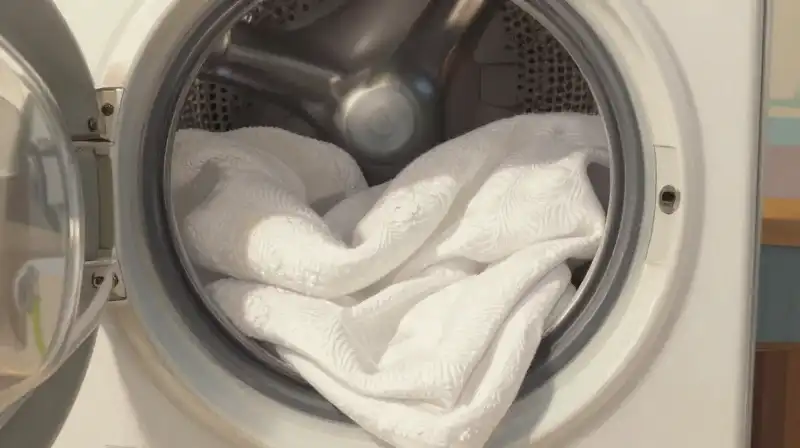
The question of whether you can dry linen in the dryer is not a simple yes or no; it depends entirely on the intended outcome and how you manage the process. Linen, famous for its strength and breathability, possesses a unique, long fiber structure that makes it resistant to wear but highly sensitive to mechanical stress and extreme heat. Aggressive agitation or severe over-drying can lead to permanent fiber breakdown, significant shrinkage, and a loss of the material’s distinct drape and texture. While linen can be placed in a dryer, its proper care—avoiding dryer damage and subsequent shrinkage—requires careful selection of settings and methods.
Understanding Linen’s Structure and Sensitivity
To determine the safest way to dry your linen, it is essential to understand what makes the fabric unique. Linen fibers are characterized by being naturally thick, strong, and exceptionally long compared to fabrics like cotton. This structural integrity is what gives it its durability. However, this same unique mechanical structure is also its greatest vulnerability. Aggressive mechanical agitation—such as violent tumbling in a dryer—can physically break the long linen fibers, leading to a premature degradation of the fabric’s quality. Furthermore, when linen is allowed to dry under severe heat, it retains the configuration it locks into, making the risk of permanent damage or extreme shrinkage (up to 10% in certain scenarios) substantially higher.
When and How to Use the Dryer (Can you dry linen in the dryer?)
In many scenarios, air drying is the preferred method to preserve linen’s integrity, yet using a dryer is feasible if proper precautions are taken. When you decide to put linen in the dryer, it is crucial to recognize that you are trading some fiber protection for convenience. To mitigate the risk of damage and excessive shrinkage, adhere to these guidelines:
- Low Heat is Mandatory: Always use the lowest possible heat setting. High temperatures are the primary cause of irreparable damage, potential melting, and permanent structural changes to the fabric.
- Mechanical Care: Limit the duration of the tumble cycle. Excessive tumbling increases friction, which can accelerate fiber breakdown.
- Check the Label: Always verify the specific care instructions on the garment’s label. This provides context on whether the manufacturer has accounted for specific washing or drying requirements for that specific piece.
It is important to note that even when machine-drying, linen can generate a high volume of residue, necessitating frequent cleaning of the dryer’s lint trap.
The Superior Method: Air Drying Linen Properly
For those seeking the absolute best results—maximum longevity, retained fiber integrity, and minimal shrinkage—air drying remains the superior choice. This method allows the linen’s inherent strengths to shine while eliminating the risks associated with both mechanical friction and thermal stress. Optimal air-drying approaches include:
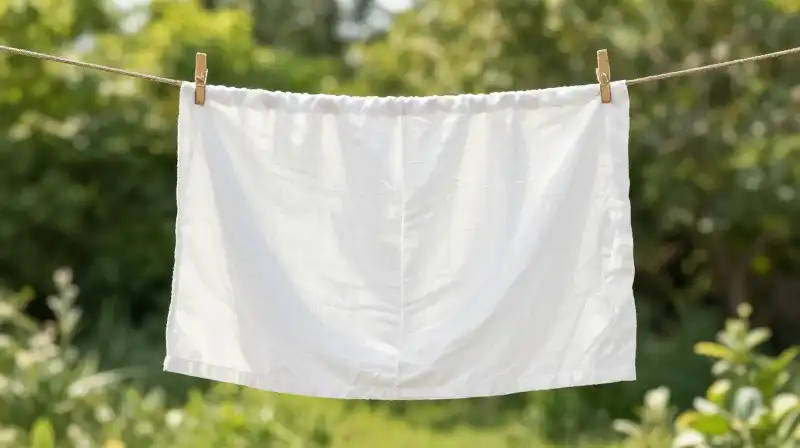
- Line Drying: This is the gold standard for linen care. Hanging pieces outside (line-drying) allows the fabric to dry naturally and minimizes agitation. This preserves the structural quality and ensures the longest lifespan.
- Strategic Placement: If a drying line is unavailable, utilize strategic placement, such as hanging over doors or in an area with strong air circulation.
- Using Fans: Position a fan near the drying area. The increased air circulation significantly speeds up the evaporation process, which is a practical way to answer “how to dry linen fast” without using heat.
Handling Laundry Errors: Accidentally Putting Linen in a Dryer
If you have accidentally placed linen in the dryer, do not panic, but act quickly to minimize damage. Immediate action is vital to prevent the fibers from absorbing damaging heat and mechanical stress.
- Transfer Immediately: Remove the linen from the dryer as soon as possible.
- Check for Damage: Inspect the items for visible changes, such as severe shrinkage or fiber breakdown.
- Controlled Drying: If the linen remains damp, use the lowest heat setting for a very short cycle, or, ideally, transfer it to a flat surface and allow it to air dry completely to prevent further structural changes.
Differentiating Drying Methods for Aesthetics and Function
The goal of drying linen can vary depending on whether the item is meant to be worn or stored.
| Goal/Outcome | Recommended Method | Notes |
|---|---|---|
| Preserving Longevity & Fiber Quality | Air Drying / Line Drying | Best for 100% structural integrity; minimizes shrinkage risks. |
| Fast Drying of Bulk Items | Dryer (Lowest Heat, Short Cycle) | Use only if air drying is impossible; monitor closely for heat damage. |
| Removing Severe Wrinkles (Pre-Ironing) | Washing and Damp Air Drying | Damp linen is easier to iron and allows high heat to relax fibers effectively. |
Final Precautions: Protecting the Investment
Linen is a durable and sustainable fabric, but its versatility does not equate to indestructible. Its best care involves a combination of gentleness and informed decision-making. To summarize the priorities for maintaining your linen:
- Prioritize Air Circulation: Whenever possible, rely on line drying or using fans to move air across the fabric.
- Be Vigilant with Heat: Never use the highest temperature settings for extended periods. Excessive heat is the main catalyst for irreversible damage and melting.
- Account for Shrinkage: Remember that linen is susceptible to shrinking, and always check your finished garment for substantial changes after machine drying.
- Follow Instructions: The manufacturer’s care label is the ultimate authority on safe use for your specific item.
By balancing the convenience of the dryer with the structural necessity of gentle care, you can ensure that your linen maintains its characteristic crisp texture and enduring quality for years.
Frequently Asked Questions
How to dry linen fast?
To dry linen fast, you can position a fan near the drying area to speed up evaporation while air drying, or use the dryer with the lowest heat setting for a short cycle.
How to handle linen accidentally placed in a dryer
Transfer Immediately
Remove the linen from the dryer as soon as possible to prevent the fibers from absorbing damaging heat and mechanical stress.
Check for Damage
Inspect the items for visible changes, such as severe shrinkage or fiber breakdown.
Controlled Drying
If the linen remains damp, use the lowest heat setting for a very short cycle, or ideally, transfer it to a flat surface and allow it to air dry completely.
Related Articles