
Underwater Flare Technology: How Submerged Combustion Works

Introduction
The function of flares—whether for emergency signaling, warning, or specialized tasks—is fundamentally dependent on atmospheric conditions. When moving from open air to an aquatic environment, the traditional principles of combustion are severely tested by the presence of water. The short answer to whether flares work underwater is complex: standard road flares face significant challenges and may fail, while specialized, engineered underwater flares are specifically designed to function successfully while fully submerged. Understanding the technology behind submerged combustion requires looking beyond typical roadside ignition to the unique chemical and physical mechanisms that allow them to operate in hostile aquatic environments.
The Chemistry of Submerged Combustion
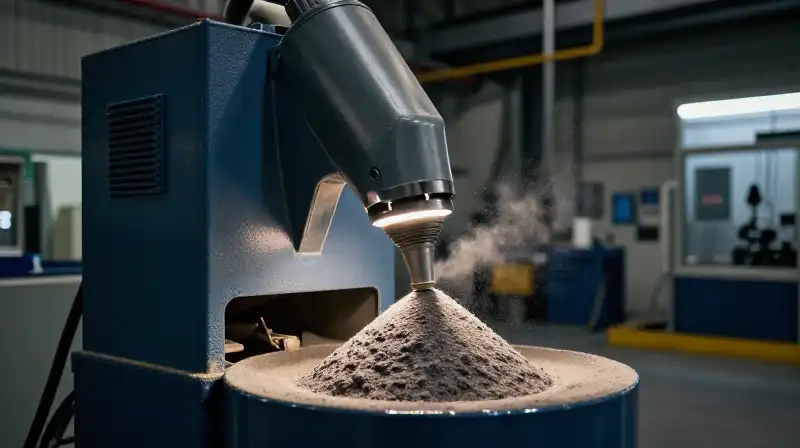
Standard combustion requires three elements: a fuel, an oxidizer, and a heat source. In typical atmospheric burning, the oxidizer is the oxygen () present in the ambient air. When a standard flare is submerged, the surrounding water effectively displaces the necessary gaseous oxygen, which usually causes the flame to extinguish rapidly. Underwater flares overcome this limitation by integrating the necessary oxygen directly into the chemical structure of the fuel source. These devices utilize stored chemical compounds called oxidizers, such as certain nitrates or sulfates. These compounds, along with powdered metals like aluminum, calcium, or magnesium, form a stable, solid mixture. When ignited, the internal chemical reaction releases sufficient heat and generates its own oxygen locally, allowing the combustion to proceed independently of the surrounding water.
Standard Road Flares vs. Specialized Underwater Flares
It is a common assumption that any road flare will continue to burn if submerged, but this is not always the case. The performance of a standard chemical signaling device depends heavily on its specific formulation and external pressure.
Standard Road Flares (Submergence Test):
While the internal oxidizer may continue to react, the presence of cold water and the physical disruption to the chemical reactants often hinder efficient combustion. If a standard flare is submerged, it may continue to burn for a brief period due to its internal oxygen source, but the reaction often becomes unstable, leading to reduced visibility and signal strength. Furthermore, the primary function of a smoke flare—visibility—is severely compromised by the water itself, making the signaling effort less effective.
Specialized Underwater Flares (Engineered Function):
True underwater flare technology employs specific engineering solutions to maintain performance:
- Chemical Formulation: The mixture is designed for sustained, high-efficiency reaction in an aqueous medium.
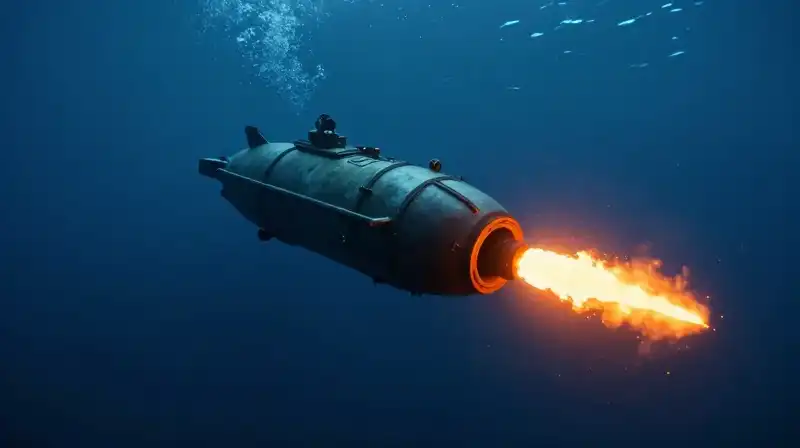
- High-Pressure Isolation: Some devices use internal components or specialized tips that generate compressed air jets. These jets create a protective, enclosed bubble around the flame, shielding the ignition source and insulating the heat from the immediate cooling effect of the surrounding water.
- Structural Integrity: These flares operate with a sealed, high-integrity casing capable of withstanding significant external pressure (e.g., 5 atmospheres or more) without premature failure.
Anatomy of the Device: What Underwater Flares Are Made Of
The composition of a functional underwater flare is a carefully balanced chemical system. It is designed to maximize the reaction rate while minimizing the impact of external water.
The core structure typically includes:
- Fuel Source: Powdered metals (aluminum, calcium, magnesium) serve as the primary fuel. These metals react readily when exposed to an oxidizing agent.
- Oxidizer: Potent compounds like sulfates or nitrates that contain the necessary oxygen to sustain the flame even when external oxygen is absent.
- Binder/Matrix: A medium that keeps the fuel and oxidizer in constant, efficient physical contact, ensuring the reaction does not slow down due to separation.
- Sealed Housing: A robust casing necessary to withstand deep water pressure and maintain the integrity of the combustion process.
Operational Limitations and Safety Precautions
While engineered devices allow for sustained burning underwater, operating any submerged combustion device involves limitations and risks that must be understood.
The Limits of Visibility: The most critical operational constraint for any signaling device is that the water itself severely limits the visibility and dispersal of the resulting light and smoke. Even if the flare burns perfectly, its primary purpose as a visible signal is diminished underwater. Specialized flares are intended for environments where signal delivery is secondary to localized warning or specific operational needs.
Handling and Pressure Risks: Attempting to operate any chemical device underwater, especially under high pressure, is dangerous. Operating a flare requires that it is a sealed, high-integrity component. Damage to the casing or premature failure due to handling can lead to uncontrolled chemical reactions or rapid device failure. Always consult manufacturer specifications regarding maximum pressure and depth ratings before deployment.
Application Scenarios: While the technology allows for operation in aquatic environments, the use of underwater flares is highly specialized. Unlike general emergency road flares, these are typically industrial tools or high-end marine equipment used for critical warning or specific operations, not general emergency signaling in open water.
Decision Criteria: Selecting the Right Underwater Signaling Tool
If you require a device for a marine or aquatic environment, the decision hinges on the intended purpose:
| Scenario/Need | Ideal Device | Criteria/Reasoning |
|---|---|---|
| Emergency Signaling (Visibility in open water) | Surface-level, high-intensity Marine Flares | Maximizes atmospheric dispersal and light projection, sacrificing submerged functionality. |
| Localized Warning/Target Identification (Fully Submerged) | Specialized Underwater Signal Flare | Designed with internal pressure compensation and chemical formulations for sustained function beneath the surface. |
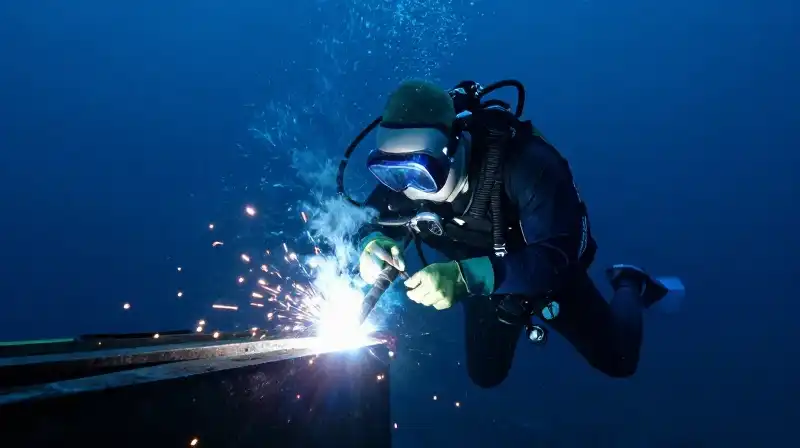
| Precision Cutting/Industrial Tasks | Underwater Cutting Torch | Utilizes compressed shielding gas to mechanically isolate the flame/reaction from water contact, a different principle entirely. |
Conclusion: Integrating Chemistry and Engineering
The ability of a flare to function underwater is not a matter of traditional combustion surviving moisture; it is the result of advanced chemical engineering. By integrating powerful oxidizers and utilizing physical barriers—such as internal gas bubbles or highly resilient casings—specialized underwater flares effectively bypass the need for atmospheric oxygen. While the visibility limitations of the aquatic environment must always be accounted for, these technologies provide a reliable, chemically sustained source of light and heat in depths where typical emergency signaling equipment would fail.
Frequently Asked Questions
What are underwater flares made of?
The core structure of a functional underwater flare consists of powdered metals, such as aluminum, calcium, or magnesium, serving as the fuel, paired with potent oxidizer compounds like sulfates or nitrates. These components are kept together by a binder/matrix and enclosed within a robust, sealed housing designed to withstand external water pressure.
Are there flares that work underwater?
Yes, specialized, engineered underwater flares are specifically designed to function successfully while fully submerged. These devices overcome the limitations of aquatic environments by integrating necessary oxygen directly into the chemical structure of the fuel source.
Will a flare go out underwater?
Standard road flares may extinguish or become unstable when submerged because water displaces the necessary gaseous oxygen. However, specialized, engineered underwater flares are specifically designed to function successfully while fully submerged using internal oxidizers and protective technology.
Related Articles