
What Does More Dry Mean on a Dryer and When to Use It?

Introduction
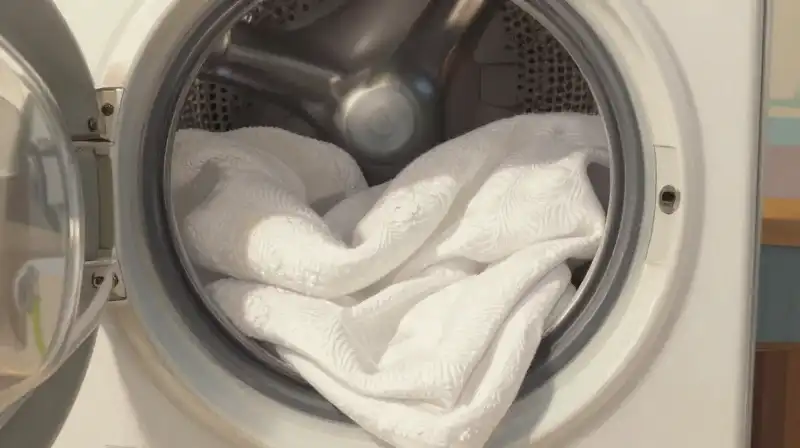
On a modern dryer, the “more dry” setting is designed to extend the drying cycle past the point of standard readiness. It represents a commitment to maximum moisture removal, taking the appliance beyond the standard “normal dry” cycle to ensure garments are practically bone-dry and ready for immediate use, such as putting away in a drawer or wearing. For many users, the primary question—what makes “more dry” different from “normal”? The distinction lies in the target moisture level: while normal dry aims for standard fabric readiness, more dry guarantees that all residual moisture has been extracted, often involving an extended runtime or a sustained increase in heat intensity.
The Mechanics of “More Dry” vs. Standard Settings
The functionality of “more dry” is rooted in how the dryer concludes its cycle, whether based on a timer or sophisticated sensor feedback. In essence, selecting this mode instructs the internal mechanisms to continue the drying process until the moisture sensor detects levels significantly lower than those targeted by normal settings. In sensor-dry models, “more dry” commands the dryer to remain operational even after it has reached the moisture-reduction threshold of a normal cycle, forcing the drum to operate until virtually no moisture remains. This ensures that the desired maximum dryness is achieved, often resulting in maximum crispness. In timed-dry models, the “more dry” setting typically functions by automatically extending the predetermined run time or by increasing the heat level during the cycle to aggressively extract the last bits of dampness. This setting is ideal when the load contains thick, moisture-heavy materials that the normal cycle cannot fully penetrate.
When to Use the “More Dry” Setting
Understanding the specific scenarios where “more dry” is beneficial helps optimize both garment longevity and drying efficiency. This setting should be used when the functional requirements of the garment mandate complete dryness. Consider these key applications:
- Heavy Loads: When drying bulky items such as thick denim, heavy towels, quilts, or layers of bedding, the normal setting may leave pockets of moisture. More dry penetrates these dense fibers to ensure thorough drying throughout.
- Immediate Use/Storage: If the garments need to be stored immediately or worn without any lingering dampness, more dry guarantees the fabric is at its driest state.
- Preventing Mold or Mildew: For gym clothes or heavily soiled items, the more aggressive removal of moisture prevents the formation of mildew and ensures full sanitation after the wash.
Differentiating “More Dry” from “Less Dry”
The decision between more dry and less dry often determines the subsequent care process for the clothes. | Feature | More Dry | Less Dry | | :--- | :--- | :--- | | **Moisture Level** | Extremely Low (Maximum removal) | Moderate (Residual dampness left) | | **Primary Use Case** | Heavy fabrics, bedding, items needing immediate use | Garments requiring ironing or air drying | | **Output Quality** | Maximum crispness, structural dryness | Softness, natural drape | | **Energy Use** | Higher (Longer run time/Higher intensity) | Lower (Cycle terminates earlier) | | **Fabric Impact** | Higher risk of wear or fading if overused | Gentler, reduces risk of shrinking/fading | The “less dry” setting is the logical counterpart to more dry; it intentionally leaves residual moisture. This residual dampness is crucial for garments intended for ironing, as the heat and steam from the press work more effectively on slightly damp fabric to smooth wrinkles. It is also often preferred for delicates to prevent excessive heat damage.
Practical Considerations: More Dry vs. Automatic Dry
Users often ask what the difference is between “More Dry” and the “Automatic Dry” (or Sensor Dry) function. While both aim for complete dryness, they operate under slightly different principles. The “Automatic Dry” function relies solely on the moisture sensor. It runs the dryer until the moisture sensor reads zero or below the set threshold. This is generally the most efficient option, as the dryer stops precisely when needed, preventing energy waste. In contrast, the “More Dry” setting often acts as a fixed, high-intensity command. Even in sensor-dry models, selecting “More Dry” might not stop the cycle purely at the first moisture threshold; it might force the dryer to continue at a higher heat level or for a longer duration to ensure that the threshold is crossed decisively and permanently.
Navigating Dryer Settings and Avoiding Over-Drying
The primary function of the “more dry” setting is to prevent inadequately dry clothes, but it requires careful management to avoid the risks associated with over-drying. Over-drying leads to fabric shrinkage, the degradation of fibers, and can cause colors to fade prematurely. If you find that even with “more dry,” your clothes are excessively wrinkled or stiff, this may be due to a combination of factors:
- The Fiber Type: Delicate fabrics, wool, and silk require “Gentle” or “Delicate” settings, as high-heat drying (which “more dry” often implies) can damage the material.
- Cycle Length: “More dry” is not always necessary. If your machine frequently requires this setting, it may be a sign that the load size is too large for the drum, or that the detergent is leaving behind sticky residue, impeding moisture release.
Using the “More Dry” setting, while providing ultimate dryness, does increase energy consumption and places more stress on the garment. Always evaluate the desired outcome—do you want the maximum crispness of a fresh sheet (More Dry) or the soft drape of an item ready for a quick press (Less Dry)? Choosing the appropriate setting depends entirely on the textile’s composition and its intended next use.
Final Synthesis: Choosing Your Optimal Dry Cycle
Ultimately, selecting “more dry” is a choice driven by performance and need rather than fabric necessity. If your goal is immediate, flawless readiness for storage or wear—especially for heavy loads—“more dry” is your most effective tool for extraction. However, for everyday fabrics and items where fabric integrity and energy savings are paramount, the “Normal Dry” or, for specialized tasks, the “Less Dry” or “Permanent Press” modes provide a superior balance. Evaluate the load composition against your desired outcome: the certainty of maximum dryness versus the preservation of fabric life.
How to Use the Dryer's More Dry Setting Effectively
Evaluate the Garments and Goal
Determine if the garment requires maximum crispness for immediate storage or heavy-duty moisture removal.
Inspect Fiber Type
Check the fiber composition of the clothing; delicate materials like wool and silk require gentle settings, as More Dry implies high heat and can cause damage.
Assess Load Size and Maintenance
If the machine requires the More Dry setting frequently, consider if the load size is too large for the drum, or if residue is impeding moisture release.
Select the Optimal Setting
Choose the appropriate cycle based on textile composition and next use: use More Dry for maximum extraction, Less Dry for ironing, or Normal Dry for standard everyday fabrics.
Related Articles