
How Does a Snorkel Work? Understanding Subsurface Breathing Mechanics

Introduction
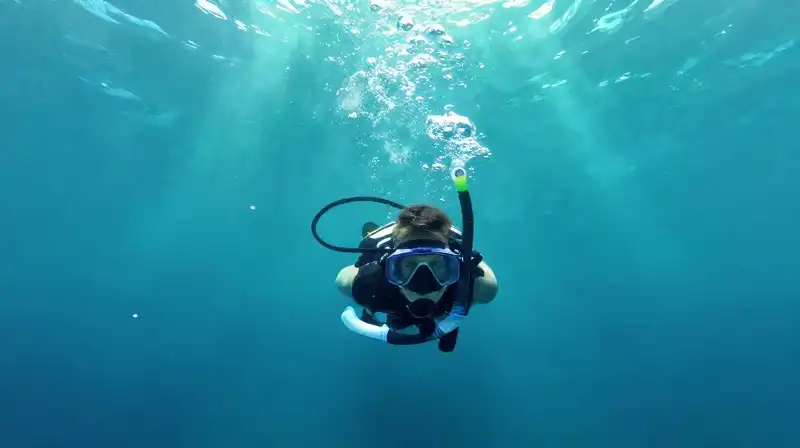
A snorkel is a specialized breathing apparatus designed to allow divers to remain in the water, beneath the surface, for extended periods without constantly surfacing for air. Fundamentally, it functions by providing a sealed, upward-directed pathway for exhaled air and inhalation. It does not permit breathing while fully submerged; rather, it allows the user to breathe air from a tube that remains at the water’s surface, keeping the diver’s face fully immersed. Understanding its mechanics requires looking at the physics of the air column and the critical process of managing water intrusion.
The Physics of Subsurface Breathing
The primary function of a snorkel is to maintain a continuous, unobstructed air column that connects the surface atmosphere directly to the wearer’s lungs, regardless of facial position.
When used correctly, the tube acts as a vertical conduit. Because the mouthpiece is positioned near the mouth and the tube extends above the waterline, the air inside the snorkel is always in direct contact with the atmosphere. Exhaling releases air through the tube, allowing for lung expansion, while inhaling pulls clean air in from the top opening. Gravity is essential here; it ensures that the tube remains securely oriented toward the surface, even when the diver moves or tilts their head. This allows the user to observe marine life and explore underwater environments while conserving energy.
Water Intrusion and the Purge Mechanism
Even with sophisticated designs, water can enter the snorkel tube due to waves, dips in the tube’s angle, or when the wearer submerges completely for observation. When water enters the system, the air pathway is compromised. The snorkel ceases to function for breathing until the accumulated water is cleared.
Clearing the snorkel, often called “purging,” is a deliberate action that must be performed while the user remains submerged. To purge, the diver exhales sharply through the snorkel’s opening. This forceful blast of air pushes the standing water out of the tube. In standard dry models, this is done by forceful exhaling. However, many semi-dry and dry models include a designated “purge valve” at the bottom of the tube. Pressing or blowing into this valve facilitates the rapid expulsion of water, making the clearing process quicker and more reliable.
Snorkel Design and Water Management
Different snorkel models employ specific technologies to manage water ingress, which dictates their ideal use case:
Wet Snorkels
- Design: The most basic, typically J-shaped tube.
- Function: Offers simple airflow but provides no barrier against waves or splashing.
- User: Best for experienced divers or specific uses like spear fishing where simplicity is preferred.
Semi-Dry Snorkels
- Design: Features a splash guard (sometimes called a splash block) at the top.
- Function: The splash guard is designed to intercept surface waves and large splashes before they enter the breathing tube. They also usually contain a bottom purge valve.
- User: Versatile and popular for recreational snorkeling.
Dry Snorkels
- Design: Incorporates a sophisticated airtight seal or specialized design that keeps the internal tube completely sealed from external water.
- Function: Provides the highest level of water exclusion, minimizing the need for frequent purging.
- User: Ideal for active swimmers or those in rough water conditions.
Optimizing Performance: Placement and Technique
Optimal use of a snorkel requires more than just putting it in the mouth; it requires proper placement and mindful breathing.
Correct Placement: The mouthpiece must fit securely in the mouth, maintaining a snug seal to prevent water entry. The snorkel must be secured to the mask—ideally with a snorkel keeper attached to the mask strap—to ensure it does not shift, detach, or become blocked during vigorous movement. Proper seal is paramount for function.
Breathing Mechanics: Beginners should maintain calm, slow breathing to prevent the sudden intake of water. When submerged, the snorkel should be angled slightly upward or kept vertically aligned to maintain the clear pathway to the surface. This ensures that the air column remains functional, allowing the diver to monitor the environment while conserving oxygen from their internal reserves.
Advanced Surfacing: As a diver ascends, tilting the head back slightly is a helpful technique for assisted water displacement, which aids in clearing any lingering water from the tube and ensures a smooth resumption of airflow.
Practical Limitations and Safety Protocols
It is essential to understand that a snorkel is a tool for surface-level breathing. It has specific limits and requires proper handling.
Depth and Functionality: Snorkels are not designed for deep scuba diving. They are intended for shallow observation. Furthermore, if a snorkel tube is fully covered by water (e.g., while diving in a deep, clear area), it is impossible to breathe. The snorkel only allows breath when the top of the tube is consistently accessible to the air. If the tube remains submerged for a sustained period, the user must hold their breath.
Beginner Practice: Before attempting deep water use, beginners should practice the proper purging and placement in shallow, controlled environments. This helps them understand the mechanics of clearing water while maintaining composure.
Summary of Snorkeling Mechanics
To summarize how a snorkel works, it relies on maintaining a seal around the wearer’s mouth and keeping the top of the tube above the water line to maintain a constant connection to the atmosphere. It is a system of controlled airflow: air flows from the top (atmosphere) into the tube, through the user, and out the bottom (exhalation). Water entry is the primary failure state, mitigated by either the snorkel’s design (semi-dry/dry) or the user’s rapid purging action. Successful use depends on secure fit, strategic positioning, and maintaining awareness of the water level relative to the tube’s opening.
How to Use a Snorkel Properly
Ensure Correct Placement
Place the mouthpiece securely in your mouth, maintaining a snug seal to prevent water entry.
Secure the Snorkel
Attach the snorkel to your mask, ideally using a snorkel keeper, to ensure it does not shift, detach, or become blocked during movement.
Maintain Breathing Mechanics
Keep calm and breathe slowly. Submerge while ensuring the snorkel is angled slightly upward or held vertically to maintain a clear pathway to the surface.
Purge Accumulated Water
If water enters the tube, either exhale sharply through the snorkel's opening or press the designated purge valve (if available) to clear the water.
Assist Water Displacement
As a diver ascends, tilting the head back slightly can help clear any lingering water from the tube, ensuring a smooth resumption of airflow.
Related Articles