
The Science of Seat Belts: How They Manage Crash Forces

Introduction
Understanding Inertia and Momentum in a CollisionThe Mechanism: How Seat Belt Components Manage ForcePretensioners: The Instant Slacks Removal One of the most critical features is the pretensioning system. This system uses a powerful, one-time charge to instantly pull all slack out of the webbing the moment a crash is detected. This is crucial because a slack belt absorbs energy in an uncontrolled manner and can allow the occupant to continue moving further into the cabin before the belt locks. By instantly removing slack, the occupant makes contact with the webbing sooner, maximizing the controlled energy absorption window.
The Locking Mechanism and Webbing Sensitivity
The primary locking function relies on a mechanical system, often involving a ratchet wheel or toothed component. In normal operation, the webbing glides smoothly through the retractor. However, when a rapid or jarring movement is detected, the webbing sensitivity mechanism initiates a bind. This sudden, controlled locking is what applies the restraining force, securing the body against the deceleration. Some advanced systems integrate an inertia switch, which is specifically designed to detect the sudden change in speed or direction required to initiate this lock.
Clarifying the Physics: Restraint vs. Centripetal Force
Ensuring Safety: Proper Seat Belt Usage and Fit- Lap Belt Placement: The lap belt must be secured low, spanning across the hips and pelvis. It should never be positioned across the abdomen, which could cause severe internal injury during rapid deceleration.
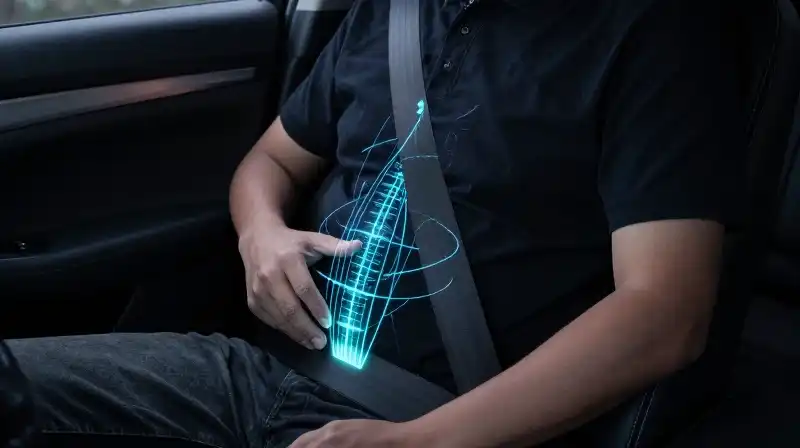
- Shoulder Belt Placement: The shoulder belt should be positioned across the center of the chest and upper chest, away from the neck. This placement prevents the belt from acting as a “choke” and allows the belt to distribute forces across the strongest parts of the torso.
- Child Safety: For children under the age of 13, riding in the back seat and utilizing appropriate child safety restraints (car seats) is the recommended standard to ensure the forces are distributed correctly across developing bodies.
Practical Warning: Seat Belts and Airbags Work Together
Seat Belts manage the initial impact forces: They contain the occupant within the vehicle and manage the initial, violent stages of deceleration and energy absorption. * Airbags manage the final impact: They provide a soft, final cushioning layer that deploys at the end of the occupant’s excursion, mitigating the impact of the hard cabin surfaces. Treat a seat belt as the foundation of your occupant protection; it is the single most effective action an occupant can take to protect themselves during a collision.
Conclusion: Sustaining Safety Through Design and Vigilance
Frequently Asked Questions
What force do seat belts provide?
Seat belts apply a sudden, controlled restraining force to secure the body against deceleration. They also manage initial impact forces by containing the occupant within the vehicle during the violent stages of deceleration and energy absorption.
How to Ensure Proper Seat Belt Usage and Fit
Lap Belt Placement
Secure the lap belt low, spanning across the hips and pelvis, ensuring it is never positioned across the abdomen to prevent severe internal injury.
Shoulder Belt Placement
Position the shoulder belt across the center of the chest and upper chest, keeping it away from the neck to prevent it from acting as a "choke".
Child Safety Protocol
For children under the age of 13, ensure they ride in the back seat utilizing appropriate child safety restraints (car seats).
Related Articles