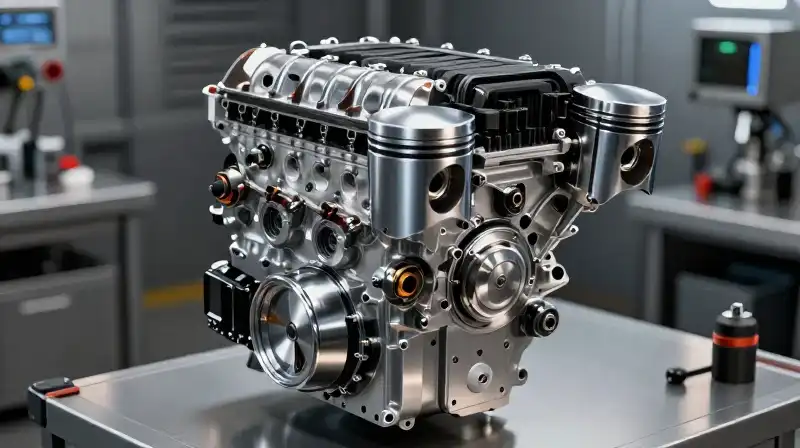

Myth Busted: Is It Safe to Run Your Car While Pumping Gas?

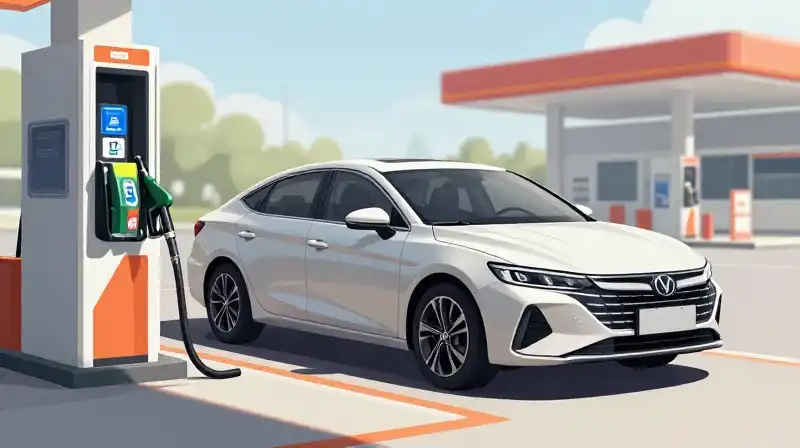
Introduction
Is it safe to run your car while actively pumping gasoline? The short and definitive answer, according to universal safety protocols and local regulations, is no. While the perception of risk varies, operating a vehicle with the engine running during the refueling process introduces multiple hazards—ranging from the risk of accidental ignition due to static electricity to potential damage to the vehicle’s emissions systems. Safety standards, implemented by fuel station operators and governing bodies, mandate that the engine be turned off before refueling. The following analysis examines the technical risks, legal requirements, and practical considerations surrounding this common automotive practice to help you make a fully informed decision.
The Core Safety Hazards of Refueling with the Engine On
The primary danger associated with running the engine while pumping gas involves the interaction between fuel vapors, heat, and electrical discharge. When the gas cap is removed, volatile gasoline vapors are released. These vapors are highly flammable and can ignite if exposed to a sufficient ignition source.
The engine provides multiple potential sources of ignition:
- Heat: The operational heat produced by the engine and hot exhaust components can elevate fuel vapor temperatures to their flash point.
- Sparks and Static Electricity: While the risk of an explosion is often overblown, the engine generates sparks from electrical systems. More critically, the act of moving or standing near the pump, especially in dry conditions, increases the potential for static electricity discharge. These sparks, whether from mechanical parts or friction, can ignite concentrated fuel vapors.
- Disrupted Emissions: Running the engine while fueling with the cap open can disrupt the proper functioning of the engine’s pressure seals and the complex evaporative emission control (EVAP) system. This interference can potentially interfere with the car’s emissions performance and may affect long-term maintenance cycles.
Legal and Operational Requirements for Refueling
The question of whether it is legal to pump gas while a vehicle is running varies by jurisdiction, but the universal recommendation among manufacturers and safety agencies is to avoid the practice entirely.
Refueling should ideally adhere to the following standards:
- Engine Off: Shut down the engine completely before beginning the fueling process to eliminate heat and electrical discharge risks.
- Park on Level Ground: Always ensure the vehicle is parked on a level and flat surface. Tilting the car can lead to fuel spilling, which presents a significant slip and fire hazard.
- Avoid Movement: For maximum safety, the vehicle should not be in gear or on a hill, as this minimizes the risk of the car inadvertently shifting or rolling while the gas tank remains open.
In many regions, local ordinances explicitly prohibit operating or running a vehicle while fueling, especially if it poses a potential hazard to other motorists or pedestrians. Always check specific local laws or follow the prominent warnings displayed at the pump.
Addressing the Common Myths: Explosion vs. Fire Risk
A persistent rumor suggests that running a car while pumping gas causes an uncontrollable explosion. While the threat of a serious fire is real, it is important to differentiate between a simple fire hazard and a catastrophic explosion.
The risk is typically not a massive explosion, but rather the accidental ignition of fuel vapors, leading to a localized fire. The core of the safety concern is not merely the running engine, but the ignition of flammable gasoline fumes released when the cap is opened and subjected to a spark or high heat. Standard fuel station warning signs are designed to mitigate these fire risks.
The risk of explosion is highest when fuel vapors are concentrated and meet a specific ignition source. Simply running the engine does not guarantee such a concentration; however, by eliminating the engine, you remove the primary sources of heat, sparks, and vapor pressure disruption, significantly lowering the overall risk profile.
Practical Gas Station Etiquette and Safety Steps
Following best practices ensures a safer and better experience, even if the risk is perceived as low. These steps apply whether you are “myth busting” or simply being cautious.
To mitigate all potential risks—fire, electrical interference, and accidental movement—adhere to this simple protocol:
- Stop and Turn Off: Park at the pump, shut down the ignition, and ensure the parking brake is engaged.
- Maintain Distance: Do not use mobile phones or smoking devices within the immediate vicinity of the pump, as these also serve as ignition sources.
- Monitor Caps: If the fuel tank is nearly full, close the gas cap quickly to prevent overfilling and resulting fuel spills.
- Check Stability: Ensure your tires are on level ground and the vehicle is stable before starting the transfer of fuel.
Final Synthesis: Decision Criteria for Refueling Safety
While the risk of a fire from static or heat when running a car while pumping gas may be considered “low” by some, it is never “zero,” and legally and practically, it should never be taken as acceptable. The decision rests on prioritizing safety and vehicle integrity.
The primary takeaways are:
- Safety Priority: Always turn the engine off before you begin pumping. This is the most effective way to eliminate heat, sparks, and vapor pressure disruption.
- Legal Adherence: Be aware that many local laws and fuel station policies strictly prohibit fueling a running car. Compliance ensures you avoid potential fines or safety shutdowns.
- Vehicle Maintenance: Turning off the engine prevents unnecessary interference with the car’s emissions and fuel system integrity during a high-vapor activity.
Following these standard safety procedures—park, shut down, and fuel—ensures a faster, safer, and more reliable refueling experience, eliminating any doubt about the safety of the practice.
Frequently Asked Questions
Is it okay to pump gas while a vehicle is running?
No, it is not safe to pump gas while the vehicle is running, as universal safety protocols mandate that the engine be turned off to eliminate hazards such as accidental ignition from static electricity and heat.
Is it illegal to have a car running while pumping gas?
The legality varies by jurisdiction, but in many regions, local ordinances explicitly prohibit operating or running a vehicle while fueling. Many local laws and fuel station policies strictly prohibit fueling a running car to ensure safety.
How to Refuel a Vehicle Safely
Stop and Park
Park the vehicle at the gas pump and ensure the location is on a level and stable ground.
Turn Off Engine and Engage Brake
Shut down the ignition completely and ensure the parking brake is engaged to prevent accidental movement.
Maintain Safety Distance
Do not use mobile phones or smoking devices within the immediate vicinity of the pump, as these serve as ignition sources.
Initiate Refueling
Begin the fuel transfer process only when the vehicle is stationary and the engine is off.
Monitor Fuel Level
If the fuel tank is nearly full, close the gas cap quickly to prevent overfilling and resulting fuel spills.
Finalize Process
Ensure the vehicle is stable and the cap is secure before driving away.
Related Articles