
Is Sugarcane a Fruit or a Vegetable? A Botanical Breakdown

Introduction
For most people, the confusion over whether sugarcane is a fruit or a vegetable stems from how it is consumed: as a sweet, stalk-based foodstuff. However, from a strict botanical and agricultural standpoint, sugarcane does not fit the definitions of either category. Sugarcane is scientifically classified as a **perennial grass**, specifically a C4 plant belonging to the Poaceae family. The categorization of ‘vegetable’ in a culinary context is often misleading and does not reflect the plant’s biological taxonomy.
The Scientific Classification of Sugarcane
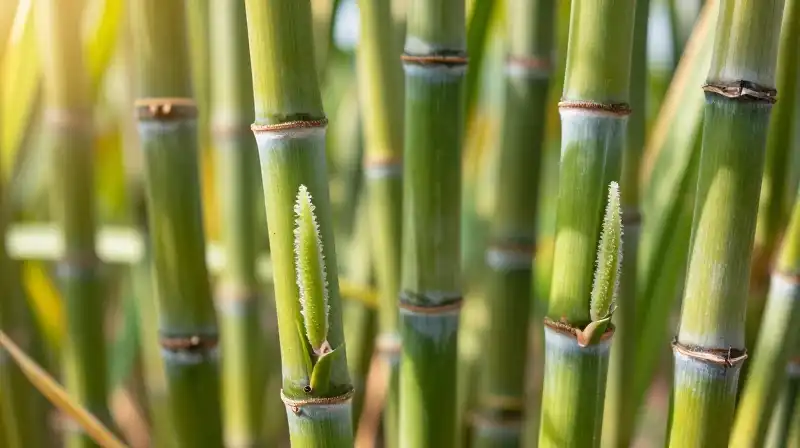
To understand why sugarcane remains in the category of grass, we must look at its biological structure. Unlike typical vegetables (which are often organs like stems, leaves, or roots) or fruits (structures developed from a flower’s ovary containing seeds), sugarcane is a large, jointed stalk known as a culm. Key botanical facts include:
- Family: Poaceae (The Grass Family). This family includes common crops like wheat, rice, and maize, placing sugarcane in the same biological group as bamboo.
- Type: Perennial Grass. It is cultivated as a tropical and subtropical cash crop, not a traditional annual vegetable crop.
- Structure: The primary edible part—the stalk—is primarily water and fiber, which contains significant soluble sugars (averaging 12–16%).
Dispelling the Fruit or Vegetable Confusion
The frequent debate over whether sugarcane is a fruit or a vegetable arises from a common misunderstanding between scientific classification and culinary usage.
Culinary vs. Botanical Definitions
The term ‘vegetable’ is largely a cultural and culinary label describing how a plant part is utilized in cooking. While a person might consider the raw, sweet stalk of sugarcane a “vegetable” in the same way they view celery or bamboo, this does not make it botanically correct. Conversely, a fruit is strictly defined as the ripened ovary of a flowering plant that contains seeds. Sugarcane’s main structural components lack this characteristic, ruling it out as a fruit. Sugar beet, which is often grouped with sugarcane due to its sweetness, is classified as a root vegetable or tuber, highlighting how the culinary label depends entirely on the plant’s physiological nature.
A Plant’s Multi-Faceted Value
Sugarcane’s primary agricultural value is its high sucrose content, making it a crucial resource for the production of refined sugar. While the mature stalk is the industrial biomass for juice extraction, the plant offers multiple uses that distinguish it from a common vegetable:
- Processed Ingredient: The transition from raw stalk to refined sugar changes its identity from a raw plant matter into a processed food ingredient.
- Byproducts and Fodder: Its leaves and stalks are highly efficient photosynthesizers and are utilized not just for human consumption but also as livestock fodder.
- Industrial Use: The fibrous residue left after juice extraction, called bagasse, is a major byproduct used in generating biofuels and manufacturing eco-friendly molded fiber products.
Addressing Specific Usage and Health Queries
The identity of sugarcane also impacts how people perceive its health and usage.
Is Sugarcane Healthy? While sugarcane offers high water content and fiber, its primary composition is soluble sugars. In large quantities, it contributes significantly to the caloric and sugar intake. Its value is often realized through its processing (e.g., jaggery or fresh juice) rather than its status as a “nutrient-dense” vegetable. For health purposes, it is treated as a high-sugar raw material, similar to a concentrated syrup.
How is Sugarcane Cultivated and Utilized?
As a C4 plant, sugarcane is optimally suited for tropical and subtropical regions. It is a fast-growing grass that requires significant water and sunlight. Its global significance lies in its capacity to be a massive, high-volume crop that feeds the food, beverage, and burgeoning biofuel industries. Whether viewed through the lens of industrial agriculture or traditional cooking, sugarcane’s true value lies in its ability to efficiently produce sucrose and valuable biomass.
Conclusion: Botanical Identity and Practical Use
Sugarcane is definitively a **perennial grass**, belonging to the Poaceae family. It is neither a vegetable nor a fruit in the scientific sense. The confusion is merely a result of its culinary properties and its appearance, which can resemble certain stalks or root crops. For clarity, when discussing the plant’s nature, use the term ‘grass’; when discussing its kitchen application, treat it as a sweetener or an edible biomass. Understanding this distinction is essential for proper classification, agricultural assessment, and avoiding misidentification of the plant in dietary discussions.
Frequently Asked Questions
Is a sugar cane a fruit or vegetable?
Sugarcane is scientifically classified as a perennial grass and is part of the Poaceae family. The article clarifies that it is neither a fruit nor a vegetable in the strict scientific or botanical sense.
Related Articles