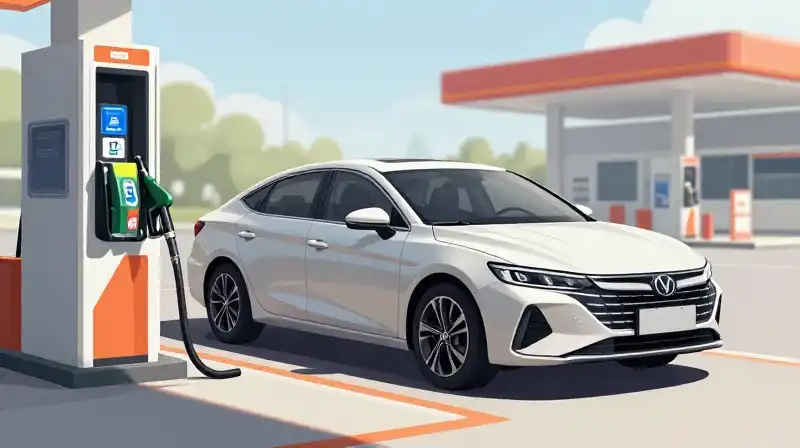

Can I Pump Gas While the Car Is Running? A Safety Analysis

Introduction
The consensus among safety experts, vehicle manufacturers, and environmental authorities is that the engine should be turned off before refueling. While the process is technically possible to complete with the car running, the inherent risks associated with pumping gas while the engine is active are significant enough to warrant strong adherence to safety protocols. The central decision is not merely about convenience; it is fundamentally about mitigating a measurable hazard—the risk of ignition.
Evaluating the Fire Risk and Static Electricity Hazard
The primary concern regarding running an engine at a fuel pump is the potential for a fuel vapor cloud to meet an ignition source. Gasoline and other fuels release volatile vapors, especially when exposed to the ambient air at the pump. These vapors are highly flammable.
The main mechanism of ignition is often cited as static electricity. The movement of fuel through hoses and the transfer of gas through the atmosphere can generate static charges. If the fuel vapor concentration is high enough and a static spark occurs (which can be caused by handling the nozzle or surrounding electrical activity), a fire can initiate. Although modern vehicles have advanced electronic safety features, the risk of this static-induced spark remains a real threat, particularly in older vehicles or if electrical components are compromised.
Fire Risk vs. Engine Status
It is important to distinguish between how the car’s engine runs and the conditions necessary for a fire. A fire could theoretically occur even if the engine is off, due to ambient static buildup, poor ground connections, or a faulty pump. However, running the engine introduces additional, controllable hazards. The engine provides a reliable electrical source and presents a more immediate point of risk if electrical arcing occurs near the fuel system.
Technical and Environmental Considerations (EVAP Systems)
Modern vehicles employ complex systems designed to manage and minimize fuel vapors, most notably Evaporative Emission Control (EVAP) systems. These systems are designed to capture fuel vapors rather than releasing them directly into the atmosphere, which is both an environmental mandate and a safety measure.
When the engine is running, the EVAP system is actively working to manage the pressure and capture these vapors within the vehicle’s designed system. However, pumping gas involves massive, uncontrolled pressure changes and a large volume of rapid vapor release at the filling port. This sudden disruption in the controlled environment can sometimes lead to system pressure spikes. While this typically won’t cause a catastrophic failure, it can trigger a “check engine” light if the system detects an irregularity, requiring attention from the owner.
The Role of Grounding and Static Discharge
Static electricity buildup is a common discussion point when determining if it is safe to pump gas with the car on. While some suggest that the act of touching the vehicle’s metal frame before fueling helps ground the driver, this method should not be relied upon to negate the static charge generated by the fuel flow itself. The risks related to the pump equipment and the fuel lines are not solely dependent on the driver’s ground status.
Safety Recommendations and Best Practices
The safest course of action is to follow industry standards. Professional safety advice consistently mandates shutting down the engine. However, if a driver insists on leaving the engine running, several practical steps can reduce potential risks:
- **Keep Distances:** Maintain a safe distance from the fueling area and keep ignition keys within reach.
- **Do Not Smoke or Operate Devices:** Avoid using cell phones, lighters, or any device that could create a spark near the pump.
- **Ground Appropriately:** Though not a substitute for turning the engine off, ensuring the vehicle’s metallic components are properly bonded to the chassis can help dissipate minor static charges.
- **Stay Vigilant:** Watch the filling nozzle and the vehicle’s fuel cap to ensure the process is moving safely.
Legality and Common Queries: Is It Illegal or Bad?
A common set of questions arises from anecdotal evidence and social media discussions (such as Reddit). Determining if this practice is “illegal” or “bad” requires nuance:
In most jurisdictions, simply driving to the pump and having the engine run while fueling is not a criminal offense, provided no actual fire or hazard occurs. However, driving a car while it is filling up with highly volatile flammable liquid is generally classified as a safety violation. Insurance providers and safety inspectors strongly advise against the practice because the potential liability in the event of an accident or fire is immense. While some sources argue that the car won’t inherently explode, the possibility of severe property damage due to fire is a real, quantifiable risk.
For drivers concerned about specific legal requirements, regulations vary by state. In some highly regulated environments, especially in relation to environmental compliance and hazardous material handling, strict policies mandate engine shutdown before any fueling process begins.
Final Synthesis: Making the Decision
The decision of whether or not to pump gas while the car is running should be based on risk mitigation, not convenience.
The overwhelming majority of safety criteria dictate that the engine must be off. This eliminates unnecessary electrical sources, minimizes the potential for static discharge interaction with fuel vapors, and adheres to best practices for handling hazardous materials.
If you choose to bypass this advice, you accept the residual risks associated with fire, static electricity, and potential damage to the vehicle’s EVAP system. The practical value of turning the engine off far outweighs any minor convenience gained from leaving it running while the pump is operating. Always prioritize the engine shutoff as the gold standard for safety.
Frequently Asked Questions
Is it bad to pump gas while the car is still running?
Safety experts and regulatory authorities advise turning off the engine before refueling because pumping gas while running introduces significant risks of ignition from static electricity. This practice is generally classified as a safety violation, carrying potential liability, fire risk, or damage to the vehicles EVAP system.
Can you get gas while a car is running?
While the process is technically possible to complete with the car running, the inherent risks associated with pumping gas while the engine is active are significant enough to warrant safety protocols. Professional safety advice mandates shutting down the engine because driving while filling up with volatile flammable liquid is generally classified as a safety violation.
Can you get gas while the car is still running?
While the process is technically possible to complete with the car running, safety experts and environmental authorities strongly mandate shutting down the engine due to the inherent and significant risks of fire and static electricity.
Can I get gas when my car is running?
While the process is technically possible, the consensus among safety experts and manufacturers is that the engine must be turned off before refueling due to significant inherent risks of fire and static electricity. Running the engine introduces additional electrical hazards and is generally classified as a safety violation.
Is it okay to pump gas while the car is running?
Professional safety advice consistently mandates shutting down the engine before refueling, as the engine introduces additional hazards related to static electricity and ignition. Driving a car while it is filling up with highly volatile liquid is generally classified as a safety violation, though not always a criminal offense.
Safety Precautions for Fueling with Engine Running
Keep Distances
Maintain a safe distance from the fueling area and keep ignition keys within reach.
Do Not Smoke or Operate Devices
Avoid using cell phones, lighters, or any device that could create a spark near the pump.
Ground Appropriately
Ensure the vehicle's metallic components are properly bonded to the chassis to help dissipate minor static charges.
Stay Vigilant
Watch the filling nozzle and the vehicle's fuel cap to ensure the process is moving safely.
Related Articles