
Are Cockroaches Dirty? How They Become Vectors for Germs

Introduction
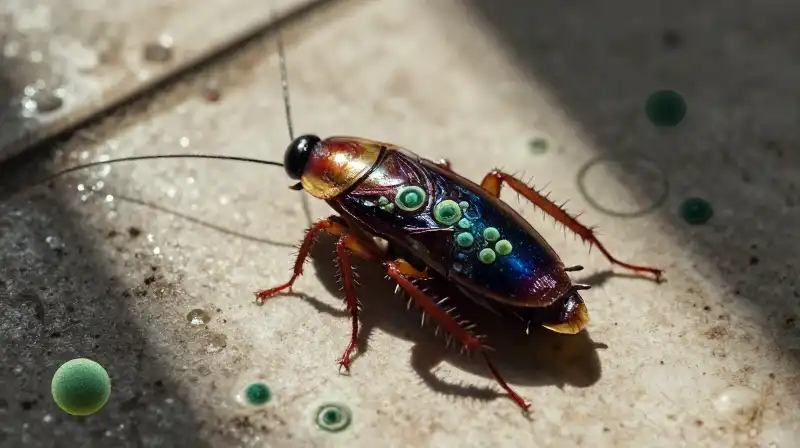
Cockroaches are fundamentally tied to environments with excess organic material and unsanitary conditions, which is why they are often perceived as indicators of poor hygiene. To directly answer whether cockroaches are dirty, the answer is a nuanced “yes,” but it’s critical to understand the mechanism. They are not inherently filthy creatures, but they are proficient vectors—living conduits—for filth, bacteria, and pathogens. Their presence signifies the contamination levels of their habitat, and they can readily transport that environmental dirt and harmful microorganisms into clean residential spaces.
How Cockroaches Become Vectors for Germs
A cockroach becomes a health risk primarily through its movement and physical interaction with contaminated surfaces. This process is more about transport than inherent contamination. Cockroaches thrive in areas characterized by high moisture, spilled food, and accumulated trash. When they move from these unsanitary environments into a human space, they act as biological transport mechanisms. The main ways they transfer contaminants include:
- Physical Transfer: Cockroaches can carry bacteria and viruses on their bodies, legs, and exoskeleons after traversing dirty areas.
- Urine and Waste: They frequently leave droppings and trails of waste (feces, shed skin) in their path, introducing organic waste and associated pathogens into carpets, counters, and other surfaces.
- Moisture Retention: Because they inhabit areas with leaking plumbing and damp conditions, they can pick up and carry water laden with bacteria (such as those found near mold and sewage leaks).
It is the juxtaposition of their habitual movement through filth and their presence in human living areas that creates the hygiene concern.
Does Cockroach Grooming Make Them Cleaner?
Many people ask why cockroaches clean themselves after touching humans or surfaces. Cockroaches constantly exhibit grooming behaviors, using their forelegs to remove parasites, shed skin, and external contaminants. From an observational standpoint, this may appear to mitigate the dirt they acquire. However, this grooming process is a defense mechanism, not a sanitation routine. While they remove *visible* external debris and parasites, the grooming does not eliminate the invisible threat. Pathogens, bacteria, and viruses are often internalized or adhered deeply to the cuticle. The contaminants they acquire from dirty areas are primarily transferred via physical contact (droppings, urine, and movement) rather than relying on their ability to “clean” themselves effectively. In essence, they may be clean on the surface, but they still carry the “environmental history” of the dirty spaces they inhabit.
Specific Health Concerns: Droppings and Contact
While the risk of direct ingestion is low, the health concerns associated with cockroach presence are significant, especially regarding airborne pathogens.
The Hazard of Droppings
Cockroach droppings are a major vector of disease. These fecal particles often contain:
- Pathogens and bacteria associated with waste, including those linked to respiratory issues.
- Allergens, which can trigger asthma or severe respiratory reactions in sensitive individuals.
- Environmental filth and molds from the areas they inhabit.
When these droppings dry, they can become aerosolized. This means simply walking through an infested area or disturbing a pile of droppings can allow dust and pathogens to become airborne and irritate the respiratory system.
Vector Risk to Humans
The danger is not that a healthy person will be infected by touching a cockroach, but that the cockroach introduces environmental contaminants into a clean ecosystem (like a kitchen or bedroom) where vulnerable populations (small children, the elderly, or those with compromised immune systems) may be exposed to diseases carried by the insect.
Do Cockroaches Carry Viruses and Bacteria?
Yes, cockroaches are known to harbor and transport various bacteria and viruses. Their role as vectors stems from their ability to move across varied surfaces—from sewage and trash to kitchen countertops. These microorganisms adhere to their bodies. When they come into contact with food preparation surfaces or open food, they facilitate the transmission of these pathogens. The primary sources of the microbes they carry are the unsanitary conditions and the organic waste sites they frequent.
Addressing Common Cockroach Questions
Several related concerns often arise when dealing with infestations.
Why do cockroaches suddenly appear?
Cockroaches typically live in hidden, interconnected harborage sites. Their sudden appearance is often a sign that an infestation has reached a critical mass, and the colony is seeking food and suitable breeding grounds in a specific area, such as a kitchen or utility room. They are attracted to moisture and food sources.
Do cockroaches bite?
Cockroaches do bite, but they are not typically considered aggressive or “flea-like” in their biting compulsion. They usually bite only when severely stressed, cornered, or when they feel their environment is directly threatened. These bites are generally more of a painful irritant than a widespread health risk.
Practical Steps to Minimize the Germ Vector Risk
Since the risk is tied to the environmental conditions that foster them, the most effective defense is elimination of those conditions. Prevention involves interrupting their lifecycle:
- Eliminate Water Sources: Fix any leaking plumbing or pipes immediately. Cockroaches require water to survive.
- Seal Entry Points: Use caulk or expanding foam to seal cracks, gaps around pipes, and entry points. This stops them from migrating from exterior environments.
- Manage Food Waste: Store all food in airtight containers and do not leave dirty dishes in the sink overnight. Crumbs and spills provide the sustenance they need.
- Maintain Sanitation: Regularly clean behind appliances and under sinks where they typically hide and breed.
The fundamental takeaway is that by reducing the sources of organic material and moisture in your home, you eliminate the incentives for them to enter, thereby drastically lowering the vector risk posed by their presence.
Practical Steps to Minimize Germ Vector Risk from Cockroaches
Eliminate Water Sources
Fix any leaking plumbing or pipes immediately, as cockroaches require water to survive.
Seal Entry Points
Use caulk or expanding foam to seal cracks, gaps around pipes, and entry points to stop them from migrating from exterior environments.
Manage Food Waste
Store all food in airtight containers and do not leave dirty dishes in the sink overnight to eliminate their food sources.
Maintain Sanitation
Regularly clean behind appliances and under sinks where they typically hide and breed.
Related Articles