
Vinyl vs. LP: Defining the Material and the Record Format

Introduction
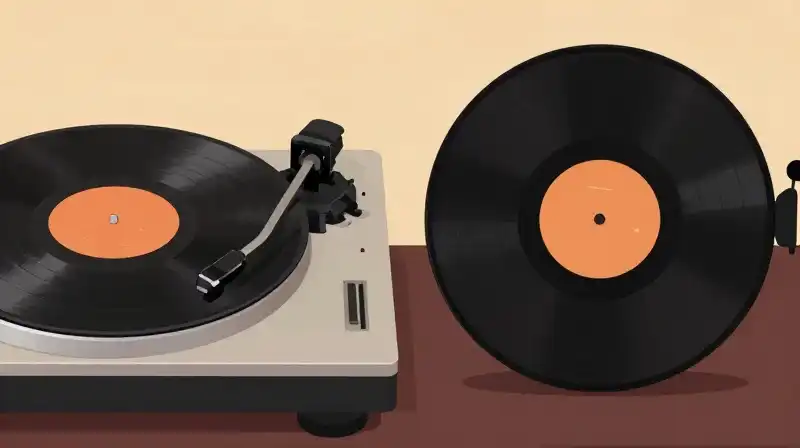
The confusion between “vinyl” and “LP” is widespread. Most people use the terms interchangeably, assuming they are synonyms, but technically, they refer to two very different concepts: one describes the physical substance, and the other describes a specific type of record format. Understanding this distinction is crucial for anyone buying, collecting, or listening to analog music. In short, Vinyl is the material, while LP (Long Play) is a specific format made from that material. This article clarifies the technical, historical, and practical differences between the two terms, providing a clear guide to how these labels relate to the music you enjoy.
What is Vinyl? Defining the Material
Vinyl is not a type of music or a specific album size; it is the overarching name for the material used to press records. Chemically, vinyl is a plastic—a copolymer derived primarily from vinyl chloride acetate. This material allows audio signals to be captured as physical, continuous grooves on a disc. Because vinyl is the broad category, it encompasses every format produced on this medium. When you hear the term “vinyl,” it refers to the entire class of physical sound storage devices, including:
- Long Play (LP) records
- 33 1/3 RPM records
- Standard 45 RPM singles (often used for EPs)
- Early 78 RPM shellac records
Therefore, every single record you find pressed on this polymer is technically a vinyl record.
Understanding the LP Format
The term LP stands for “Long Play.” This designation refers to a specific format that was developed to increase the duration of music played on a side of a record, significantly improving upon the shorter shellac formats that preceded it. Historically, the LP format was introduced by Columbia Records in 1948 as a revolution in recording capacity. Its defining characteristics include:
- Speed: 33 1/3 revolutions per minute (rpm).
- Size: Typically 12 inches (though 10-inch LPs also existed).
- Capacity: Its design allowed for finer groove spacing and substantially increased playing time per side.
The LP format essentially established the standard for the modern “album era,” providing enough sustained time for artists to develop cohesive musical themes. When someone specifies a “Vinyl LP,” they are referring to a full-length, 12-inch album pressed on the vinyl material.
The Hierarchy: LP vs. Other Vinyl Formats
The clearest way to define the relationship between the two terms is through a hierarchy. Think of it like this: “Car” is the general concept, and “Sedan” is a specific type of car.
| Format | What It Is | Physical Characteristics | Primary Use |
|---|---|---|---|
| Vinyl | The material (The broad category). | Plastic copolymer used for all records. | Overarching medium for all pressed music. |
| LP | A specific format/speed (A subset of Vinyl). | 12-inch diameter, 33 1/3 RPM. | Full-length studio albums. |
| EP | Extended Play (A subset of Vinyl). | Often 12-inch but may hold fewer tracks than an LP. | Singles or small collections of tracks. |
| 45 RPM Single | A specific format (A subset of Vinyl). | Smaller (7 or 10 inches), faster rotation. | Individual songs or short tracks. |
| The core takeaway is that an LP is *a type of* vinyl record, just as a Ford is *a type of* car. |
The Subjective Appeal of Analog Sound
Beyond the technical definitions, the value of LP vinyl often lies in the listening experience itself. While digital formats like CDs store sound as binary code (ones and zeros), analog vinyl formats represent sound waves as physical grooves. This difference leads to differing opinions on sound quality:
Analog vs. Digital Fidelity
* Digital (CDs): Often lauded for consistency and lack of noise (pops and crackles). They offer a precise, uniform reproduction of a mastered file. * Analog (Vinyl): Some audiophiles argue that the physical movement of the needle across the groove provides an exact, physical representation of the sound wave. Modern listeners often appreciate the “immersive listening experience,” viewing the act of putting a record on as a dedicated ritual, transforming passive background consumption into a focused “event.” For modern users, the appeal of vinyl often transcends purely objective technical performance, tapping into nostalgia, aesthetics, and the physical connection to the music—the tactile feeling of holding a large, illustrated sleeve, or the ritual of cleaning a disc.
Practical Considerations When Choosing Vinyl
Since vinyl is a physical medium, it comes with specific practical considerations that differ greatly from digital media. If you are deciding whether to invest in vinyl, keep these practical warnings in mind:
Maintenance and Handling
Vinyl requires more care than digital files. The physical grooves are susceptible to dust, fingerprints, and environmental damage. Proper handling involves:
- Always removing the record from the sleeve by the edges.
- Keeping the storage area free from extreme temperature fluctuations.
- Regular cleaning (using specialized brushes or cleaning solutions) to prevent pops and crackles.
Equipment Investment
Listening to vinyl requires specialized playback equipment. A standard turntable, cartridge, and often a phono preamp are necessary to properly translate the microscopic grooves into an audible signal. While the vinyl itself is inexpensive, the initial investment in quality equipment dictates the fidelity and listening experience.
Conclusion: Synthesizing Your Choice
To summarize, when distinguishing between the terms: if you are referring to the medium itself—the plastic substance—you are discussing **vinyl**. If you are describing a record that is full-length, typically 12 inches, and plays at 33 1/3 RPM, you are discussing an **LP**. The decision to engage with vinyl is less about finding objective technical superiority over digital formats and more about choosing a specific form of interaction with art. Whether you prioritize the high-fidelity consistency of digital or the unique, immersive, and physical nature of an LP record, understanding the fundamental difference between the material and the format empowers you to make the right choices for your collection.
How to Maintain and Store Vinyl Records
Handle the Record Safely
Always remove the record from the sleeve by the edges to avoid damaging the delicate physical grooves.
Control the Environment
Keep the storage area free from extreme temperature fluctuations to prevent environmental damage to the vinyl.
Related Articles