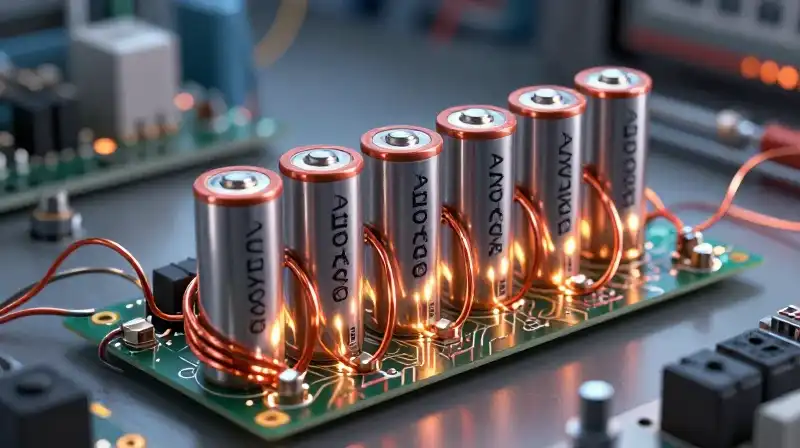

The AC Battery Solution: Higher Capacity for Modern Energy Storage

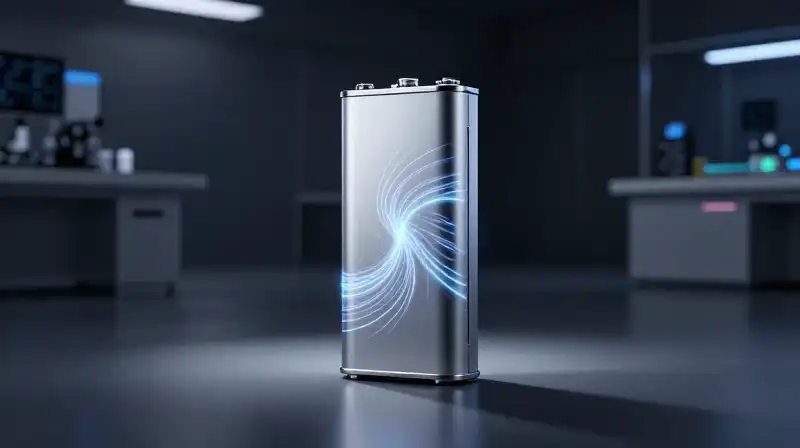
Introduction
The concept of an “AC battery” often causes confusion because standard chemical batteries are designed to function using Direct Current (DC). To use a battery in a system that requires Alternating Current (AC)—such as many power grids or certain large appliances—you generally need an external converter. However, emerging energy storage technologies are addressing this limitation by offering integrated solutions. The AC Battery Solution is a specialized, patented system designed not as a replacement for a standard battery chemistry, but as a standalone system that enhances capacity, improves safety, and integrates energy storage capabilities, allowing it to serve complex energy needs that existing battery technologies struggle to meet.
Why Standard Batteries Are Inherently DC
Most electrochemical batteries, from AA cells to large lithium-ion packs, operate by forcing electrons from an anode to a cathode through a chemical reaction. This process naturally results in a unidirectional flow of electricity, which is the definition of Direct Current (DC). An AC signal requires an electrical output that constantly and rapidly reverses its direction of flow. Chemical reactions within a traditional battery cannot achieve this constant, rapid reversal of polarity. Attempting to force a traditional battery to produce AC internally would require complex and inefficient internal electronics. Furthermore, the chemical process itself is fundamentally limited to DC power generation. This fundamental difference is why, in traditional setups, converting DC power from a battery into usable AC power requires external circuitry, which invariably leads to energy loss.
Clarifying the ‘AC Battery’ Distinction
There are multiple contexts for the term “AC battery,” and it is important to distinguish between the typical small, simple cell and the advanced energy storage system:
- Standard Small Cells (e.g., AC Remote Battery): Small consumer devices that require AC input often use simple DC batteries. If the device’s power source is DC, it is an “AC remote battery” only if the internal power management system or the device itself rectifies the DC power for use in an AC circuit.
- Advanced Energy Storage (The AC Solution): This refers to the specialized, high-capacity system. It is not a single cell that performs AC chemistry; rather, it is an AC-coupled battery system designed to optimize energy storage, enhance capacity, and provide integrated solutions for mobility and renewable energy.
The primary function of the advanced AC Battery Solution is to enhance the overall performance of an existing battery supply chain without requiring a total overhaul of infrastructure, offering a performance leap that traditional chemistries cannot provide.
The Functionality of the AC Battery System
The AC Battery Solution is engineered to overcome the physical limits of traditional power storage by optimizing performance through external circuitry and advanced design, rather than attempting a chemical feat.
Mechanism and Integration
This patented system focuses on optimizing battery performance, primarily focusing on two areas: increasing effective capacity and reducing operational costs. It functions as a comprehensive energy storage unit that can be integrated into diverse battery supply chains. The technology is material-agnostic, meaning it is designed to interface with various types of existing batteries. Its core capability involves enhancing the battery’s efficiency and lifespan, allowing for greater sustained power delivery necessary for demanding applications like electric vehicles (EVs) and integrated renewable energy storage. By supporting the circular economy, the technology aims to prolong the useful life of battery components, minimizing waste.
Key Performance Enhancements
The system addresses the global demand for higher energy storage density by providing:
- Higher effective capacity compared to standard battery configurations.
- Improved safety standards across storage and mobility applications.
- A solution that optimizes existing battery performance without necessitating a full replacement of current supply chains.
Strategic Applications in Energy and E-Mobility
The capabilities of the AC Battery Solution make it suitable for two major sectors undergoing rapid transformation: e-mobility and renewable energy integration.
Electric Vehicles (EVs)
For electric vehicles, sustained high-power output and increased driving range are critical metrics. The AC Battery Solution provides long-lasting power solutions that enhance the capacity of the EV’s existing battery pack. This addresses the need for more accessible, durable, and safer power storage, directly supporting the growth of the EV market.
Renewable Energy Storage
When integrating intermittent power sources like solar and wind into the grid, stable and reliable storage is essential. The system allows for the reliable integration of these sources, providing a stable energy buffer. This capability is vital for maintaining grid stability and maximizing the utility of renewable energy investments.
Integrating AC Solutions into Existing Infrastructure
While the AC Battery Solution is designed to be highly adaptable, successful deployment depends on clear understanding of its role in the overall energy architecture.
| Aspect | Traditional DC Battery System | AC Battery Solution System |
|---|---|---|
| Primary Output | Direct Current (DC) | Optimized Energy Output (AC-Compatible) |
| Capacity Goal | Basic energy storage | Higher effective capacity and longevity |
| Core Function | Chemical energy storage | Integrated performance and safety enhancement |
Decision Criteria for Adoption
When evaluating the implementation of a high-capacity energy storage system, consider the following:
- Current Infrastructure Alignment: Does your system require AC output, or can it operate efficiently with DC? If AC is the requirement, the AC Battery Solution is designed for seamless integration.
- Capacity Requirements: If existing batteries are undersized for operational needs (e.g., range or runtime), the capacity enhancement provided by the system is a critical benefit.
- System Lifespan and Safety: Evaluate the promised improvements in safety standards and operational durability, especially compared to traditional chemical setups.
Synthesizing Practical Considerations
The AC Battery Solution represents a specific, advanced technological response to the limitations of traditional DC chemistry in high-demand AC environments. It is a strategic enhancement system, not a single universal replacement for chemical batteries. While it offers significant advantages in capacity, safety, and infrastructure compatibility for modern energy needs, its implementation requires treating it as a specialized, AC-coupled component designed to operate within a larger energy system. For anyone searching for simple “AC batteries,” remember to distinguish between small consumer units and the high-capacity, performance-driven energy storage systems that are defining the future of e-mobility and renewable power.
Frequently Asked Questions
What batteries go in an AC unit?
Small consumer devices that require AC input often use simple DC batteries. Alternatively, the advanced AC Battery Solution system is material-agnostic and is designed to interface with various types of existing batteries to enhance their capacity.
Related Articles