Will Gold Rust? Understanding Tarnish and Alloys

Introduction
The question of whether gold will rust is one of the most common concerns for gold owners. Based on its intrinsic chemical properties, gold is classified as a noble metal—meaning it possesses exceptional resistance to oxidation. In its purest form (24 Karat), gold is virtually impervious to rust and standard environmental degradation. However, the reality of modern jewelry, coins, and bullion means that very little commercially available gold is 100% pure. Most gold is alloyed with other metals. These alloy components determine the final stability and are the primary factor in whether a gold item will tarnish or corrode.
Understanding the Difference: Rust vs. Tarnish
To accurately assess the stability of your gold, it is vital to understand the chemical difference between rust and tarnish. These two terms are often used interchangeably, but they refer to distinct chemical processes:
- Rust (Corrosion): Rust is specifically the hydrated metal oxide that forms when a metal, typically iron, reacts with oxygen and moisture. Pure gold does not rust because it lacks the chemical affinity for the common elements that cause iron to oxidize.
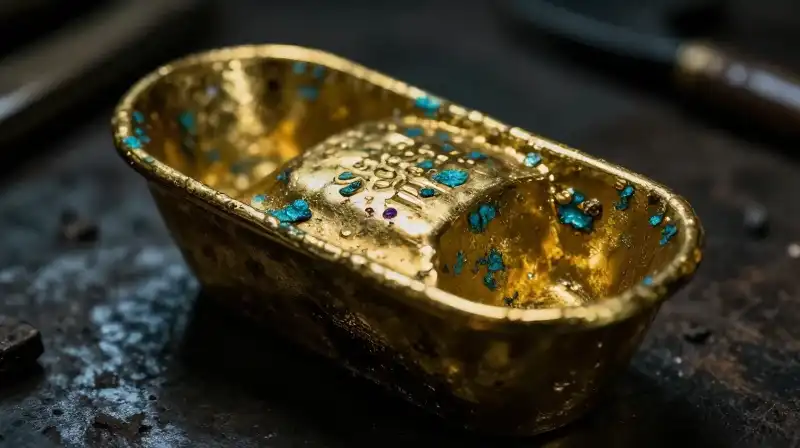
- Tarnish: Tarnish is a surface form of corrosion that occurs when a metal reacts with atmospheric elements, most commonly sulfur compounds in the air. Tarnish is particularly common in gold alloys, where less noble metals like copper, silver, or zinc react with oxygen and airborne chemicals, causing the surface of the entire piece to discolor.
Therefore, while pure gold is resistant to rust, an alloyed gold item will generally resist rust while remaining susceptible to tarnish.
The Role of Alloys in Gold Reactivity
When gold is manufactured for durability—such as in 14K, 18K, or 22K gold—it is mixed with other metals. These alloying metals serve to improve the metal’s strength, color, and resistance to scratching. The key to understanding gold degradation lies in identifying which metal is doing the reacting.
Gold itself is highly non-reactive. However, base metals added to the mixture, such as copper (used frequently to create rose gold) or silver, are significantly more reactive. These base metals oxidize first, and that oxidation then manifests as tarnish across the entire surface of the gold alloy. The greater the percentage of base metals, the higher the susceptibility of the item to tarnish and the lower its resistance to atmospheric degradation.
Factors Influencing Tarnish and Degradation
The speed and extent of tarnish depend on specific environmental conditions. Gold items are most vulnerable when exposed to chemicals, moisture, and environmental stressors.
Environmental Stressors
Certain situations significantly increase the risk of tarnish and discoloration:
- Salt Water: Exposure to salt water (such as at beaches or in strong saline solutions) increases the chemical conductivity and corrosive potential, leading to rapid degradation of the base metals within the alloy.
- Harsh Chemicals: Ingredients found in household cleaning agents, chlorine (like in swimming pools), and certain perfumes or cosmetics can break down the protective surface layer of the alloy, accelerating oxidation.
- Humidity: High humidity, especially when combined with pollutants in the air (urban environments), provides the necessary moisture for the base metals to react, leading to dullness and discoloration.
Karat Purity and Stability: 14K vs. 24K
\
The Karat system measures the purity of gold out of 24 parts (where 24K is pure gold). The lower the karat number, the higher the amount of base metal present, and consequently, the higher the potential for tarnish. However, this is a trade-off against durability.
| Karat | Purity (Gold %) | Typical Composition | Oxidation Tendency |
|---|---|---|---|
| 24K | 99.9% | Pure Gold | Extremely Low (Inherently Noble) |
| 18K | 75% | Gold + Silver/Copper/etc. | Low to Moderate |
| 14K | 58.3% | Gold + Higher base metals | Moderate |
| 10K | 41.7% | Gold + Highest base metals | Higher |
For maximum stability and minimum risk of tarnish, 24K is the ideal choice. For daily wear and superior hardness, lower Karat gold is used, meaning the owner must be more vigilant about protecting the piece from environmental exposure.
Maintenance and Preservation Strategies
While alloy components mean tarnish is inevitable over time, proper care can significantly slow the process and minimize the visual impact. Focusing on protection rather than aggressive cleaning is the most effective approach.
- Avoid Chemical Contact: Remove gold jewelry before showering, applying lotions, perfumes, or engaging in cleaning activities. These chemicals are primary accelerators of tarnish.
- Control Environment: Store gold in airtight, dry conditions to minimize exposure to atmospheric moisture and pollutants.
- Cleaning Technique: For routine maintenance, use mild soap and warm water. A soft cloth or a gentle ultrasonic cleaner designed for jewelry is preferred. Avoid using abrasive compounds or harsh chemicals, as these can damage the protective layer of the alloy and accelerate localized corrosion.
- Professional Intervention: For antique or valuable pieces, consultation with a professional jeweler is recommended. Aggressive cleaning attempts on old pieces can remove the patina or damage the underlying structure.
Summary: Making the Decision on Gold Stability
To answer the core question of whether gold will rust: pure gold will not. However, the vast majority of gold you encounter is an alloy, meaning its resistance to degradation is dictated by the components added to achieve hardness and color. The presence of base metals like copper and silver means that tarnish—a form of surface corrosion—is a possibility. Your item’s longevity depends on two critical factors: the purity of the karat and the level of protection provided against environmental stressors, particularly moisture, salts, and household chemicals.
Maintenance and Preservation Strategies for Gold Jewelry
Avoid Chemical Contact
Remove gold jewelry before showering, applying lotions, perfumes, or engaging in cleaning activities, as these chemicals are primary accelerators of tarnish.
Control Environment
Store gold in airtight, dry conditions to minimize exposure to atmospheric moisture and pollutants.
Cleaning Technique
Use mild soap and warm water for routine maintenance, preferring a soft cloth or a gentle ultrasonic cleaner designed for jewelry.
Professional Intervention
For antique or valuable pieces, consult a professional jeweler, as aggressive cleaning attempts on old pieces can damage the patina or underlying structure.
Related Articles