

The Multifaceted Costs of MRI Scans: Technology, Staff, and Overhead

Introduction
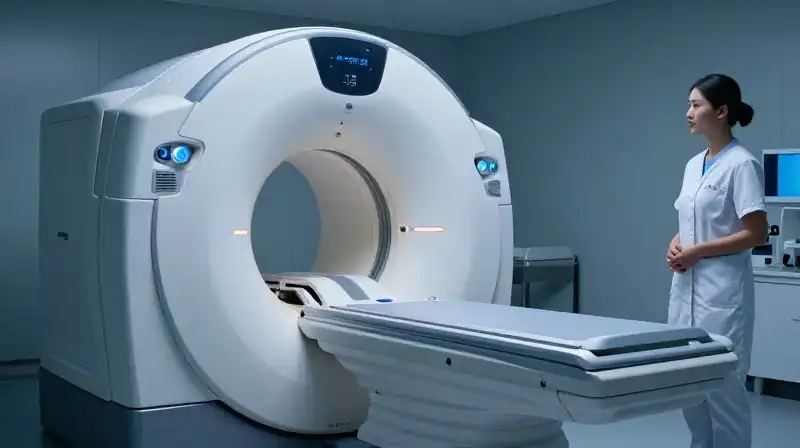
The high price of a Magnetic Resonance Imaging (MRI) scan is not attributable to a single factor but rather a complex accumulation of sophisticated engineering, specialized human capital, and high operational overhead. To understand why MRIs are so expensive, one must look past the final billing statement and analyze the entire ecosystem: from the billions required to build the machines, through the astronomical energy demands, to the years of highly specialized training required for the staff who operate them. The technology itself is a marvel of physics, but the price reflects the extreme demands of maintaining that precision and expertise.
The Burden of Capital Investment and Infrastructure
The most immediate component driving the high cost is the initial acquisition of the equipment. A single MRI machine requires a substantial capital outlay, with prices fluctuating significantly based on the manufacturer, the technology’s complexity, and the magnetic field strength (e.g., 3T vs. 1.5T). Beyond the machine itself, the environment in which it operates adds another layer of expense. An MRI cannot be placed in a standard room; it requires a dedicated, specialized MRI suite. This infrastructure demand is immense:
-
Shielding and Safety: The powerful magnetic field requires extensive, specialized construction to shield the rest of the hospital environment from magnetic interference, ensuring safety and data integrity.
-
Cryogenic Systems: Modern MRI relies on superconducting wires, which must be kept at extremely low temperatures. This necessitates advanced, costly cooling systems to manage the equipment’s heat and maintain the integrity of the magnets.
These specialized build-outs represent a massive upfront investment that must be meticulously amortized over many years of use.
Sustained Operational Costs and Technology Maintenance
While the initial purchase price is substantial, the ongoing cost of running an MRI is equally high, driven by two factors: power consumption and constant technical maintenance.
Energy Consumption and Consumables
MRIs are notoriously power-hungry, requiring high-capacity electricity that drives utility expenses dramatically higher than most medical devices. Furthermore, the operational needs extend to specialized materials and consumables:
-
Helium and Cryogens: The large magnets often use helium for cooling. Any “quench”—an uncontrolled release of helium—can result in catastrophic damage to the system and repair costs reaching hundreds of thousands of dollars. Maintaining the sealed cryogenic environment is a critical, costly operational focus.
-
Advanced Software Licensing: High-end imaging software is rarely a one-time purchase; it is typically licensed through mandatory, high-cost subscription models. This adds a recurring, essential operational expenditure every year.
-
Advanced Materials: Components like superconducting wires and paramagnetic contrast agents (used to enhance certain scans) are highly specialized and contribute significantly to the cost of each procedure.
The Cost of Specialized Technical Expertise
These machines are among the most sophisticated instruments in modern medicine, meaning their failure is complex. Maintenance is not routine; it involves detailed, frequent calibration and preventative maintenance performed by specialized technicians. When hardware malfunctions occur, the complexity and specialized nature of the required repairs escalate the costs significantly. This includes the continuous need for highly trained personnel—not just the technologists who operate the machines, but the radiologists whose expertise is needed to interpret the incredibly dense and complex images produced.
The Role of the Healthcare Financial Ecosystem
Beyond the physical costs of the machine and its operation, the final price a patient is presented with is shaped by the intricate layers of the healthcare financial model. The total expense is often a combination of three distinct charges:
-
Technical Fees: Covering the machine time, facility costs, and operating costs (electricity, maintenance).
-
Professional Fees: Covering the salary and time of the highly trained radiologist who interprets the scan.
-
Ancillary/Overhead Costs: Including billing complexity, insurance negotiation, and institutional overhead.
Furthermore, the setting of the scan heavily influences the price. Outpatient imaging centers, which often manage costs more directly, typically offer significantly lower prices compared to major hospital-based imaging. This difference accounts for hospital-specific operational overhead, such as emergency department coverage, which is absorbed into the price of every service provided within that facility.
Navigating Costs: Practical Strategies for Patients
Given the high barrier to entry and variable pricing, managing the financial aspects of an MRI requires proactive engagement. Since there are currently no known low-cost alternatives that provide the same diagnostic detail as an MRI, patients should approach the process with informed caution.
To mitigate financial shock and manage expectations, consider these practical steps:
-
Verify Medical Necessity: Obtain pre-authorization from your health insurance provider. Insurance coverage can be denied if an alternative, less expensive study (like an X-ray or CT scan) is deemed clinically appropriate for the initial diagnostic phase.
-
Seek Detailed Cost Estimates: Do not rely on generic quotes. Request a detailed cost breakdown (covering technical, professional, and facility fees) from the imaging center before the procedure. This helps manage expectations and identify where the charges are allocated.
-
Compare Facility Settings: If appropriate, compare pricing between major hospital systems and dedicated, local outpatient imaging centers to understand how location impacts the total cost.
Conclusion
The high cost of an MRI is a direct result of the convergence of extreme technological complexity, immense operational demands, and the specialized human capital required to make the process safe and accurate. It is a “high-maintenance” diagnostic tool that demands massive initial capital, consistent high-capacity energy consumption, and perpetual investment in expert upkeep and specialized staff. Understanding these distinct, multifaceted cost drivers allows patients and healthcare consumers to move beyond simple frustration with the bill toward a clearer understanding of what is actually being purchased: not just a scan, but access to a unique, highly engineered piece of precision medical technology.
How to Navigate the Costs of an MRI
Verify Medical Necessity
Obtain pre-authorization from your health insurance provider. Insurance coverage can be denied if an alternative, less expensive study (like an X-ray or CT scan) is deemed clinically appropriate for the initial diagnostic phase.
Seek Detailed Cost Estimates
Request a detailed cost breakdown (covering technical, professional, and facility fees) from the imaging center before the procedure. This helps manage expectations and identify where the charges are allocated.
Compare Facility Settings
If appropriate, compare pricing between major hospital systems and dedicated, local outpatient imaging centers to understand how location impacts the total cost.
Related Articles