Acetone and Plastic: Which Types Will Dissolve or Resist?

Introduction
The short answer to whether acetone will dissolve plastic is: it depends entirely on the chemical composition of the polymer. Acetone does not universally melt plastic, nor does it universally resist it. Instead, it acts as a solvent, meaning it will dissolve, soften, or attack any plastic whose molecular structure is similar enough to acetone’s chemical makeup. Therefore, before using acetone as a cleaning or removal agent, you must first identify the type of plastic material you are working with.
Damage from acetone exposure is generally considered permanent and irreversible. Exposure can range from superficial haziness and fogging to complete structural dissolution, causing plastics to degrade, soften, or become gummy. Understanding this chemical interaction is the only way to determine if acetone is a viable solvent for your specific application.
Understanding Acetone’s Interaction with Plastic
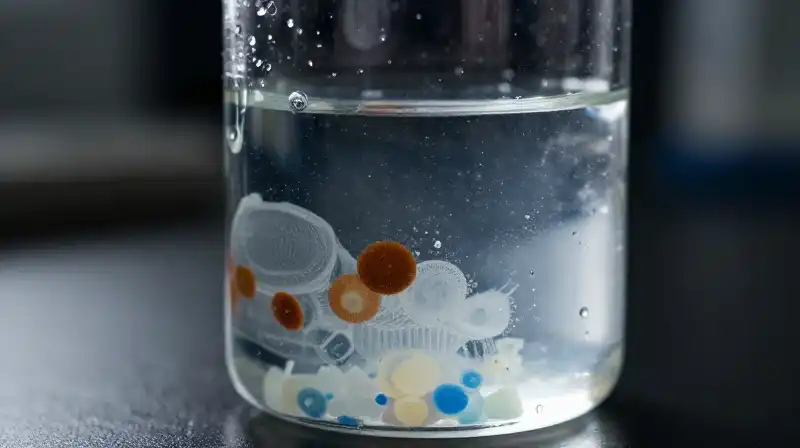
It is crucial to distinguish between “melting” and “dissolving.” When people say acetone “melts” plastic, they often mean it softens or degrades the surface dramatically, but the true mechanism is chemical dissolution. Acetone is a strong organic solvent. When it comes into contact with plastic, it penetrates the material and begins to break down the polymer chains that hold the plastic together.
The result of this breakdown determines the appearance of the plastic. For certain types, the result is immediate failure (liquefaction). For others, it is a gradual change in clarity, causing a hazy film or micro-cracking as the solvent attacks the surface without immediately dissolving the entire object. The effectiveness and speed of this attack are entirely dependent on the molecular structure of the plastic polymer.
Plastics Highly Vulnerable to Acetone Exposure
Certain polymers share structural similarities with acetone or are known to be soluble in strong ketones, making them highly susceptible to attack. If your item is made from these materials, using acetone carries a high risk of permanent damage.
| Plastic Type | Vulnerability | Common Appearance of Damage |
|---|---|---|
| ABS (Acrylonitrile Butadiene Styrene) | High | Softening, surface tackiness, eventual dissolution. |
| PVC (Polyvinyl Chloride) | Medium to High | Brittleness, cracking, and surface erosion. |
| Polystyrene (e.g., Styrofoam) | High | Immediate dissolution, becoming a mush-like, sticky substance. |
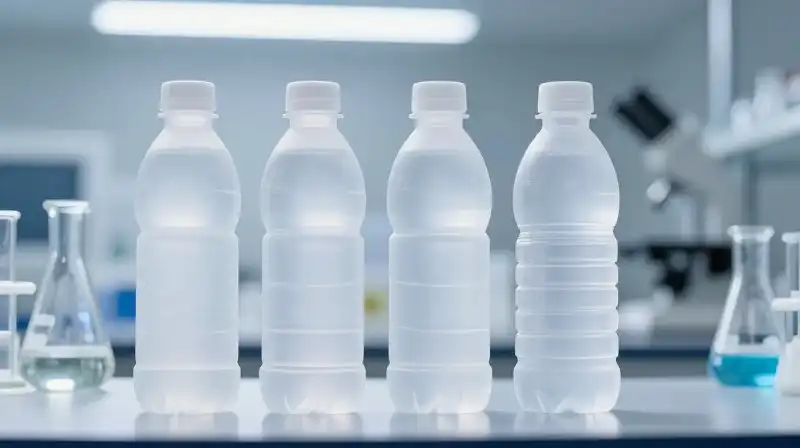
| PET (Polyethylene Terephthalate) | High | Hazing, cloudiness, and structural weakening, especially when exposed repeatedly. |
| Some Clear Plastics | Varies | Developing haze, fogging, or internal stress cracks. |
Plastics Generally Resistant to Acetone
If the plastic has a structure that does not readily react with the solvent, it will remain stable and resistant. These types of plastics are generally safe for use with acetone, provided the exposure is not prolonged or in extremely high concentrations.
These stable polymers typically include:
- HDPE (High-Density Polyethylene): Generally resistant to chemical attack and softening.
- Polypropylene: Known for its robust chemical resistance.
- Teflon (PTFE): Highly chemically inert, offering excellent resistance to most common solvents.
- Certain Polycarbonate Varieties: These often exhibit better solvent resistance than PET.
Addressing Specific Cleaning and Residue Issues
Acetone is often used for its ability to break down certain residues, particularly paint and label adhesives. However, if you are concerned about removing labels or cleaning up residue after acetone has already been used, different solvents and methods are better suited for reversal and cleanup.
Alternatives to Acetone
For many plastic cleaning tasks, using a less aggressive alternative is the safest approach:
- Isopropyl Alcohol (IPA): Often recommended for removing plastic labels or general surface cleaning, as it is generally less aggressive and safer for many polymers than acetone.
- Mineral Spirits: Effective for removing specific substances, such as certain enamel paints or heavy greasy residues, without the strong solvent action of acetone.
Recovering from Acetone Damage
If a plastic item has been exposed to acetone and the damage is merely cosmetic (e.g., haziness or light cloudiness), specialized treatments can sometimes offer minor improvement. High-quality plastic polishing compounds or specialized headlight restorers are designed to restore surface clarity. However, if the acetone has chemically dissolved or degraded the structure of the polymer, the change is considered permanent, and covering the damaged area or replacing the item is the only true solution.
Safety Protocols and Practical Application Criteria
Given the variable nature of plastic composition and the permanence of solvent damage, following stringent safety and testing protocols is essential.
The Crucial Test
Never apply acetone widely to an unknown plastic item. Before any widespread use, always test acetone on a small, inconspicuous area. This test helps you determine if the plastic is susceptible, preventing costly or irreparable damage to the main item.
Health and Usage Limits
It is vital to never use acetone on plastic items intended for food or drink consumption. Acetone is a chemical solvent, and its presence, or the breakdown products of the plastic released by the solvent, can pose serious health risks. Always ensure food-grade plastic is used and verify its safety for cleaning agents.
Summary of Decision Criteria
To determine if acetone is the right choice for a given plastic, follow these steps:
- Identify the Polymer: Determine the specific plastic type (e.g., HDPE, PVC, ABS).
- Check for Vulnerability: Cross-reference that type against known acetone-reactive polymers (Polystyrene, PET, ABS).
- Perform a Spot Test: Apply a small amount of acetone to an unseen spot. Observe the reaction time and nature of the change (dissolving, softening, or none).
- Consider the Alternative: If the test shows even slight reaction, opt for a milder solvent like IPA or mineral spirits instead, especially if the item is critical or food-related.
Frequently Asked Questions
What kind of plastic will acetone not melt?
Acetone is generally resistant to stable polymers including HDPE (High-Density Polyethylene), Polypropylene, Teflon (PTFE), and certain Polycarbonate Varieties. These plastics have a structure that does not readily react with the solvent.
How to safely assess if acetone will dissolve a plastic item
Identify the Polymer
Determine the specific plastic type (e.g., HDPE, PVC, ABS).
Check for Vulnerability
Cross-reference that type against known acetone-reactive polymers (Polystyrene, PET, ABS).
Perform a Spot Test
Apply a small amount of acetone to an unseen spot. Observe the reaction time and nature of the change (dissolving, softening, or none).
Consider the Alternative
If the test shows even slight reaction, opt for a milder solvent like IPA or mineral spirits instead, especially if the item is critical or food-related.
Related Articles