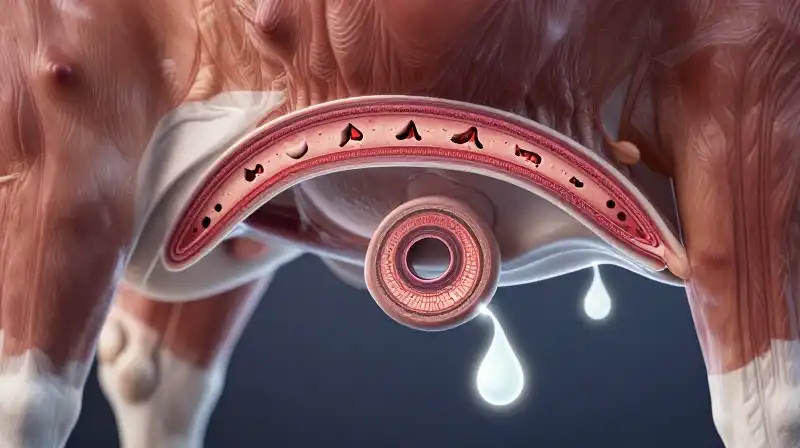
Why Massage Feels Good: The Science of Relaxation and Relief

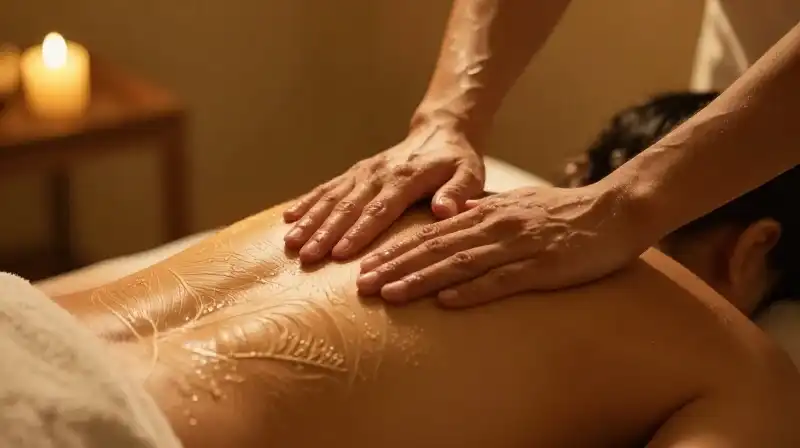
Introduction
The sensation of relief and well-being following a massage is a highly complex process that occurs across multiple levels—from the deepest layers of muscle fiber to the most sensitive regions of the brain. Massage does not merely “feel nice”; it triggers a deliberate cascade of neurological and physiological events. The profound sensation of a good massage is rooted in how the body interprets unexpected, sustained external touch, combined with the specific release of stress hormones and the physical realignment of tense tissues. Ultimately, the feeling of relief you experience is the body entering a state of deliberate, controlled rest, moving beyond typical recovery.
The Neuroscience of Touch: External vs. Self-Touch
One of the primary reasons massage feels distinct from rubbing your own muscles is the unique way your brain processes external sensory input. When you touch yourself, your brain is highly attuned to filter or inhibit those signals, as the purpose of that touch is usually functional (e.g., fixing a shirt or rubbing a sore spot). This constant self-monitoring and expectation keeps the brain in a state of mild alertness. External, unexpected touch, however, registers as an event that is neither expected nor controlled by the recipient. This lack of control, paired with the focused pressure, amplifies the sensory signals, making the relief feel deeper and more profound.
Furthermore, the brain processes self-generated signals differently than external stimuli. Receiving a massage allows the recipient to fully “let go”—a physiological state of passive relaxation that is inherently hindered when you are actively engaged in self-massage. A therapist’s precise, multi-directional force signals to the nervous system that the environment is safe and that it is time to inhibit the stress response.
Hormones, Stress, and the Physiology of Relaxation
The physical benefits are driven by a chemical shift within the body. Human contact during professional massage triggers the production of specific hormones and neurotransmitters that act as natural mood boosters and pain suppressors. The most significant of these shifts involves the reduction of stress hormones, particularly cortisol and adrenaline. By lowering the sustained output of these alarm chemicals, the body moves from a sympathetic nervous system state (fight or flight) to a parasympathetic state (rest and digest).
- Cortisol and Adrenaline: Decreasing these hormones helps dampen chronic anxiety and muscle guarding.
- Endorphins: Massage stimulates the release of these endogenous opioids, which function as natural pain relievers, contributing to a sense of euphoria.
- Serotonin: Aromatherapy used in conjunction with massage can encourage the production of calming neurotransmitters, elevating the body’s overall sense of well-being.
Deep Tissue Work: Addressing the Root of Tension
To understand why some massages feel so impactful, it helps to look beyond simple surface relaxation and consider deep tissue application. Classic massage often provides general stress relief, but deep tissue massage is a targeted therapeutic approach designed to address physical dysfunction. Deep tissue techniques use slow, sustained strokes and intense, direct pressure to target deeper muscle layers that are often inaccessible during self-application.
The primary target of deep tissue therapy is often adhesions—rigid, tight tissue bands that block optimal blood flow and contribute to chronic pain and inflammation. By systematically applying pressure, the therapist helps break down these adhesions. This physical manipulation allows the muscle to move with greater ease and facilitates the efficient movement of waste products, improving overall circulation and accelerating muscle repair, especially after rigorous exercise.
Comparing Self-Massage vs. Professional Massage
The limitations of self-massage are primarily mechanical and neurological. When you attempt to massage a tight area, you often have to actively engage your own muscles to create pressure. This active engagement can counter the very goal of relaxation, maintaining the tension instead of releasing it. Furthermore, it is nearly impossible to replicate a therapist’s sustained, focused pressure needed to reach true deep-tissue knots, particularly in difficult areas like the spine or specific shoulder muscles.
Here is a comparison of why professional application often yields greater benefits:
| Feature | Self-Massage | Professional Massage |
|---|---|---|
| Pressure | Variable; limited by self-control | Sustained and precise; tailored to tissue needs |
| Depth | Limited to superficial layers | Reaches deep-tissue adhesions (knots) |
| Result | Active work; muscle engagement | Passive release; nervous system downregulation |
Answering Common Massage Questions
Why do massages make you feel tired?
The fatigue experienced after a deep massage is usually a positive indicator of systemic relaxation. This sensation is tied to the body’s shift into the parasympathetic state. As stress hormones like adrenaline drop and the nervous system slows down, the body enters a state of profound repose. This transition, combined with the cellular activity involved in flushing metabolic waste and the chemical shifts toward calmness, can naturally induce feelings of drowsiness and deep relaxation.
Why do massages hurt?
While most massages are intended to feel pleasurable, the initial intensity of deep tissue work may involve discomfort. This is not necessarily pain, but often the sensation of pressure necessary to break down “adhesions” or highly tense fascia. For chronic tension or knots, the sensation of deep release—where the built-up rigidity finally gives way—can register as discomfort. This brief, controlled discomfort is part of the physical process of allowing the tissue to let go.
Why do massages feel so good on sore muscles?
On sore muscles, massage acts as both a physical mechanic and a hormonal trigger. Physically, it increases localized blood flow and accelerates the removal of inflammatory metabolic byproducts that contribute to the pain. Neurologically, the combination of external touch and the release of endorphins acts as an immediate “relief signal” to the brain, overriding the pain signals and replacing them with a sensation of soothing physical release.
Practical Considerations and Benefits of Consistent Therapy
The benefits of consistent massage extend beyond the immediate session. Regular therapy aids in physical injury recovery, reduces overall chronic muscle tension, and has been shown to improve metrics like blood pressure and circulation. If you are considering massage, choosing a therapist who understands the difference between general relaxation techniques and highly targeted deep tissue work is crucial for meeting specific goals (e.g., addressing chronic stiffness versus pure stress reduction).
Ultimately, the “good” feeling of a massage is a multifaceted reward: it is the relief of physical pressure, the safety of controlled human contact, and the measurable shift in your body’s internal chemistry as it enters a true state of rest.
Related Articles