
Do Horses Need Horseshoes? Understanding the Pros, Cons, and Purpose

Introduction
The simple question of whether horses need horseshoes does not allow for a blanket “yes” or “no” answer. The requirement for shoeings is entirely dependent on individual circumstances, encompassing the type of work the horse performs, the environment it lives in, and the inherent health and structure of its hooves. While horses are naturally equipped with tough keratin structures that protect them, modern life, intense athletic demands, and environmental changes have introduced stresses that often necessitate man-made protection. Ultimately, the decision to shoe a horse or keep it barefoot requires careful evaluation of both the horse’s specific needs and the ground it travels on.
Why Horseshoes Are Used: Protection and Support
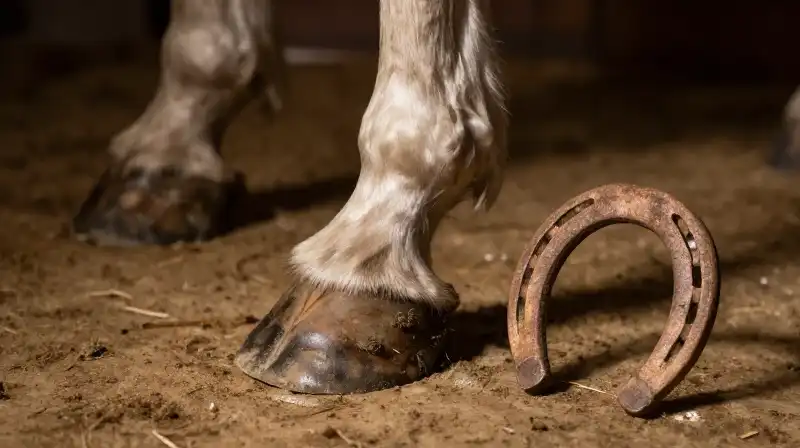
The primary purpose of a horseshoe is functional: to extend the protective capabilities of the hoof itself. Horseshoes are essentially U-shaped protective plates designed to prevent excessive wear, provide traction, and reinforce the sensitive parts of the hoof from damage.
Environmental Stress and Surface Types
For domesticated horses, the shift from walking primarily on soft grass to traversing hard, uneven surfaces like asphalt, concrete, or rocky terrain is a major factor. These hard surfaces accelerate the wear on the sensitive areas of the hoof, particularly the frog and the sensitive sole. Horseshoes provide a durable shield against these abrasive forces. Furthermore, in commercial or intensive environments, shoes are used to maintain a consistent gait and prevent “abnormal wear” that wild horses, who typically navigate natural landscapes, do not encounter to the same degree.
Enhancing Performance and Grip
Beyond simple protection, shoeings often serve a performance-related role. In competitive sports—such as jumping or racing—horses require optimal traction and support. Lightweight materials, such as specialized aluminum or steel, are used to provide necessary grip on slippery or demanding surfaces. Additionally, specialized shoeings can be used for flat work in arenas to provide reliable purchase in sand.
The Barefoot Alternative: When Natural Care is Preferred
Many veterinarians and practitioners advocate for barefoot care, arguing that the natural state of the horse is highly functional. For certain breeds and horses with strong genetic hoof health, wearing shoes may not be necessary, and keeping a hoof barefoot can be a healthy, cost-effective option.
Pros and Cons of Going Barefoot
* **Pros:** A barefoot horse maintains a connection with its environment, allowing its natural hoof expansion and contraction to occur without mechanical restriction. It avoids the long-term risks associated with wearing improperly fitted metal plates. * **Cons:** Without the reinforcement of a shoe, barefoot horses are more susceptible to certain injuries when encountering hard or sharply angled objects, such as stone bruising. They require vigilant, frequent trimming by a professional to maintain proper balance and prevent overgrowth.
When Shoeings Are Essential for Horse Health and Safety
While some horses thrive without shoes, specific conditions and tasks make horse shoeings a necessity.
Medical and Corrective Needs
Horseshoes are not just for environmental protection; they can serve as medical equipment. Corrective farriery, performed by a specialist, can address gait issues, balance problems, or structural anomalies. They are often used for horses managing chronic conditions like laminitis (a sensitivity in the hoof wall) or arthritis, where the specific design and material of the shoe provides stability and reduces undue pressure on sensitive areas.
Intensive Work and Training
For horses engaged in heavy loads or extremely high-impact activities—such as racehorses or working animals—shoes provide the necessary durability. The primary function here is load-bearing: the shoe distributes the intense pressure of movement across a larger, more resistant surface, preventing the hoof wall from deteriorating prematurely.
The Role of the Farrier: A Professional Craft
The success of either a barefoot or a shod life for a horse depends heavily on expert maintenance. Farriers are the skilled professionals responsible for making, fitting, and maintaining the hooves.
Shoeing Requirements and Materials
Professional shoeings involve more than just attaching a plate; they require precise preparation. A farrier first trims the insensitive parts of the hoof to the desired length, then selects and applies the shoe. * **Steel:** Typically preferred for strong, long-wearing sports where maximum durability is needed. * **Aluminum:** Valued for its light weight, making it the common choice for high-speed events like racing or dressage. * **Resetting:** Horses generally require their shoes to be reset every six weeks, or as dictated by the intensity of their work and the rate of wear.
Decision Criteria: Should Your Horse Be Shod or Barefoot?
To determine if your horse needs horseshoes, evaluate the following factors rather than relying on general advice:
- Ground Condition: Does the horse routinely work on hard, uneven, or abrasive surfaces?
- Work Intensity: Does the horse engage in high-impact activities, heavy loads, or intense, prolonged exercise?
- Hoof Health: Is the horse’s hoof structure strong, well-balanced, and free of underlying genetic or medical issues?
- Goal: Is the primary goal maximum longevity and cost-efficiency (Barefoot) or performance and protection in demanding conditions (Shod)?
Final Considerations for Long-Term Foot Health
The debate over horseshoes ultimately centers on risk management. While shoes add durability and strength, they also introduce costs and the critical risk of injury if they are not fitted precisely. Whether a horse wears shoes or not, diligent and regular hoof trimming is non-negotiable for optimal health. For any equine, working with a professional farrier ensures that the “equipment” applied—whether it is a thin plate of steel or a perfectly shaped natural hoof—is tailored to the individual animal’s unique needs.
Frequently Asked Questions
Are horses supposed to wear shoes?
The decision of whether horses need horseshoes does not have a blanket answer and is entirely dependent on individual circumstances, including the type of work, the environment, and the inherent health and structure of the hooves. While some horses can be successfully kept barefoot, shoeings are necessary for intensive work, hard surfaces, or specific medical conditions.
How to Shoe a Horse
Trim the Hoof
A farrier trims the insensitive parts of the hoof to the desired length as part of the preparation process.
Select Shoe Material
Choose the appropriate shoe material, such as steel for maximum durability or aluminum for lighter weight applications.
Apply the Shoe
Select and apply the chosen shoe to the hoof according to professional farriery standards.
Related Articles